Magnetic Perfume Caps: How to Balance Luxury Feel, Fit, and Refillable Packaging

Magnetic Perfume Caps: How to Balance Luxury Feel, Fit, and Refillable Packaging

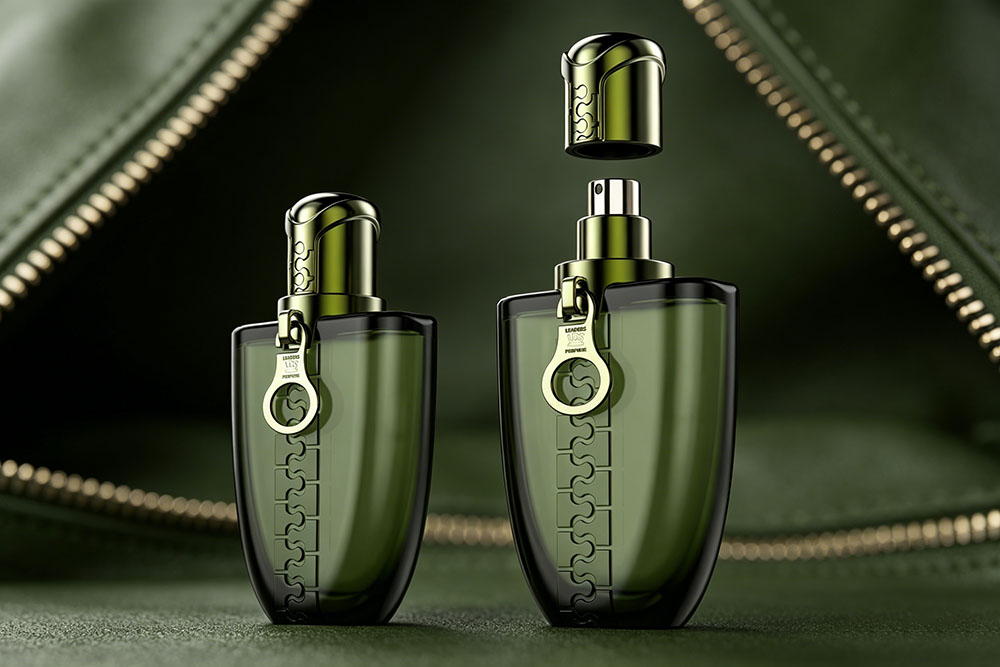
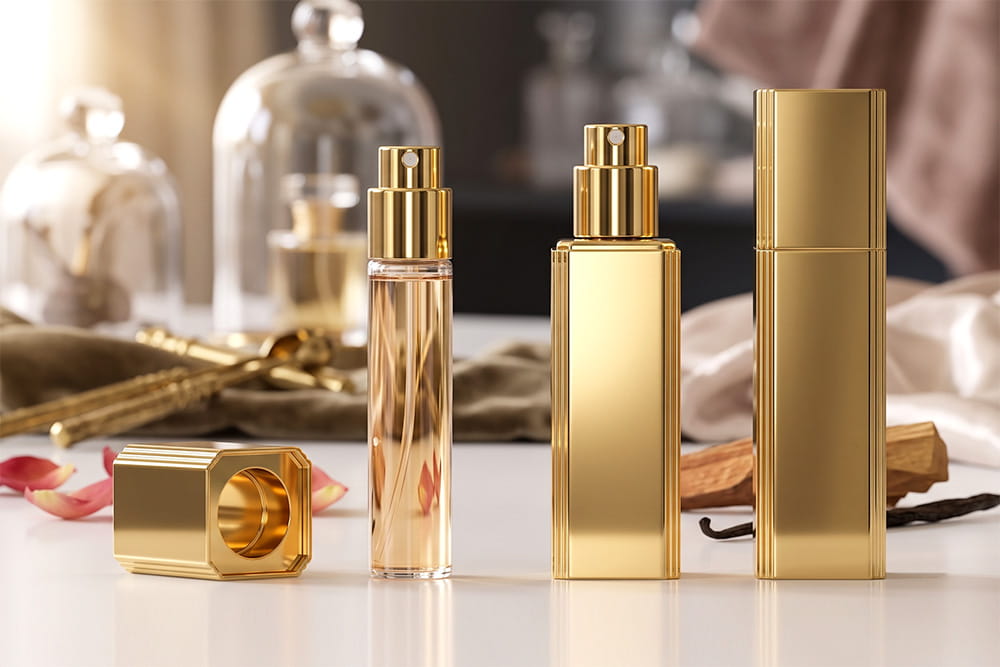
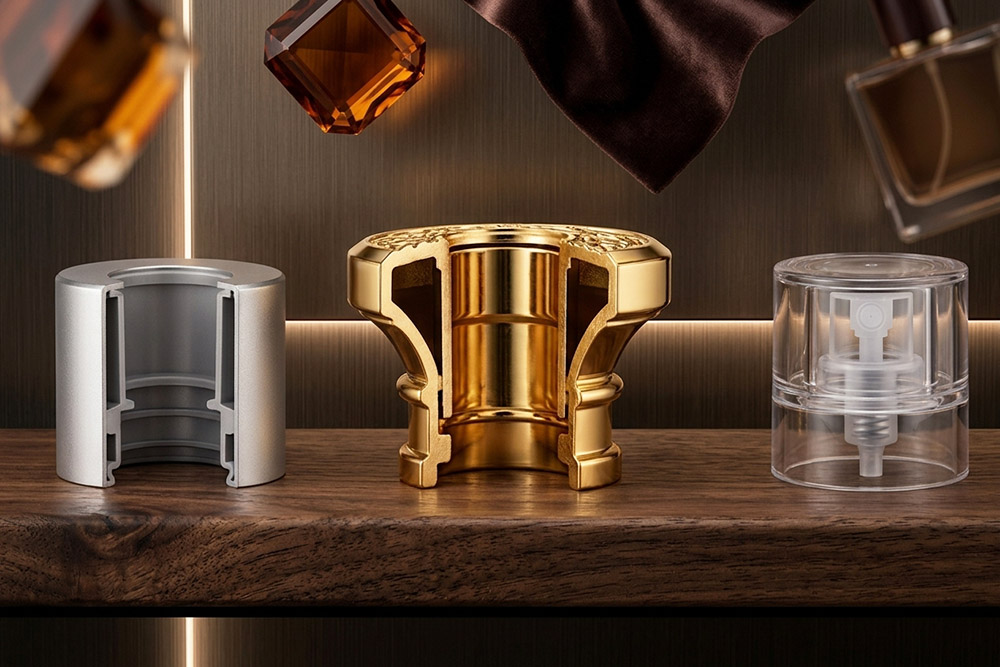
Magnetic Perfume Caps: How to Balance Luxury Feel, Fit, and Refillable Packaging Magnetic perfume caps can add a touch of luxury to perfume packaging. They make the bottle easier to use every day. When the magnetic closure is built into the design of the bottle not just added on as a decoration it feels more thoughtful and special. People remember that kind of detail. The best magnetic perfume caps have an inner fit. They’re balanced in weight so they don’t feel heavy or light. The pull is smooth and controlled.. The finish matches the scent’s personality. Whether it’s bold soft, modern or classic. That’s what makes the whole experience feel more complete. For fragrance brands, the cap is a fusion of material, mechanics, and visual identification. LEADERS creates custom perfume caps as well as Zamac packaging parts and travel sizes as a coherent packaging system. Why Magnetic Perfume Caps Matter in Modern Fragrance Packaging Luxury Is Now a Tactile Experience Perfume caps are often the first part of a fragrance that customers notice before they read the packaging. The sound, resistance, weight, and alignment of the closure all influence the first impression of a product, and a magnetic cap closure creates a clean close and reopens cleanly. The magnet, inner structure, bottle neck, and outer shell of the cap all need to work together to create this experience. Magnetic perfume caps are more than a high-end finishing device. They can also support a repeated user experience, protect the sprayer between applications of perfume, and create a clear closure for a fragrance line. However, the design has to be developed with due consideration of several practical aspects, e.g., opening force, cap stability, surface wear, transport protection. Engineer the Cap Around Bottle Fit Match the Inner Structure to the Bottle Neck First, develop the bottle drawing including the neck dimensions, collar relationship to the bottle body, sprayer position, and overall dimensions to accommodate the inner insert. The inner insert could be of PP or plastic to provide alignment and grip, and be covered by an outer Zamac shell to form the visible outer component that provides the user with a good handfeel. This same principle applies to bottles that are fitted with a crimped pump or an FEA-style neck. The cap must clear the actuator, sit adequately on the bottle’s collar, and remain steady when opening and closing the bottle again and again. A prototype will reveal minor problems with the dimensions, wobble, edge contact, and opening resistance prior to tooling and finishing the molds. Balance Weight, Pull, and Daily Handling Although weight is often a reason for choosing Zamac for luxury packaging, more weight is not necessarily better. While a heavy cap on a display bottle can underpin the message of substance, a lighter design will be more suitable for travel sizes or products that will be constantly carried by customers. The choice will depend on bottle size, customer use, package protection during transport, and the price position of the product. In addition to measuring the magnetic force in numbers, the use of the cap also needs to be tested. The cap must be attracted strongly enough in order to close properly, but not so strongly that it is difficult to remove from the bottle. The opening and closing, the correct alignment, the use again and again, the safety of the print, and the feel of the cap when put back on the bottle are all factors to be tested. Choose the Right Material Direction When Zamac Creates a Premium Hand Feel The Zamac perfume cap is suitable for creating sculptural shapes with clear-cut lines and recesses. It can be lacquered in colors such as gold, silver, black, chrome, gunmetal, bronze, or any other required color and finished with a polished, rough, brushed, or vintage surface. This way, the perfume cap becomes the representative for a niche or luxury fragrance. When Aluminum, Plastic, or Wood Fits Better Instead of Zamac, Aluminum could be lighter, Plastic could be simpler in shape and color, and wooden caps could be warmer/natural in character to the fragrance. Resin/Plastic Caps would also be suitable for round and very colorful designs where metal would make the product look too formal. Choose the material that supports your brand story and the way your product will be used. Examine the complete cap, including the inner component, decorative features, surface finish, and packaging requirements. In evaluating different materials, compare them in their fully assembled form, as opposed to selecting a material based on the attractive raw appearance of a single sample. Extend the Design to Refillable Travel Formats Use Magnetic Travel Spray Cases for Daily Carry A full-size bottle has display value, but a refillable perfume atomizer is something you can carry with you every day to work, in the evening, in your handbag, etc. So the portable format becomes part of the brand experience and not just a small promotional item. A magnetic travel spray case can recreate the main package’s closure, color, metallic finish, and/or logo in a small travel case. The travel spray formats of LEADERS fragrances are available in 8 ml and 10 ml versions. The travel spray case consists of various parts like a Zamac tube, PU leather, a glass bottle, and a screw pump sprayer. Information about these details is useful when the travel item is meant to be durable, to be refilled, and to be connected to the main fragrance in a nice way. Keep Full-Size and Portable Packaging Visually Connected As the travel-size format does not have to be a mini version of the full-size bottle, a relationship between both formats is sufficient. A shared cap color, identical logo, same leather structure, same metallic color, or even a magnetic closure is enough to clearly recognize both items as part of the same fragrance family. The use of a Zamac rich hero bottle and a more compact travel spray formulation is highly effective for discovery sets and gift packaging. By using visual cues within the set, the set as a whole can look highly considered, and the customer can clearly see the function of each product within the set. Coordinate Finishes and Brand Details Use Surface Treatment as Part of the Structure Finishes such as electroplating, painting, brushing, polishing, and vintage effects not only change color but also affect how the edges, recesses, logos, and other decorative elements are perceived under different lighting conditions. A finish board or physical reference should establish the boundaries for acceptable gloss, color, and texture, as well as the contrast of logos and visible surface areas before production approval. Logo placement also should follow the cap geometry. Whether you’re using embossing, debossing, laser marking, color filling, or decorative crystals, each of these techniques requires a certain surface area and a fixed position. Your branding should be readable and not look like some printed label that was stuck to some random object. Review Samples Before Finalizing the Production Standard Check a development sample on the real bottle. Check fit, opening and closing, cap alignment, finish, logo and print position and security, and any marks to the surface. For magnetic closures, check whether the cap goes to the correct position easily or if it needs to be forced. The LEADERS custom perfume cap range is a tool to explore different materials, surface finishes, inner structures, decoration techniques, and fragrance components. A useful review of a complete product. Conclusion A magnetic perfume cap is at its best when design and daily use are optimally aligned. Therefore, the closure must match the bottle neck, the inner insert, the weight target, the design, the surface finish, and the portable fragrance concept. If all these requirements are optimally coordinated, the magnetic cap becomes a bigger part of the overall concept of a fragrance and even reinforces the link between the full-size version and the refillable version. For brands developing a distinctive fragrance line, explore LEADERS solutions for custom perfume caps, Zamac packaging, and refillable travel spray formats. FAQ Q: What makes magnetic perfume caps suitable for luxury fragrance packaging? Magnetic perfume caps can be opened and closed in a controlled way. They can add a premium feel to the packaging and create a special user experience. The performance of magnetic perfume caps is determined by several factors, including the bottle neck, inner structure of the bottle, the magnetic force, the weight of the cap, and the surface finish. Q: How should a magnetic Zamac perfume cap fit a perfume bottle? A: Start with a bottle neck drawing including the collar and sprayer with the required clearance between the components. The inner component should be designed so that the cap fits without any wobble. The outer Zamac shell gives the necessary weight and looks. Check the cap on the real bottle for correct alignment, opening force, closing action, and long-term stability. Q: Can magnetic caps be used with refillable travel perfume sprays? A: Yes, a magnetic cap can be used for portable fragrances if the case, vial, pump, and closure are assembled as one single unit. LEADERS Travel Spray is available in 8ml and 10ml sizes. It must also be possible to refill the portable packaging; it must offer protection, be suitable for handling, and have the same appearance as the larger bottle.
How to Choose a Refillable Perfume Bottle for Travel Spray Packaging

How to Choose a Refillable Perfume Bottle for Travel Spray Packaging

A refillable perfume bottle is the strongest choice for travel spray packaging when it combines a manageable capacity, a secure closure, a consistent fine mist, and a finish that feels right for the fragrance brand. The best format is easy to carry, simple to refill, and attractive enough to work as both a daily touch-up product and a small gift. For brands, the decision is not only about making a smaller version of a full-size bottle. A portable fragrance bottle has to survive movement in a handbag or suitcase, present the scent clearly at a counter or in a discovery set, and create a reliable user ritual each time the cap is removed. Why Travel Spray Packaging Needs a Different Brief A full-size perfume bottle is often designed to stay on a dresser, where its silhouette and decorative details can carry much of the presentation. A travel spray is handled more frequently and stored in tighter spaces, so proportions, grip, closure behavior, and surface durability become part of the product experience. The format also changes the way customers use fragrance. A portable atomizer can support a midday refresh, a weekend trip, a business bag, a discovery kit, or a premium gift set. The packaging should therefore feel compact without becoming disposable, and practical without losing the visual character of the main collection. How to Choose a Refillable Perfume Bottle Start with the Use Case and Capacity When considering how to choose a refillable perfume bottle for travel, begin with the moment when it will be used. An 8 ml format can suit a compact discovery set or a short trip, while a 10 ml format can give daily users more room for repeated touch-ups. LEADERS presents magnetic travel spray options in 8 ml and 10 ml formats on selected products, giving designers a clear starting point for range planning. Volume to be filled should be taken together with the bottle outline. A slim cylinder can easily be slipped into a tiny pouch, while a square or diamond shape can more easily attract attention on a shelf. The appropriate option depends on the existing bottle geometry for the brand, the space available in the gift box, and whether the travel item is available for sale individually or as a set. Evaluate the Closure and Spray Experience A refillable perfume atomizer should open with a controlled, repeatable action and close with enough confidence for daily movement. Magnetic perfume cap designs can make that action feel more deliberate, but the magnetic feature should be judged as part of the complete closure system rather than as a decorative detail alone. The spray also matters. A compact bottle is more satisfying when it produces a fine, even mist and keeps the application easy to control. Selected LEADERS travel spray descriptions combine refillable use with magnetic caps, while the square magnetic travel spray is described with a premium aluminum shell, magnetic cap, and leak-proof design. These details apply to the specified product description, not automatically to every travel spray format. Match Material, Finish, and Tactile Direction Material selection shapes how a portable fragrance bottle is perceived before the scent is even applied. Metal can create a cooler, more structured impression, while a textured or leather-like outer treatment can make a travel case feel softer and more personal. The finish should be chosen alongside the full-size bottle, cap, carton, and gift presentation so that the smaller format reads as part of the same fragrance family. Colour also matters – a travel format is usually held in close proximity to the eyes. A sophisticated silver, black, or champagne finish can complement a subtle collection, while a bolder color can differentiate scent versions in a discovery pack. Travel spray packaging can be customized and it looks best when color, finish and closure components repeat with enough rigor as to carry your identity throughout the line. Where LEADERS Travel Spray Packaging Fits The LEADERS travel spray case collection includes several formats intended for portable fragrance presentation, including a Magnetic 8 ml Travel Spray, a Rhombus Magnetic Travel Spray in 8 ml and 10 ml, an 8 ml Magnetic Travel Spray Atomizer, and an Exclusive Travel Spray Atomizer. This range gives brands room to compare a compact everyday format with a more distinctive shape. The product also points to several practical applications: travel, daily fragrance touch-ups, business gifts, and premium presentation. That mix matters because a travel spray often serves more than one channel. It may appear in a retail discovery set, a hospitality gift, a seasonal box, or a direct-to-consumer bundle, so its appearance and handling need to remain convincing outside the main shelf display. Design the Refill Journey Around the Customer Refillability is valuable only when the customer understands and accepts the routine. The bottle should make it obvious where the fragrance is contained, how the spray head is protected, and how the cap returns to its correct position. Clear instructions can be placed in the carton or on the product page, while the physical design should keep the refill action calm and uncomplicated. For a fragrance brand, the refill journey is also a chance to extend the relationship beyond the first purchase. A portable fragrance bottle can encourage customers to carry a familiar scent into work, travel, dinners, and social occasions. When the outer case remains attractive after repeated handling, it feels more like a useful personal object than a temporary sample container. Build the Format into a Wider Packaging System The strongest travel spray programs are planned with the full packaging system rather than added at the end. Compare the bottle shoulder, cap height, label position, carton proportions, and color references before locking the portable case. This reduces the risk of a travel item that looks unrelated to the hero bottle or too generic for the brand’s price position. LEADERS can be considered when a fragrance brand needs to connect travel spray cases with other packaging components. Our product range also includes perfume bottles, Zamac perfume caps, aluminum perfume caps, plastic perfume caps, wooden perfume caps, candle lids, and bottle stoppers, allowing the design conversation to include the broader package rather than a single isolated part. Conclusion A refillable perfume bottle succeeds when portability, refillability, spray control, closure security, and visual identity work together. Choose the capacity around the real use case, test the cap and spray action with the actual fragrance, and treat the surface finish as part of the brand experience. For brands building a practical and polished travel format, LEADERS offers a range of travel spray and fragrance packaging directions to evaluate. Explore LEADERS perfume packaging options to connect a refillable perfume bottle with a more consistent fragrance presentation. FAQ Q: What makes a refillable perfume bottle suitable for travel? A: A suitable travel bottle balances a compact form with a secure cap, comfortable handling, and a reliable fine mist. Refillable use adds value when the refill process is clear and practical. Capacity, case shape, surface finish, and compatibility with the surrounding fragrance packaging should be reviewed together. Q: Is an 8 ml or 10 ml travel spray better? A: Neither size is universally better. An 8 ml format can work well for discovery sets, short trips, and compact bags, while 10 ml gives daily users more fragrance for repeated touch-ups. The choice should reflect the intended usage, gift-box space, and the visual proportion of the main bottle. Q: Does every LEADERS travel spray use a magnetic cap? A: No. Magnetic closure is described for selected LEADERS travel spray products, including magnetic 8 ml and 8 ml/10 ml options. Other formats should be reviewed in their own product description. Do not assume that the closure, shell material, or leak-proof design applies to every item in the range. Q: How can a travel spray match a full-size fragrance bottle? A: Match the most visible design cues first: color, cap finish, silhouette language, label proportion, and carton details. The travel format does not need to copy every feature of the hero bottle, but it should share enough visual signals to feel like the same fragrance family in a handbag, gift set, or retail display.
How Can Overseas Perfume Brands Efficiently Customize Zamak Perfume Caps through OEM/ODM?

How Can Overseas Perfume Brands Efficiently Customize Zamak Perfume Caps through OEM/ODM?

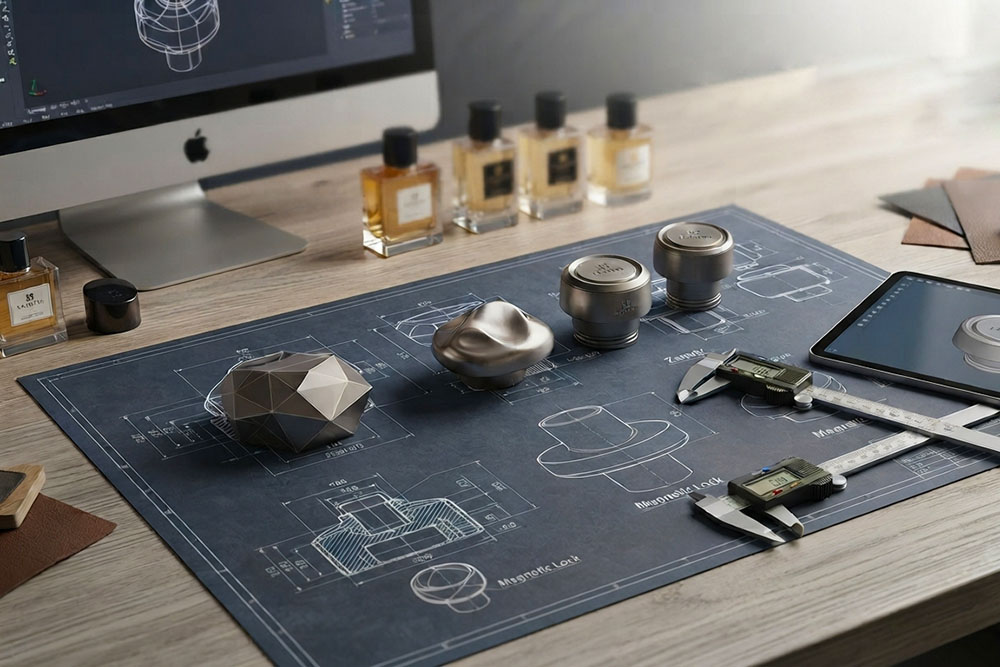
In todays competitive luxury fragrance market scent is definitely the most important part of a perfume but the bottle packaging is the most important thing that makes a customer fall in love at first sight. Among materials Zamak (zinc alloy) has become the favorite choice for independent niche brands and big international companies to create a feeling of luxury and build brand recognition. This is because of the high-quality feel, good plasticity and very smooth surface finishes. For perfume brands getting Zamak perfume caps made through OEM or ODM from other countries often causes problems like high communication costs long time to get samples and hard to control quality. How can brands finish the customization process in a quick and easy way? This article explains an effective step-by-step guide. I. Getting Ready: Clear Technical Details and Specific Needs The first step to making the process quick and easy is to have ” information.” Many overseas brands that look for suppliers only give a picture or a vague idea. This often leads to changes later and wastes a lot of time. 3D Drawings and Engineering Files (STEP/IGES Format): If the brand has its designers they should give 3D drawings that are accurate to the millimeter. Professional factories not look at the outside but also check the angles wall thickness (usually between 1.5mm and 2.5mm to stop shrinkage) and if the inside parts like snap-fit or magnets are made well. Core Details to Confirm: Weight: The important part of a Zamak cap is the “heavy feel ” so the weight must be given. Neck Size: Like standard FEA 15mm 18mm or special thread finishes. The brand must give samples of the perfume bottle or exact drawings of the neck to make sure the cap and bottle fit perfectly. Surface Finish: Decide if it is gold, matte gold, gunmetal, brushed bronze or a special PVD vacuum plating. II. Choosing Partners: Finding Factories with Full Production Capabilities Not every factory can make perfume caps. Perfume caps are part of quality consumer electronics and luxury items. There is little tolerance for any surface problems. Taking LEADERS (Dongguan Leaders Hardware Products Co., Ltd.) a factory with a lot of experience in making high-end perfume packaging as an example overseas brands should look at the following when choosing a supplier: Mold Making and Die-Casting Skills: Good factories have their mold workshops that can control temperature and pressure during die-casting to stop air bubbles or shrinkage in the zinc alloy. Production Chain: From mold design to die-casting then to carving, polishing, electroplating, assembly (like inner liners and magnets) and quality checks it is best if all these are done in the same factory or nearby. If electroplating is done elsewhere and not managed well it can cause color problems and delays. Communication and Project Management Experience: Good manufacturers like LEADERS have English skills and experience working with overseas brands. They give updates on the project, which makes the whole process go smoothly. III. Quick Way to Work Together: Four Steps from Samples to Mass Production To avoid the situation where the drawing’s perfect but the real product is not a standard way to check samples is important. 1. 3D Images and Making Models Before making the metal molds factories often make models from resin or wood-like materials using 3D printing or CNC machines. They might also make high-quality 3D images to let the brand check the size how it feels in hand and how it looks. At this stage changing things is almost free. 2. Making Molds and Checking the First Samples Once the 3D drawings are approved the factory starts making the Zamak molds (usually takes 15-20 days). When done the first batch of samples (T1 samples) is made. The brand should check: How the cap fits: Is it easy to take off? Does it feel good when it closes? Are there problems with it being too loose or scratching the bottle? Surface Issues: Are there holes, lines or places that were not polished well? 3. Electroplating and Checking the Look Because the color of the metal can change based on the temperature how it is placed and the mix of the alloy color differences in orders are common. Brands should create a “Color Standard” during the sample phase. Confirm it in writing or with sealed samples. This will be the standard they use when the product is made in amounts. 4. Sealing the Sample and Starting Mass Production Once both sides agree on the sample a sealed sample is signed and the factory can start making the product in large amounts. IV. Checking Quality and Shipping Rules: Must-Follow Standards During production overseas brands can use third-party inspection companies (like SGS or BV) or ask for detailed quality reports from the factory. Important things to check include: Salt Spray Test: For places with humidity and salt like the Middle East and coastal areas the Zamak electroplated layer must pass a 48 or 72-hour test to make sure it doesn’t rust or peel. Cross-Hatch Test: Checks how the electroplated layer sticks to the base material. Perfume Corrosion Test: The alcohol in perfume might damage the inside of the cap so the material (like PP or ABS) and the seal need to be good. Packaging Protection: The surface of Zamak caps is delicate. Can get scratched when they are moved. Using Pearl Cotton grids, moisture-proof paper and strong export boxes is a must. For perfume brands choosing a good and reliable factory to make Zamak perfume caps (like those in areas with established supply chains like Dongguan, China) saves a lot of trial and error money. It also gives a guarantee from the first idea to the final product. With details good sample checks and strict quality standards your perfume will shine with a special luxury look, on store shelves. Q1: What is Zamak and why use it for perfume caps? A: Zamak is a zinc alloy offering a heavy luxury feel, exceptional design plasticity, and superior electroplating finishes, making it the top choice for high-end perfume caps. Q2: How do you ensure a perfect bottle fit and plating durability? A: We precisely adjust inner liner tolerances (snap-fit or magnetic) to match your bottle neck. All products pass salt spray corrosion tests to ensure the electroplating remains durable and peel-resistant. Q3: What is the MOQ and lead time for custom Zamak caps? A:MOQ: Generally3 ,000 to 5,000 pieces.Lead Time: Tooling and sampling take 15–20 days; mass production takes 15–25 days.
Sculpting Identity: How Niche Perfume Brands Leverage Bespoke Zamak Caps to Forge Super-Symbols

Sculpting Identity: How Niche Perfume Brands Leverage Bespoke Zamak Caps to Forge Super-Symbols

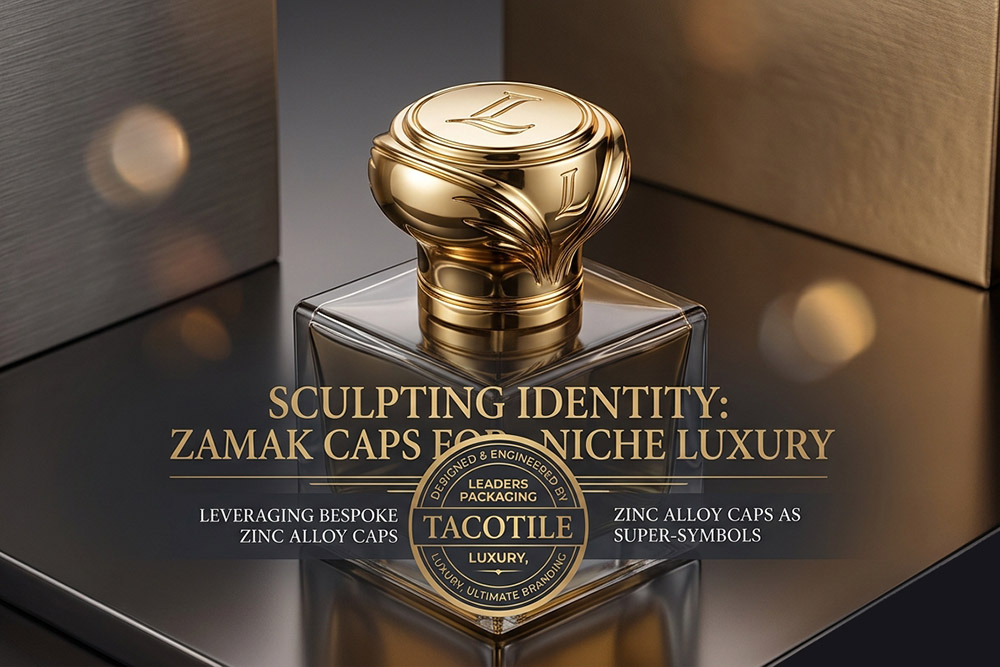
In the world of fancy perfume the smell is invisible but the box is loud. While regular perfumes use people and big ads small perfume companies need to catch peoples attention with how they look and the stories they tell through touch. The bottle cap sits at the point of the sensory engagement and the bottle cap is the literal crowning jewel of the fragrance bottle. Today, forward-thinking niche brands are turning away from generic plastic closure caps and adopting custom-molded Zamak (zinc alloy) caps as their ultimate “super-symbol.” 1. From Functional Closure to Brand Anchor A “super-symbol” is a visual cue that instantly communicates identity, heritage, and values without requiring words. Think of the crown-shaped closure on Royal Crown fragrances or Penhaligon’s portrait animal heads. Zamak – a combination of zinc, aluminum, magnesium and copper – provides an optimal mixture of fluidity for casting and density. Zamak caps provide “an immediate feel of solid luxury” as opposed to thin plastic or stiff aluminum. When a consumer grabs a bottle, the cold feel and weight of a zamak cap induces a psychological perception of high quality craftsmanship even before the spray mechanism is pushed. 2. Engineering Artistry: The Material Advantage of Zamak To transform a brand emblem into a physical masterpiece, the material must accommodate intricate engineering. Zamak stands out in luxury packaging due to several physical properties: Feature Zamak / Zinc Alloy Plastic (ABS / Surlyn) Aluminum Design Flexibility Exceptional fluid casting for complex 3D shapes Good for geometry, limited depth Primarily restricted to cylindrical stamping Hand-Feel & Weight Heavy, cool to touch (~6.7 g/cm³) Light (~1.0–1.2 g/cm³) Light-to-medium (~2.7 g/cm³) Surface Finishes PVD, electroplating (Gold, Gunmetal, Rose Gold) Spray painted or vacuum metalized Anodized Durability & Wear High impact strength, chip-resistant Prone to scratching over time Prone to denting By the use of high pressure die casting process, Zamak can be made to a sub-millimeter level of accuracy. Whether the design calls for organic curves, crisp geometric facets or complex anatomical elements, Zamak picks up micro-textures that stay crisp through polish and plating. 3. Multisensory Storytelling: Weight, Texture, and Sound Niche fragrance relies on emotional storytelling, and bespoke Zamak caps activate multiple senses at once: Visual Distinction: Clean lines of the bottle allow it to be instantly recognizable on a crowded boutique shelf or feed in social media. Tactile Resonance: The interplay of smoothglass and textured metal lends itself to a physical experience that will not be forgotten. Acoustic Satisfaction: Together with a magnetic insert, a heavy Zamak cap clicks firmly closing under a pleasant and rewarding “clack” – an audio cue that confirms a tight seal while bringing a bit of sophistication to the everyday. 4. Strategic ROI: Why Custom Molding Pays Off Custom tooling for a Zamak cap has initial costs, but the strategic benefits are significant: Sustained Brand Equity: A single glass bottle base can be used across an entire fragrance line, with individual collections distinguished by unique Zamak caps. Refillable Ecosystems: sustainable, refillable fragrance bottles are becoming standard, but the bottle cap is the permanent, collectible element that users hold on to for years. Higher Price Point: The tactile luxury experience directly supports higher retail prices in the niche market category ($200–$500+ per bottle). Final Summary In contemporary niche perfume, the fragrance narrates the story, but the Zamak cap seals the memory. By casting the zinc-aluminum alloy into custom sculptural pieces, fragrance brands turn a simple packaging element into a lasting symbol of luxury. Collaborating with seasoned custom packaging professionals such as Leaders Packaging enables niche labels to effortlessly combine high-precision Zamak engineering with artistic narrative, transforming imaginative ideas into physical super-symbols. Frequently Asked Questions (FAQ) Q1: Why should niche fragrance brands choose Leaders Packaging for custom Zamak perfume caps? A: Leaders Packaging has technical experience in luxury packaging. They offer solutions—from 3D concept design and mold making to high-pressure die-casting, electroplating and magnetic insert assembly. Their strict quality control ensures every Zamak cap meets luxury standards. The result is a surface finish and tight dimensional tolerances that look and feel premium. Q2: What is the typical Minimum Order Quantity (MOQ). Lead time for custom Zamak caps at Leaders Packaging? A: The standard MOQ for custom Zamak caps usually starts at 5,000 to 10,000 pieces. The exact number depends on how complex the mold and surface finish’re. Once the 3D drawing is approved sampling takes about 25 to 35 days. Mass production generally takes 35 to 45 days from order confirmation. Q3: How does Leaders Packaging ensure the electroplating finish on Zamak caps resists perfume corrosion? A: Perfume contains a lot of alcohol, which can damage low-quality metal plating. Leaders Packaging tests every electroplated and PVD-coated Zamak cap with quality checks. These include alcohol immersion tests, salt spray corrosion tests and cross-hatch adhesion tests. This ensures the caps resist tarnish, peeling and wear for a time even with frequent use. Q4: How do Leaders Packaging engineers solve tolerance mismatches between heavy Zamak caps and glass bottle necks? A: Glass bottles often have a tolerance of about ±0.5 mm but Zamak caps are made with very tight tolerances—down to ±0.05 mm. To fix this mismatch Leaders Packaging designs custom liners made from plastic or magnetic materials. Options include PP, POM or custom magnetic housings. These liners absorb differences, in size stop glass from scratching and give a smooth secure fit every time.
Redefining Fragrance Design: How Zinc Alloy Die Casting Elevates Perfume Caps to Sculptural Art

Redefining Fragrance Design: How Zinc Alloy Die Casting Elevates Perfume Caps to Sculptural Art

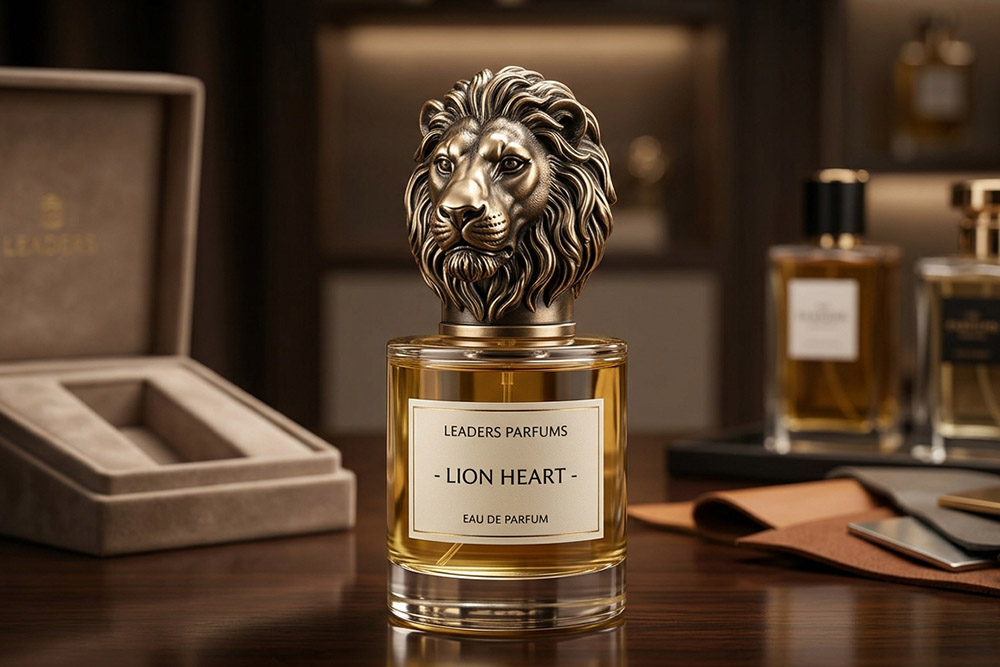
Within the world of luxury fragrance the first point of contact, between a brand and a consumer is not the scent itself. The bottle is the thing a luxury fragrance buyer sees. Specifically the weight, texture and visual impact of the perfume cap are what catch the eye of a luxury fragrance shopper. As haute parfumerie shifts toward storytelling and sensory experiences, traditional flat, geometric, or simple plastic caps no longer suffice. Enter Zinc Alloy (Zamak) die casting: the manufacturing solution enabling perfumers and packaging designers to push past the constraints of 2D aesthetics into the realm of intricate, sculptural 3D design. From hyper-detailed animal motifs and historical busts to surrealist fluid shapes, zinc alloy has changed what is structurally possible in luxury packaging. Here is how zinc alloy die casting turns functional perfume enclosures into museum-worthy sculptures. 1. High Fluidity and Precision: The Physics Behind Complex Geometries Making a three-dimensional sculpture demands a material that can perfectly copy designs while staying strong and intact. Aluminum has limits when it comes to casting shapes. Rigid plastics often result in surfaces and show mold lines.. Zinc alloys—especially Zamak 3 and Zamak 5—deliver outstanding fluid behavior when melted. Ultra-Low Viscosity: Molten zinc moves filling even the thinnest channels, deep areas and tight corners inside steel molds. Micro-Detail Reproduction: Whether its fur textures, sharp edges or delicate lace-like patterns, zinc alloy reproduces details as small as a fraction of a millimeter. High Dimensional Stability: As the metal cools it shrinks very little. This means designers can get fits for internal parts, like locking mechanisms without changing the shape of the outer sculpture. 2. Weight and Cold-Touch Tactility: The Psychology of Luxury Sculptural design is not about looking good; it is about feeling good. High-end customers link the weight and the temperature of an object to real value and high quality. Denso-Tactile Presence: Zinc alloy has a density to iron (~6.6 g/cm³) which means even small caps feel heavy and solid in your hand. The Metallic Cold-Touch: The quick cool feeling when you touch metal adds to a feeling of lasting quality and expert workmanship that lightweight plastics, like ABS or PP can’t create. When a customer holds a zinc alloy cap that is shaped like a lions head or a heavy faceted gem the weight of the object immediately tells them that the liquid inside is of a luxury level. 3. Advanced Surface Treatments: Bringing Sculptures to Life A sculpture depends a lot on light, shadow and finish to show sculpture depth. Zinc alloy is a base for electroplating and physical vapor deposition turning plain cast metal into metal art. Electroplating Versatility: Zamak caps can easily get -layer electroplating, such as 24K real gold, rose gold, gunmetal, shiny chrome and antique bronze. Polishing & Antiquing Techniques: Hand polishing can sharpen raised curves while antique washing brings out recesses and shadows adding depth to sculpted motifs. Dual-Finish Combinations: Designers can mix brushed or satin surfaces, with high-gloss polished accents on one cap to highlight specific artistic elements. 4. Case Studies: The Rise of Narrative Fragrance Caps The shift toward sculptural zinc alloy caps is evident across world-renowned niche and luxury fragrance houses: Animalia and Mythological Motifs: Iconic collections like Penhaligon’s Portraits series feature heavy, hand-finished zinc alloy animal heads (a stag, panther, hound, etc.) serving as character avatars for each scent. Organic and Fluidic Forms: Brands like House of Sillage utilize zinc alloy to cast intricate, jewel-encrusted crowns and whimsical figures that act as standalone display art. Architectural Structures: Complex lattice designs, filigree crowns, and heavy crests benefit from the strength of zinc alloy, ensuring slender metallic lines do not snap under daily use. 5. Overcoming Engineering Challenges: Combining Form and Function While zinc alloy unlocks artistic potential turning a 3D sculpture into a cap that can be made in large quantities needs careful engineering: Mold Design & Parting Lines: Skilled toolmakers place mold parting lines along natural curves or edges of the sculpture to hide the marks where the mold comes together. Internal Plastic Inserts (PP/POM): When alcohol-based perfume touches zinc it can cause oxidation over time. High-end caps include a hidden inner layer (using a snap-fit or ultrasonic welding) to keep the fragrance sealed and the metal looking good. Magnetic Closure Integration: High-density zinc alloy caps work well with neodymium magnets giving an self-aligning snap when placed on the atomizer pump. Conclusion: Zinc Alloy as the Catalyst for Next-Generation Packaging In todays fragrance marketing the cap is not a cover anymore—it is a strong visual statement, a brand symbol and a keepsake. Zinc alloy die casting has connected production with fine art letting designers make true 3D sculptures without losing strength or the ability to make them in large amounts. For luxury fragrance brands looking to stand out on crowded shelves, investing in custom zinc alloy cap tooling isn’t just a packaging decision; it is an investment in brand identity. Revised Paragraph For luxury fragrance brands looking to stand out on crowded shelves, investing in custom zinc alloy cap tooling with a specialized manufacturer like Leaders isn’t just a packaging decision; it is a strategic investment in brand identity and enduring craftsmanship. FAQ 1. Why should luxury fragrance brands choose a manufacturer like Leaders for their zinc alloy caps? Luxury fragrance brands need more than a cap—they need a statement. Leaders understands that in high-end perfume packaging the cap is not something that screws on. It is a hammer. It is a symbol of the brand. Leaders brings together the power of production and fine sculptural art. They specialize in zinc alloy die casting using Zamak to create caps that’re both precise and artistic. When brands work with Leaders they don’t just get a part. They get a precision, carefully engineered piece that supports long-term brand identity. These caps stand out on shelves because they feel and look like something truly special. 2. How does Leaders ensure the quality and luxury feel of their 3D sculptural zinc alloy caps? Leaders uses the materials to deliver a true luxury experience. They focus on Zamak 3 and Zamak 5 alloys known for their flow when molten. This low viscosity lets them fill every crevice of a mold—perfect for reproducing fine textures like velvet, lace or animal fur. The result is a level of detail that plastic just can’t match.. It’s not just about looks. Leaders also focuses on how the cap feels in the hand. They use the density of zinc alloy to give a solid heavy weight. This creates a cold-touch sensation that feels premium and valuable. Customers know they are holding something. It’s not light. It’s not flimsy. It’s luxurious. 3. What technical engineering solutions does Leaders provide to overcome the challenges of metal cap designs? Turning a sculptural design into something that can be made in large quantities is not easy. Leaders has the engineering expertise to solve these challenges. They start with seams. Their toolmakers place the mold parting lines along curves of the design so the lines are hidden and not visible to the customer. This means the cap looks seamless and refined. They also add inserts. These are made from materials like PP or POM. Are placed inside the cap. This protects the zinc alloy from the alcohol in the perfume preventing oxidation and damage.. For the ultimate luxury experience Leaders integrates magnetic closures. Their caps are built to hold neodymium magnets. This creates a smooth snap that aligns perfectly every time. It’s a detail that makes a big difference, in how the product feels and functions.
Plastic vs. Aluminum vs. Zinc Alloy (Zamac): Multi-Dimensional Comparison Guide for Perfume Caps

Plastic vs. Aluminum vs. Zinc Alloy (Zamac): Multi-Dimensional Comparison Guide for Perfume Caps

In perfume packaging design the cap is more than a functional part that keeps the spray pump safe and stops fragrance from leaking out; it acts as a main visual focus that shows the brand’s identity gives a touch of luxury and lets people feel the product’s worth. When a shopper lifts a perfume bottle the cap’s weight, how it. How it closes all work together to shape how valuable the perfume seems. Now the usual perfume cap materials on the market break down into three main groups: Plastic (for example PP, ABS, Surlyn) Aluminum and Zinc Alloy (Zamac). This guide is made for B2B brand owners, product designers and people who buy supplies. It looks closely at five areas: the properties of each material how each one is made how it looks and feels how much it costs and how good it is, for the planet. 1. Material Characteristics & Processing Techniques Plastic: Gives you a lot of freedom when designing. Polypropylene (PP) is strong against chemicals. Often used for inner liners. ABS works well for electroplating and spray coating. Surlyn resin is clear like crystal. Doesn’t break down from fragrances so it’s great for bold see-through designs. Injection molding is fast so it’s perfect for making lots of the product quickly. Aluminum: Light and not heavy aluminum caps are usually shaped by stamping, deep drawing or CNC machining. After shaping they go through an anodizing process to get color. These caps are often made as a shell (Aluminium Cap Shell). Need a PP liner inside. The result is a lightweight cap. Zinc Alloy (Zamac):Zamac alloys, like Zamac 3 or Zamac 5 flow well when melted and melt at a temperature. This makes them perfect for die-casting, with detail. The process lets you create 3D carvings raised brand logos and complex shapes all in one solid piece. 2. Multi-Dimensional Feature Comparison Comparison Dimension Plastic Aluminum Zinc Alloy (Zamac) Density & Tactile Feel Lightweight (Low density, basic feel) Light (Cool metallic touch, lacks weight) Heavyweight (High density, substantial luxury feel with a cold metallic touch) Design Complexity High (Injection molding enables diverse shapes) Medium (Best for cylindrical or simple geometric shapes) Exceptional (Precision die-casting for complex 3D relief and intricate details) Surface Finishing Electroplating, water transfer, painting (Prone to peeling) Anodizing, brushing, matte finishes (Durable coating) Multi-layer electroplating (Real gold, gunmetal, chrome), electrophoresis, polishing, inlaying Durability & Corrosion Resistance Prone to aging; chemical resistance depends on resin type Highly corrosion-resistant; anodized layer resists fading High strength, impact-resistant, with superior electroplated corrosion resistance Unit Cost Low Cost Mid-range High Premium Tooling & Lead Time Moderate tooling cost, fast molding Lower tooling cost, straightforward processing Higher initial tooling investment, multi-step manufacturing process 3. Visual & Tactile Experience Plastic: Feels warm to the touch and lightweight. Plastic without added weight inserts can easily give consumers a perception of lower-end product quality. Plastic without added weight inserts can easily give consumers a perception of lower-end product quality. Plastic without added weight inserts can easily give consumers a perception of lower-end product quality. Aluminum: Zinc Alloy (Zamac) delivers unmistakable luxury. Its inherent high density provides weight feedback. The weight feedback ranges from 50g to over 100g per cap. When paired with a closure Zinc Alloy (Zamac) produces a distinct satisfying “click.” The click enhances the users unboxing and daily application ritual. When paired with a closure Zinc Alloy (Zamac) produces a distinct satisfying “click.” The click enhances the users unboxing and daily application ritual. Zinc Alloy (Zamac): Delivers natural, unmistakable luxury. Its inherent high density provides substantial weight feedback (typically ranging from 50g to over 100g per cap). When paired with a magnetic closure, it produces a distinct, satisfying “click” that enhances the user’s unboxing and daily application ritual. 4. Environmental Sustainability (ESG) As global eco-friendly packaging standards evolve recyclability has become a factor in material selection. As global eco-friendly packaging standards evolve recyclability has become a factor in material selection Plastic: Composite or electroplated plastics are difficult to recycle and non-biodegradable. Plastic is facing increasing pushback and environmental taxes in markets like Europe. Composite or electroplated plastics are difficult to recycle and non-biodegradable. Plastic is facing increasing pushback and environmental taxes in markets like Europe. Aluminum: Aluminum is 100% infinitely recyclable. Aluminum requires energy during remelting. Aluminum is a choice for lightweight green packaging. Aluminum is 100% infinitely recyclable. Aluminum requires energy during remelting. Aluminum is a choice for lightweight green packaging. Zinc Alloy (Zamac): Zinc Alloy (Zamac) holds high metal recycling value. Zinc Alloy (Zamac) can be remelted repeatedly without degrading its properties. Thanks to its durability Zinc Alloy (Zamac) caps are ideal long-lasting components for refillable and reusable perfume bottles. Zinc Alloy (Zamac) holds high metal recycling value. Zinc Alloy (Zamac) can be remelted repeatedly without degrading its properties. Thanks to its durability Zinc Alloy (Zamac) caps are ideal long-lasting components, for refillable and reusable perfume bottles. Selection Recommendations for B2B Sourcing When you look at options, across your packaging supply chain match your material choices to how you position your product: Mass-Market / High-Volume Fragrances: Choose Plastic (ABS/PP) or Aluminum Shell Caps to optimize manufacturing costs while maintaining clean visual aesthetics. Niche / Affordable Luxury Lines: Pick Anodized Aluminum or High‑Clarity Surlyn Resin to highlight style and keep design lines clean. High-End Niche / Luxury & Collector Fragrances: Zamac Zinc Alloy is the premier choice. Its signature weight, immaculate electroplated finish, and high-precision detail directly elevate product value and build strong brand equity. Q: Why do luxury perfume brands prefer Zamac caps compared to plastic or aluminum? A: Mainly because Zamac caps have a luxury feel, a weight and a high level of detail: Weight & Tactile Experience: Zamac caps are heavy (50g–100g+ per cap) giving a rich solid feel. With a closure Zamac caps make a satisfying “click” that improves the unboxing experience. High Design Freedom: Precision die‑casting lets Zamac caps have 3D reliefs, detailed logos and fine shapes all in one piece. Premium Finishing: Zamac caps can be electroplated with gold, chrome or gunmetal and the finish stays strong for a long time. Q: If I have a budget how should I choose between plastic and aluminum? A: Choose either plastic or aluminum based on the position of the brand and the design goals. Choose Aluminum (Mid‑range or Sleek): Aluminum gives a metallic touch and bright anodized colors. Aluminum is cost‑effective, durable and 100% recyclable. Choose Plastic (Mass‑market or Cost‑effective): Plastic gives the tooling and unit costs. ABS plastic works for plating while Surlyn plastic gives crystal‑clear designs that resist fragrance chemicals. Adding weights can improve the hand‑feel of plastic. Q: How do these three materials perform regarding sustainability (ESG), and how can Leaders help? A: The environmental impact of Zamac caps, aluminum and plastic varies a lot. Zamac caps: Highly recyclable without losing quality. Leaders crafts durable Zamac caps specifically engineered for premium, refillable perfume bottles. Aluminum: Aluminum is 100% recyclable can be remelted with energy and is a top choice for eco‑friendly green packaging. Plastic: Plastic is hard to recycle. It faces higher environmental taxes and strict regulations in places, like Europe.
Home
WhatsApp
Email
Contacts