
 LEADERS
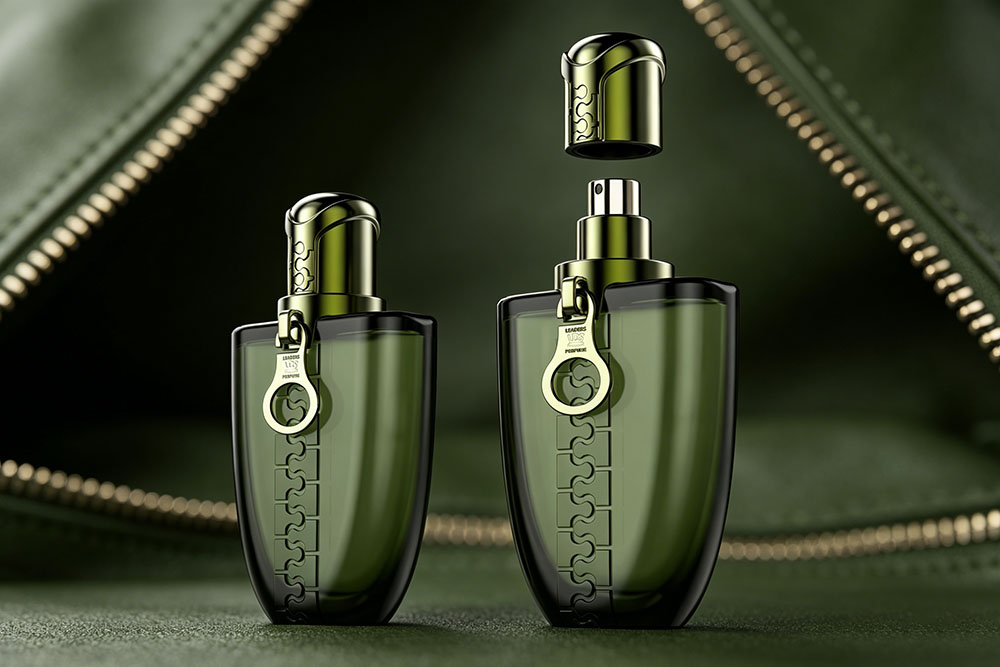
In perfume packaging design the cap is more than a functional part that keeps the spray pump safe and stops fragrance from leaking out; it acts as a main visual focus that shows the brand’s identity gives a touch of luxury and lets people feel the product’s worth. When a shopper lifts a perfume bottle the cap’s weight, how it. How it closes all work together to shape how valuable the perfume seems.

Now the usual perfume cap materials on the market break down into three main groups: Plastic (for example PP, ABS, Surlyn) Aluminum and Zinc Alloy (Zamac). This guide is made for B2B brand owners, product designers and people who buy supplies. It looks closely at five areas: the properties of each material how each one is made how it looks and feels how much it costs and how good it is, for the planet.
Plastic: Gives you a lot of freedom when designing. Polypropylene (PP) is strong against chemicals. Often used for inner liners. ABS works well for electroplating and spray coating. Surlyn resin is clear like crystal. Doesn’t break down from fragrances so it’s great for bold see-through designs. Injection molding is fast so it’s perfect for making lots of the product quickly.
Aluminum: Light and not heavy aluminum caps are usually shaped by stamping, deep drawing or CNC machining. After shaping they go through an anodizing process to get color. These caps are often made as a shell (Aluminium Cap Shell). Need a PP liner inside. The result is a lightweight cap.
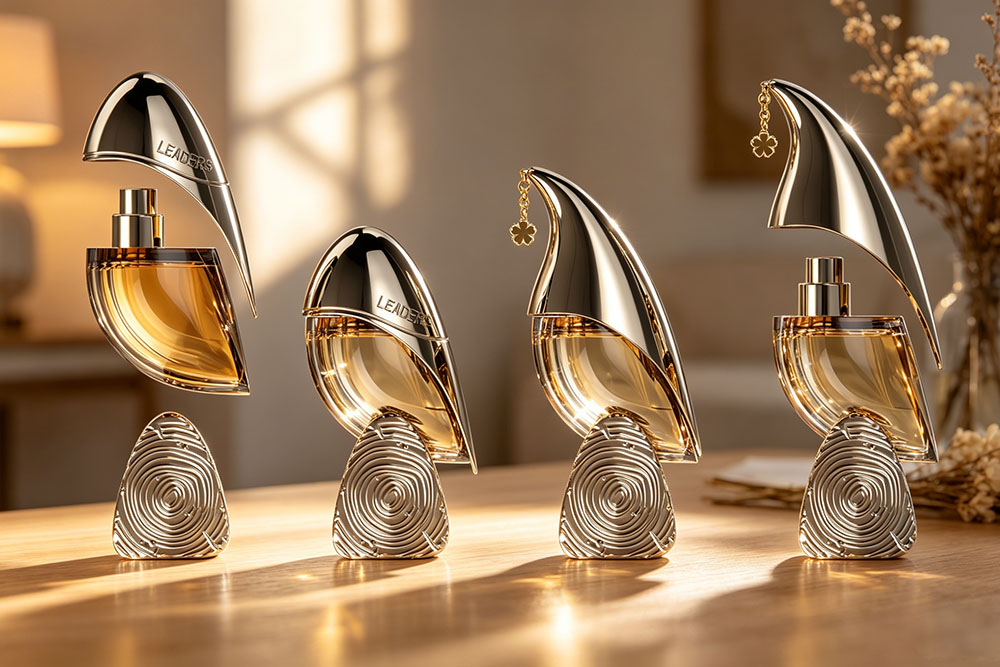
Zinc Alloy (Zamac):Zamac alloys, like Zamac 3 or Zamac 5 flow well when melted and melt at a temperature. This makes them perfect for die-casting, with detail. The process lets you create 3D carvings raised brand logos and complex shapes all in one solid piece.
Plastic: Feels warm to the touch and lightweight. Plastic without added weight inserts can easily give consumers a perception of lower-end product quality. Plastic without added weight inserts can easily give consumers a perception of lower-end product quality. Plastic without added weight inserts can easily give consumers a perception of lower-end product quality.
Aluminum: Zinc Alloy (Zamac) delivers unmistakable luxury. Its inherent high density provides weight feedback. The weight feedback ranges from 50g to over 100g per cap. When paired with a closure Zinc Alloy (Zamac) produces a distinct satisfying “click.” The click enhances the users unboxing and daily application ritual. When paired with a closure Zinc Alloy (Zamac) produces a distinct satisfying “click.” The click enhances the users unboxing and daily application ritual.
Zinc Alloy (Zamac): Delivers natural, unmistakable luxury. Its inherent high density provides substantial weight feedback (typically ranging from 50g to over 100g per cap). When paired with a magnetic closure, it produces a distinct, satisfying “click” that enhances the user’s unboxing and daily application ritual.
As global eco-friendly packaging standards evolve recyclability has become a factor in material selection. As global eco-friendly packaging standards evolve recyclability has become a factor in material selection
Plastic: Composite or electroplated plastics are difficult to recycle and non-biodegradable. Plastic is facing increasing pushback and environmental taxes in markets like Europe. Composite or electroplated plastics are difficult to recycle and non-biodegradable. Plastic is facing increasing pushback and environmental taxes in markets like Europe.
Aluminum: Aluminum is 100% infinitely recyclable. Aluminum requires energy during remelting. Aluminum is a choice for lightweight green packaging. Aluminum is 100% infinitely recyclable. Aluminum requires energy during remelting. Aluminum is a choice for lightweight green packaging.
Zinc Alloy (Zamac): Zinc Alloy (Zamac) holds high metal recycling value. Zinc Alloy (Zamac) can be remelted repeatedly without degrading its properties. Thanks to its durability Zinc Alloy (Zamac) caps are ideal long-lasting components for refillable and reusable perfume bottles. Zinc Alloy (Zamac) holds high metal recycling value. Zinc Alloy (Zamac) can be remelted repeatedly without degrading its properties. Thanks to its durability Zinc Alloy (Zamac) caps are ideal long-lasting components, for refillable and reusable perfume bottles.
When you look at options, across your packaging supply chain match your material choices to how you position your product:
Mass-Market / High-Volume Fragrances: Choose Plastic (ABS/PP) or Aluminum Shell Caps to optimize manufacturing costs while maintaining clean visual aesthetics.
Niche / Affordable Luxury Lines: Pick Anodized Aluminum or High‑Clarity Surlyn Resin to highlight style and keep design lines clean.
High-End Niche / Luxury & Collector Fragrances: Zamac Zinc Alloy is the premier choice. Its signature weight, immaculate electroplated finish, and high-precision detail directly elevate product value and build strong brand equity.
A: Mainly because Zamac caps have a luxury feel, a weight and a high level of detail:
Weight & Tactile Experience: Zamac caps are heavy (50g–100g+ per cap) giving a rich solid feel. With a closure Zamac caps make a satisfying “click” that improves the unboxing experience.
High Design Freedom: Precision die‑casting lets Zamac caps have 3D reliefs, detailed logos and fine shapes all in one piece.
Premium Finishing: Zamac caps can be electroplated with gold, chrome or gunmetal and the finish stays strong for a long time.
A: Choose either plastic or aluminum based on the position of the brand and the design goals.
Choose Aluminum (Mid‑range or Sleek): Aluminum gives a metallic touch and bright anodized colors. Aluminum is cost‑effective, durable and 100% recyclable.
Choose Plastic (Mass‑market or Cost‑effective): Plastic gives the tooling and unit costs. ABS plastic works for plating while Surlyn plastic gives crystal‑clear designs that resist fragrance chemicals. Adding weights can improve the hand‑feel of plastic.
A: The environmental impact of Zamac caps, aluminum and plastic varies a lot.
Zamac caps: Highly recyclable without losing quality. Leaders crafts durable Zamac caps specifically engineered for premium, refillable perfume bottles.
Aluminum: Aluminum is 100% recyclable can be remelted with energy and is a top choice for eco‑friendly green packaging.
Plastic: Plastic is hard to recycle. It faces higher environmental taxes and strict regulations in places, like Europe.



























Leave a comments