
 LEADERS
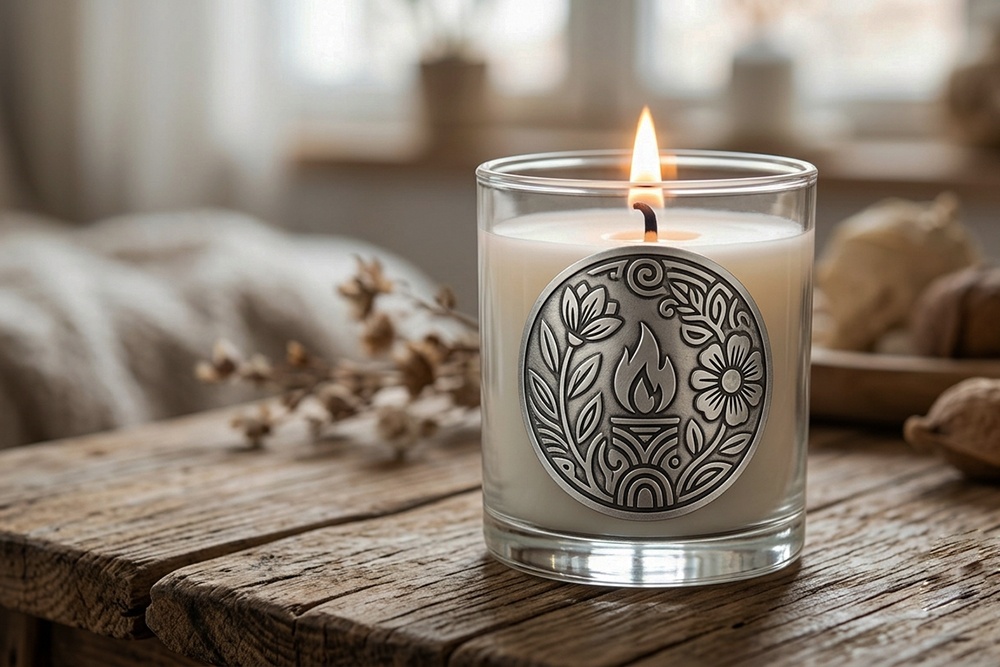
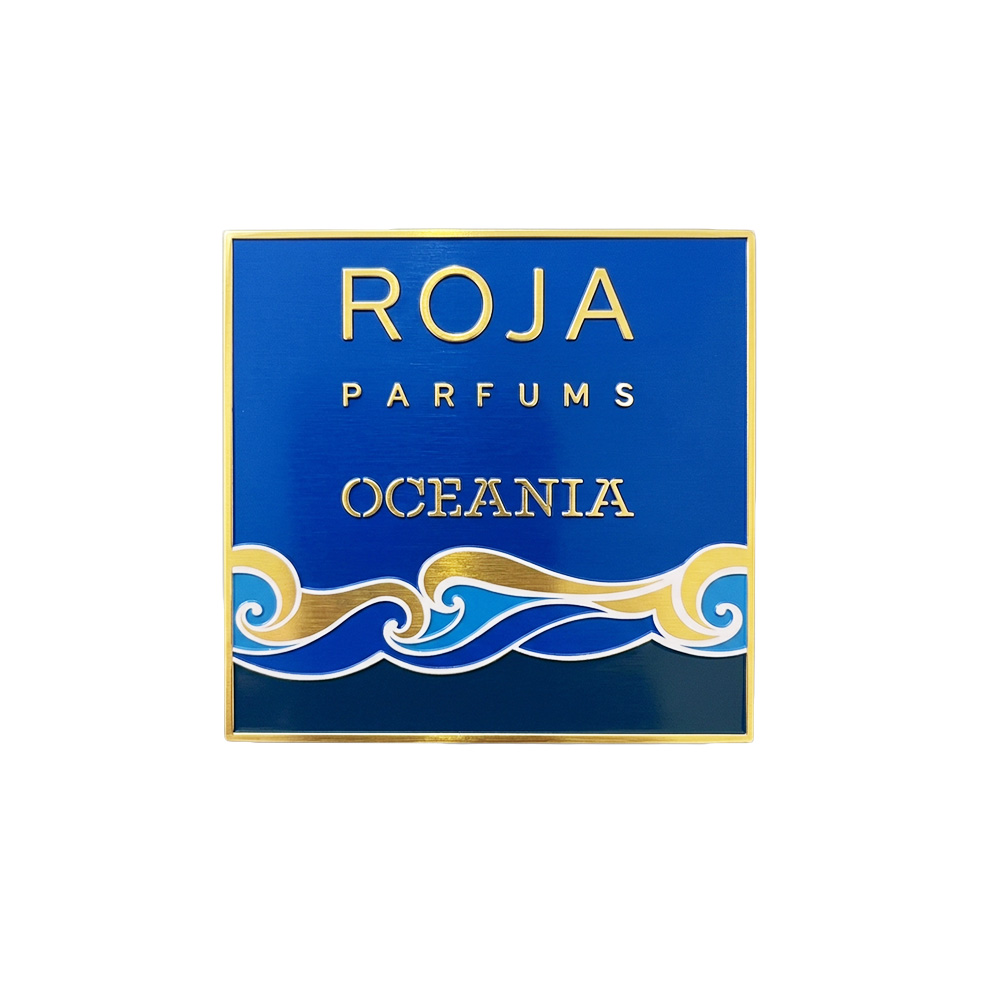
A metal nameplate can make a candle jar look more distinctive while giving the packaging a stronger tactile cue than a paper sticker. The most effective choice matches the plaque to the jar shape, brand style, surface finish, and application method. For scented candles and gift candles, LEADERS develops customized aluminum nameplates with embossed logos, custom sizing, antique copper color options, and 3M adhesive backing.
Candle labels are necessarily small. The label must identify the product, but more importantly, it must set the tone of the jar before it is even opened. A metal nameplate provides a crisp focal point on glass, transforming a humble jar into a more completed gift item.
This is particularly effective in the case of simple, dark or transparent vessels. A warm metallic finish can provide a nice contrast to amber glass, and a silver or black treatment can help create a clean modern collection. The plaque needs to be prominent enough to be recognized, but not so large that it hides the jar’s material or crowds the rest of the design.
The relationship between the plaque and the jar matters more than the metal alone. A flat nameplate suits a straight-sided vessel, while a curved or gently formed piece can sit more naturally on a round candle container. Rounded corners also reduce sharp visual transitions and help the metal follow the softened geometry common in home-fragrance packaging.
LEADERS presents the candle metal nameplate as an aluminum component with customized size and an embossed logo option. That combination gives a designer room to adjust the proportion of the plaque, the depth of the relief, and the amount of glass left visible around the brand mark.

Embossed metal labels build recognition through two channels: the raised detail can be felt, and the relief catches light as the jar moves. This makes the brand mark easier to notice on a retail shelf without depending on a large printed area. It also gives a customer a small tactile moment when the candle is picked up.
The relief should be designed with the plaque size in mind. Fine lines may lose clarity when the logo is reduced, while an overly deep or dense pattern can make the nameplate look heavy. A practical design keeps the main mark clear, leaves enough margin for the border, and uses contrast between the base finish and the raised surface.
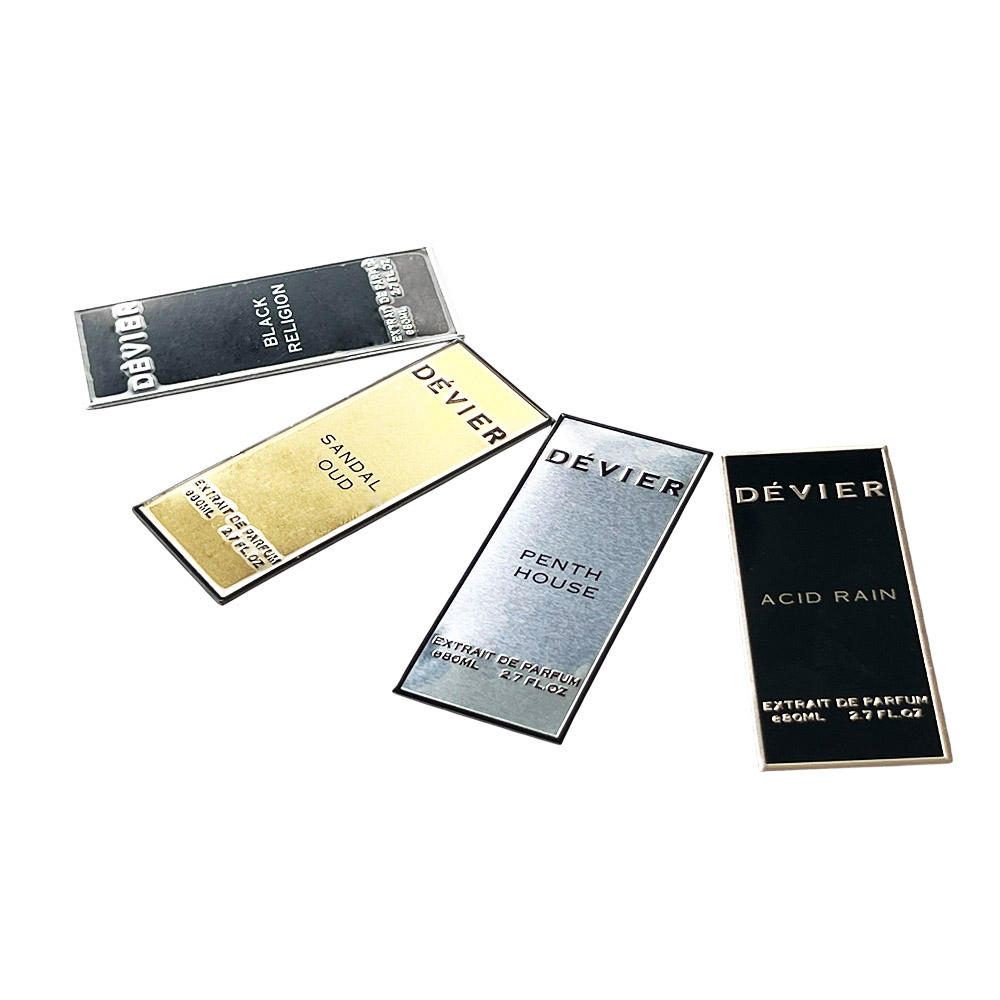
Surface treatment sets the emotional direction of metallic candle labels. Antique copper can suggest warmth, craft, and heritage. Brushed aluminum feels quieter and more architectural. A polished or colored finish can create a more decorative direction, while matte black gives the jar a restrained, modern appearance.
The finish also needs to work with the rest of the candle packaging. Compare the plaque with the glass color, wax shade, lid, carton, and photography background rather than approving it as an isolated sample. LEADERS can be considered when a collection needs the same nameplate concept adapted across several colors or scent names.
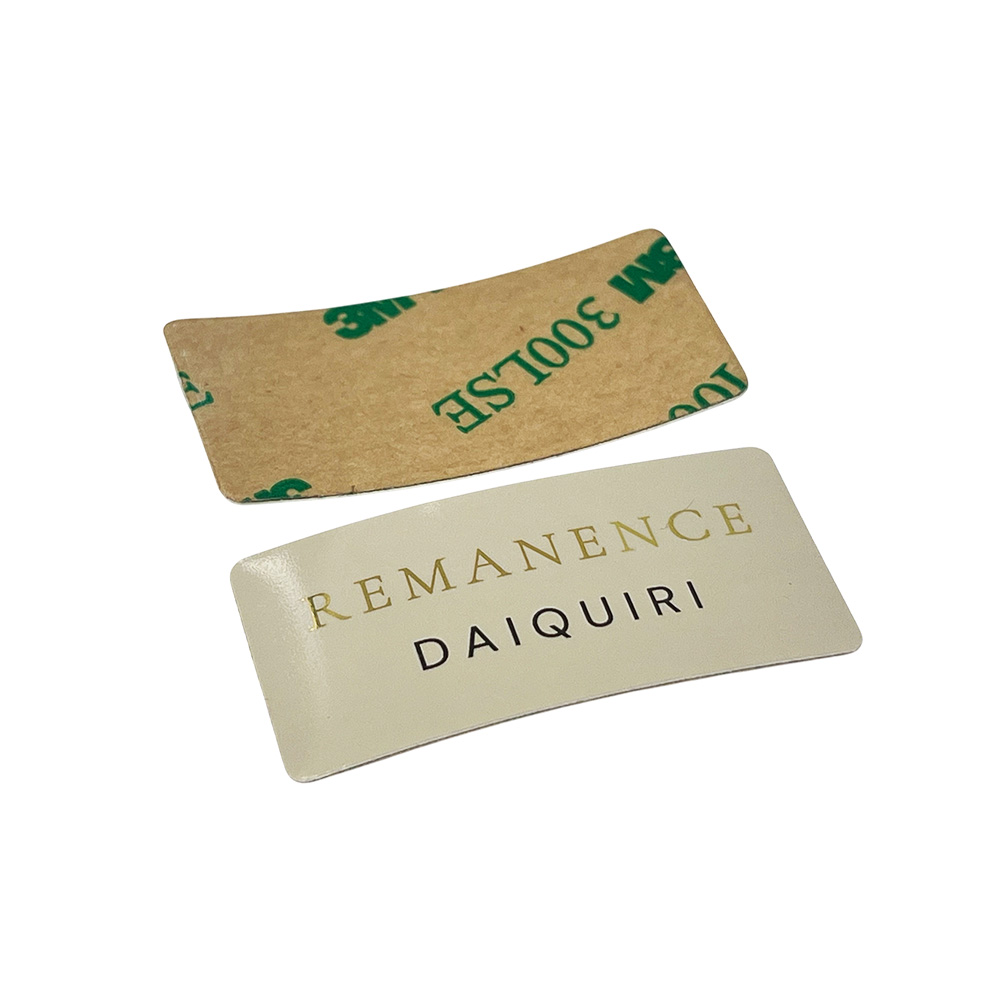
A metal nameplate is only successful when it stays aligned on the jar. The back of the product page’s candle nameplate is specified with 3M tape, which gives the application a clear adhesive route for smooth packaging surfaces. The tape should cover the intended contact area without creating visible gaps or lifting at the corners.
Before applying an adhesive metal tag, clean the glass and remove dust, oil, and residue from the contact zone. The jar should be at a suitable room temperature, and the plaque should be pressed evenly across the surface. A short application check can reveal whether the curve, edge radius, and adhesive coverage are working together.
Candle packaging may encounter warmth, fragrance oils, handling, and repeated movement between storage, display, and gifting. These conditions make edge lift and surface marking more noticeable than they are on a sample table. A clean bond, smooth edges, and a finish suited to the container help the nameplate remain part of the package rather than becoming a loose add-on.
Packaging protection matters as well. Individual polybags and strong cartons are listed for the product, helping separate reflective surfaces during handling. For a premium collection, the packing arrangement should prevent plaques from rubbing against one another before they reach the filling or assembly line.
A good metal label design begins with the actual container, not only a flat logo file. Confirm the usable front area, jar diameter, shoulder shape, lid relationship, logo direction, and the position where the customer will first see the brand. These details determine whether the plaque should be rectangular, rounded, curved, narrow, or more decorative.
A physical sample is valuable because it shows proportion and reflection more honestly than a screen rendering. It can also expose problems with the jar curve, adhesive edge, logo scale, or the visual balance between the metal and the candle wax inside.
The plaque should belong to the full home-fragrance system. Its border, color, and relief can echo a candle lid, carton detail, gift box insert, or secondary scent marker. When those elements share a visual language, a candle line feels more organized across shelves, online product images, and seasonal gift sets.
LEADERS supports a broader packaging range that includes fragrance components and candle packaging. Reviewing the candle packaging range alongside the metal nameplate product can help a brand coordinate the plaque with other visible packaging parts.
A sample should answer more than “Does the logo look right?” Check the metal temperature in hand, plaque stiffness, corner finish, embossing clarity, color consistency, edge contact, adhesive coverage, and the way the jar looks from a normal retail distance. The best reference captures the whole interaction between glass, label, lid, and outer packaging.
The product lists samples as available and gives an eight-day sample lead time. Production is listed as 15 to 25 days depending on order quantity, so the development schedule should leave room for reviewing the physical sample before the packaging line is finalized.
A multi-scent collection can lose its visual discipline when each label is approved separately. Keep one reference for the plaque outline, logo position, finish range, corner treatment, and

acceptable surface variation. Only change the elements that need to identify a new scent or edition.
For brands evaluating a LEADERS metal packaging solution, the useful discussion is the relationship between the nameplate, the jar, and the full package. A well-matched component can make a small candle feel more intentional without forcing the rest of the design to become elaborate.
A metal nameplate gives candle packaging a physical brand signature: the customer sees the relief, feels the metal, and reads the container as a considered object. The strongest result comes from matching aluminum, embossing, surface finish, curvature, 3M adhesive backing, and protective packing to the actual jar and scent collection. LEADERS offers a practical route for brands that want customized metal detail without losing control of fit and presentation.
Explore LEADERS metal nameplate options to give your next candle collection a more distinctive and durable packaging identity.
A: A metal nameplate identifies the candle while adding a tactile and reflective brand element. It can create a stronger focal point than a paper sticker, especially on amber, dark, or transparent glass. The shape and finish should match the jar, lid, scent positioning, and overall candle packaging.
A: Every production batch undergoes a rigorous 3-tier Quality Assurance System:
Raw Material Audit: Aluminum sheet thickness tolerance checked within ±0.01mm.
In-Line Automated Optical Inspection (AOI): Scans for surface scratches, pinholes, and printing defects greater than 0.05mm².
Batch Lab Testing: Cross-hatch adhesion test, 48-hour alcohol rub test, and 24-hour Salt Spray Test (ASTM B117) to verify zero corrosion.
A: The candle metal nameplate is presented with aluminum construction, customized sizing, 3M tape on the back, antique copper color, and an embossed logo option. The product page also indicates that customized designs and samples are available, allowing the visual details to be checked before regular production.
A: We offer over 10 distinct metal processing techniques to match your brand identity:
Surface Finishes: Fine Brushed (Satiny), Mirror Electroplated (Shiny Gold/Silver/Rose Gold), Matte/Anodized, Antique Vintage Swept Oil, and Glossy Lacquer Coating.
Logo Craftsmanship: 3D Micro-Embossing (up to 0.8mm relief depth), Debossing, High-Precision Screen Printing, CNC Laser Engraving, and Hollow Die-Cutting.

















Leave a comments