Come scegliere un flacone di profumo ricaricabile per il confezionamento di spray da viaggio

Come scegliere un flacone di profumo ricaricabile per il confezionamento di spray da viaggio

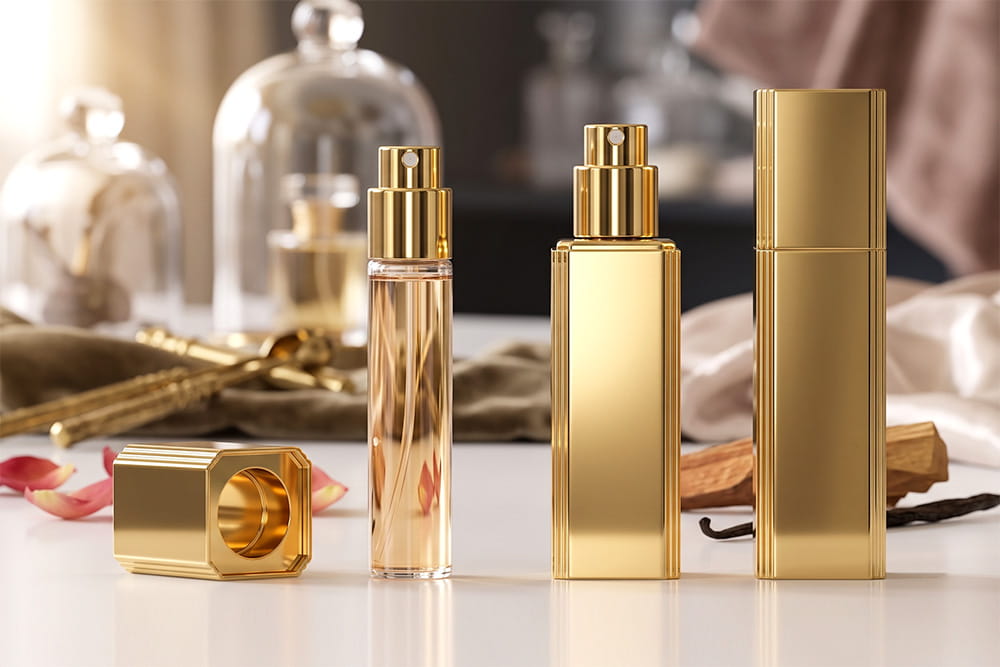
Un flacone di profumo ricaricabile è la scelta migliore per il packaging da viaggio di un flacone spray, a patto che combini una capacità gestibile, una chiusura sicura, una nebulizzazione fine e costante e una finitura in linea con il marchio della fragranza. Il formato ideale è facile da trasportare, semplice da ricaricare e sufficientemente attraente da poter essere utilizzato sia per i ritocchi quotidiani che come piccolo regalo. Per i marchi, la decisione non riguarda solo la creazione di una versione più piccola di una bottiglia di dimensioni standard. Una bottiglia di profumo portatile deve resistere al trasporto in borsa o in valigia, presentare la fragranza in modo chiaro su un bancone o in un set di prova e creare un rituale di utilizzo affidabile ogni volta che si rimuove il tappo. Perché il packaging degli spray da viaggio necessita di un brief diverso Un flacone di profumo di dimensioni standard è spesso progettato per essere posizionato su una toeletta, dove la sua silhouette e i dettagli decorativi contribuiscono in larga misura alla presentazione. Un flacone spray da viaggio, invece, viene maneggiato più frequentemente e conservato in spazi più ristretti, pertanto proporzioni, impugnatura, meccanismo di chiusura e resistenza della superficie diventano elementi fondamentali dell'esperienza d'uso. Il formato cambia anche il modo in cui i clienti utilizzano le fragranze. Un vaporizzatore portatile può essere utilizzato per un ritocco a metà giornata, per un weekend fuori porta, in borsa, in un kit di scoperta o in un cofanetto regalo di lusso. La confezione deve quindi risultare compatta senza essere usa e getta, e pratica senza perdere il carattere visivo della collezione principale. Come scegliere un flacone di profumo ricaricabile Iniziate con il caso d'uso e la capacità Quando si sceglie un flacone di profumo ricaricabile da viaggio, è importante considerare il momento in cui verrà utilizzato. Un formato da 8 ml è ideale per un set di prova compatto o per un breve viaggio, mentre un formato da 10 ml offre a chi lo usa quotidianamente più spazio per ritocchi frequenti. LEADERS propone flaconi spray magnetici da viaggio nei formati da 8 ml e 10 ml per una selezione di prodotti, offrendo ai designer un chiaro punto di partenza per la pianificazione della gamma. Il volume da riempire va considerato insieme alla forma della bottiglia. Un cilindro sottile si può facilmente infilare in una piccola pochette, mentre una forma quadrata o a rombo attira più facilmente l'attenzione su uno scaffale. L'opzione più appropriata dipende dalla geometria della bottiglia già esistente per il marchio, dallo spazio disponibile nella confezione regalo e dal fatto che l'articolo da viaggio sia disponibile per la vendita singolarmente o in set. Valutare la chiusura e l'esperienza di spruzzatura Un vaporizzatore di profumo ricaricabile dovrebbe aprirsi con un movimento controllato e ripetibile e chiudersi con sufficiente sicurezza per l'uso quotidiano. I tappi magnetici possono rendere l'apertura più precisa, ma la funzione magnetica dovrebbe essere valutata come parte integrante del sistema di chiusura complessivo, piuttosto che come un semplice dettaglio decorativo. Anche lo spray è importante. Un flacone compatto è più soddisfacente quando produce una nebulizzazione fine e uniforme e rende l'applicazione facile da controllare. Alcune descrizioni di spray da viaggio LEADERS combinano la possibilità di ricarica con tappi magnetici, mentre lo spray da viaggio magnetico quadrato è descritto con un guscio in alluminio di alta qualità, tappo magnetico e design a prova di perdite. Questi dettagli si applicano alla descrizione del prodotto specificata, non automaticamente a tutti i formati di spray da viaggio. Abbinare materiale, finitura e direzione tattile La scelta del materiale influenza la percezione di un flacone di profumo da viaggio ancor prima dell'applicazione della fragranza. Il metallo può creare un'impressione più fredda e strutturata, mentre un trattamento esterno testurizzato o simile alla pelle può rendere la custodia da viaggio più morbida e personale. La finitura dovrebbe essere scelta insieme al flacone, al tappo, alla scatola e alla confezione regalo di dimensioni standard, in modo che il formato più piccolo risulti parte integrante della stessa famiglia olfattiva. Anche il colore è importante: un formato da viaggio viene solitamente tenuto vicino agli occhi. Una sofisticata finitura argento, nera o champagne può valorizzare una collezione delicata, mentre un colore più audace può differenziare le diverse fragranze in un cofanetto di prova. Il packaging degli spray da viaggio può essere personalizzato e risulta più efficace quando colore, finitura e chiusura si ripetono con sufficiente rigore da mantenere l'identità del marchio in tutta la linea. Dove si colloca il packaging spray da viaggio LEADERS La collezione di flaconi spray da viaggio LEADERS comprende diversi formati pensati per la presentazione portatile delle fragranze, tra cui un flacone spray magnetico da viaggio da 8 ml, un flacone spray magnetico da viaggio a forma di rombo da 8 ml e 10 ml, un atomizzatore spray magnetico da viaggio da 8 ml e un atomizzatore spray da viaggio esclusivo. Questa gamma offre ai marchi la possibilità di confrontare un formato compatto per l'uso quotidiano con una forma più distintiva. Il prodotto si presta inoltre a diverse applicazioni pratiche: viaggi, ritocchi quotidiani di profumo, regali aziendali e presentazioni di alta gamma. Questa combinazione è importante perché uno spray da viaggio spesso si presta a più canali di vendita. Può essere incluso in un set di scoperta per la vendita al dettaglio, in un omaggio per il settore alberghiero, in una confezione regalo stagionale o in un pacchetto venduto direttamente al consumatore, quindi il suo aspetto e la sua maneggevolezza devono risultare convincenti anche al di fuori dell'esposizione principale sullo scaffale. Progettare il percorso di ricarica attorno al cliente La ricaricabilità è utile solo quando il cliente comprende e accetta la routine. La bottiglia dovrebbe rendere evidente dove è contenuta la fragranza, come è la testina sprayprotetto e come il tappo ritorna nella sua posizione corretta. Istruzioni chiare possono essere inserite nella confezione o nella pagina del prodotto, mentre il design fisico dovrebbe rendere l'operazione di ricarica semplice e agevole. Per un marchio di profumi, il processo di ricarica rappresenta anche un'opportunità per consolidare il rapporto con il cliente oltre il primo acquisto. Un flacone di profumo portatile può incoraggiare i clienti a portare con sé una fragranza familiare al lavoro, in viaggio, a cena e in occasioni sociali. Quando la confezione esterna rimane attraente anche dopo ripetuti utilizzi, il flacone viene percepito più come un utile oggetto personale che come un semplice campioncino temporaneo. Integrare il formato in un sistema di confezionamento più ampio I programmi di spray da viaggio più efficaci vengono pianificati con l'intero sistema di confezionamento, anziché essere aggiunti in un secondo momento. Confronta la spalla del flacone, l'altezza del tappo, la posizione dell'etichetta, le proporzioni della confezione e i riferimenti cromatici prima di chiudere la custodia portatile. Questo riduce il rischio di un articolo da viaggio che non abbia nulla a che vedere con il flacone principale o che risulti troppo generico per la fascia di prezzo del marchio. LEADERS è la soluzione ideale quando un marchio di profumi ha bisogno di collegare le custodie da viaggio con altri componenti del packaging. La nostra gamma di prodotti comprende anche flaconi di profumo, tappi in Zamac, tappi in alluminio, tappi in plastica, tappi in legno, coperchi per candele e tappi per bottiglie, consentendo di considerare l'intero packaging anziché un singolo elemento isolato. Conclusione Un flacone di profumo ricaricabile ha successo quando portabilità, possibilità di ricarica, controllo dello spruzzo, sicurezza della chiusura e identità visiva lavorano in sinergia. Scegli la capacità in base all'utilizzo effettivo, testa il tappo e l'erogatore con la fragranza reale e considera la finitura superficiale come parte integrante dell'esperienza del marchio. Per i marchi che desiderano creare un formato da viaggio pratico ed elegante, LEADERS offre una gamma di soluzioni di packaging per spray e profumi da viaggio da valutare. Scopri le opzioni di packaging per profumi LEADERS, che combinano un flacone ricaricabile con una presentazione della fragranza più uniforme. FAQ D: Cosa rende un flacone di profumo ricaricabile adatto ai viaggi? A: Un flacone da viaggio ideale coniuga compattezza, tappo sicuro, maneggevolezza e un'erogazione di nebulizzazione fine e affidabile. La possibilità di ricaricarlo è un valore aggiunto, a condizione che il processo sia chiaro e pratico. Capacità, forma, finitura superficiale e compatibilità con la confezione del profumo circostante devono essere valutate congiuntamente. D: È meglio uno spray da viaggio da 8 ml o da 10 ml? R: Nessuno dei due formati è universalmente migliore dell'altro. Il formato da 8 ml può essere ideale per i set di prova, i viaggi brevi e le borse compatte, mentre quello da 10 ml offre una maggiore quantità di fragranza per chi lo usa quotidianamente, consentendo ritocchi frequenti. La scelta dovrebbe tenere conto dell'utilizzo previsto, dello spazio disponibile nella confezione regalo e delle proporzioni visive del flacone principale. D: Tutti gli spray da viaggio LEADERS hanno un tappo magnetico? R: No. La chiusura magnetica è descritta per alcuni prodotti spray da viaggio LEADERS, incluse le opzioni magnetiche da 8 ml e 8 ml/10 ml. Per gli altri formati, si prega di consultare la relativa descrizione del prodotto. Non si deve presumere che la chiusura, il materiale del guscio o il design a prova di perdite siano applicati a tutti gli articoli della gamma. D: Come può uno spray da viaggio eguagliare un flacone di profumo di dimensioni standard? A: Innanzitutto, riproduci gli elementi di design più evidenti: colore, finitura del tappo, forma della flacone, proporzioni dell'etichetta e dettagli della confezione. Il formato da viaggio non deve necessariamente replicare ogni caratteristica del flacone principale, ma dovrebbe condividere sufficienti elementi visivi da far percepire la fragranza come appartenente alla stessa famiglia olfattiva in una borsetta, in un cofanetto regalo o in un espositore per la vendita al dettaglio.
Come possono i marchi di profumi esteri personalizzare in modo efficiente i tappi per flaconi di profumo in zamak tramite OEM/ODM?

Come possono i marchi di profumi esteri personalizzare in modo efficiente i tappi per flaconi di profumo in zamak tramite OEM/ODM?

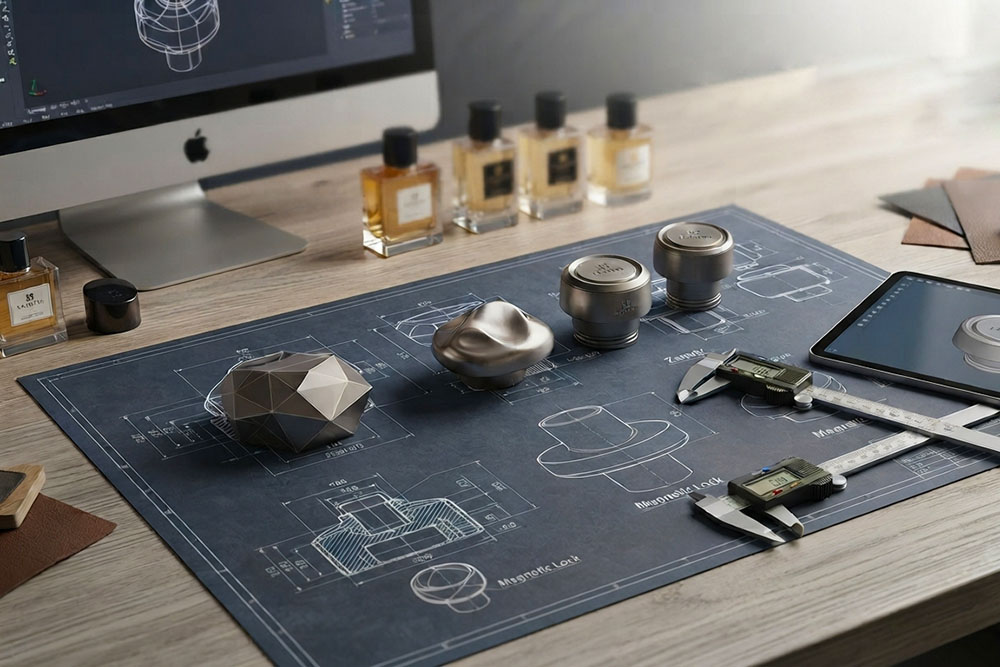
Nell'odierno mercato competitivo dei profumi di lusso, la fragranza è senza dubbio l'elemento più importante, ma il packaging del flacone è ciò che più di ogni altro fa innamorare il cliente a prima vista. Tra i materiali, lo Zamak (lega di zinco) è diventato la scelta preferita sia dai marchi di nicchia indipendenti che dalle grandi aziende internazionali per creare un'atmosfera di lusso e rafforzare la riconoscibilità del marchio. Questo grazie alla sua elevata qualità percepita, alla buona malleabilità e alla finitura superficiale estremamente liscia. Per i marchi di profumi, la produzione di tappi in zamak tramite OEM o ODM da altri paesi spesso comporta problemi come elevati costi di comunicazione, lunghi tempi di attesa per i campioni e difficoltà nel controllo della qualità. Come possono i marchi completare il processo di personalizzazione in modo rapido e semplice? Questo articolo illustra una guida efficace passo passo. I. Preparazione: Dettagli tecnici chiari ed esigenze specifiche Il primo passo per rendere il processo rapido e semplice è avere "informazioni". Molti marchi esteri che cercano fornitori forniscono solo un'immagine o un'idea vaga. Questo spesso porta a modifiche successive e a una grande perdita di tempo. Disegni 3D e file di ingegneria (formato STEP/IGES): se il marchio dispone di propri designer, questi dovrebbero fornire disegni 3D precisi al millimetro. Le fabbriche professionali non si limitano a guardare l'esterno, ma verificano anche gli angoli, lo spessore delle pareti (generalmente tra 1,5 mm e 2,5 mm per evitare il restringimento) e la qualità di fabbricazione delle parti interne, come gli incastri a scatto o i magneti. Dettagli fondamentali da confermare: Peso: La caratteristica principale di un cappello in Zamak è la sensazione di pesantezza, quindi il peso deve essere adeguato. Dimensioni del collo: come le filettature standard FEA da 15 mm e 18 mm o con finiture speciali. Il marchio deve fornire campioni del flacone di profumo o disegni precisi del collo per garantire che il tappo e il flacone si adattino perfettamente. Finitura superficiale: scegli tra oro, oro opaco, canna di fucile, bronzo spazzolato o una speciale placcatura PVD sottovuoto. II. Scelta dei partner: individuare stabilimenti con piena capacità produttiva Non tutte le fabbriche sono in grado di produrre tappi per flaconi di profumo. I tappi per flaconi di profumo sono un componente essenziale di prodotti di elettronica di consumo e articoli di lusso di alta qualità. Non c'è margine di tolleranza per eventuali difetti superficiali. Prendendo come esempio LEADERS (Dongguan Leaders Hardware Products Co., Ltd.), un'azienda con una vasta esperienza nella produzione di packaging per profumi di alta gamma, i marchi esteri dovrebbero valutare i seguenti aspetti nella scelta di un fornitore: Competenze nella realizzazione di stampi e nella pressofusione: le fabbriche di qualità dispongono di reparti specializzati nella realizzazione di stampi, in grado di controllare temperatura e pressione durante il processo di pressofusione per evitare la formazione di bolle d'aria o il ritiro della lega di zinco. Catena di produzione: dalla progettazione dello stampo alla pressofusione, passando per l'incisione, la lucidatura, la galvanizzazione, l'assemblaggio (come rivestimenti interni e magneti) e i controlli di qualità, è preferibile che tutte queste fasi vengano svolte nella stessa fabbrica o nelle immediate vicinanze. Se la galvanizzazione viene eseguita altrove e non gestita correttamente, può causare problemi di colore e ritardi. Esperienza nella comunicazione e nella gestione dei progetti: i produttori di qualità come LEADERS possiedono ottime competenze in inglese e esperienza nella collaborazione con marchi esteri. Forniscono aggiornamenti costanti sul progetto, garantendo un flusso di lavoro senza intoppi. III. Un metodo rapido per collaborare: quattro fasi, dai campioni alla produzione di massa Per evitare che il disegno sia perfetto ma il prodotto reale non lo sia, è importante effettuare un controllo dei campioni secondo uno standard. 1. Immagini 3D e realizzazione di modelli Prima di realizzare gli stampi in metallo, le fabbriche spesso creano modelli in resina o materiali simili al legno utilizzando la stampa 3D o macchine CNC. Possono anche realizzare immagini 3D di alta qualità per consentire al marchio di verificare le dimensioni, la sensazione al tatto e l'aspetto. In questa fase, apportare modifiche è pressoché gratuito. 2. Realizzazione degli stampi e verifica dei primi campioni Una volta approvati i disegni 3D, la fabbrica inizia a realizzare gli stampi in Zamak (di solito ci vogliono 15-20 giorni). Al termine, viene realizzato il primo lotto di campioni (campioni T1). Il marchio dovrebbe verificare: Come si adatta il tappo: è facile da svitare? Si chiude bene? Risulta troppo allentato o graffia la bottiglia? Problemi della superficie: sono presenti fori, linee o punti che non sono stati lucidati a dovere? 3. Galvanostegia e verifica dell'aspetto Poiché il colore del metallo può variare in base alla temperatura, alla modalità di lavorazione e alla composizione della lega, è frequente riscontrare differenze di colore tra i vari ordini. I marchi dovrebbero definire uno "standard di colore" durante la fase di campionatura, confermandolo per iscritto o tramite campioni sigillati. Questo standard verrà utilizzato per la produzione in serie del prodotto. 4. Sigillatura del campione e avvio della produzione di massa Una volta che entrambe le parti si accordano sul campione, viene firmato un campione sigillato e la fabbrica può iniziare a produrre il prodotto in grandi quantità. IV. Controllo qualità e regole di spedizione: standard obbligatori Durante la produzione, i marchi esteri possono avvalersi di società di ispezione terze (come SGS o BV) oppure richiedere report di qualità dettagliati direttamente alla fabbrica. Tra gli aspetti importanti da verificare figurano: Test di nebbia salina: per luoghi con umidità e sale come il Medio Oriente e le zone costiere lo strato di Zamak elettroplaccato deve superare un test di 48oppure un test di 72 ore per accertarsi che non arrugginisca o si sfogli. Test a reticolo incrociato: verifica l'adesione dello strato galvanico al materiale di base. Test di corrosione del profumo: l'alcol contenuto nel profumo potrebbe danneggiare l'interno del tappo, quindi il materiale (come PP o ABS) e la guarnizione devono essere di buona qualità. Protezione dell'imballaggio: la superficie dei tappi in zamak è delicata e può graffiarsi durante il trasporto. L'utilizzo di griglie in cotone perlato, carta impermeabile e robuste scatole per l'esportazione è indispensabile. Per i marchi di profumi, scegliere una fabbrica affidabile e di qualità per la produzione di tappi in zamak (come quelle situate in aree con filiere consolidate come Dongguan, in Cina) significa risparmiare molti soldi che altrimenti verrebbero spesi in tentativi ed errori. Offre inoltre una garanzia dall'idea iniziale al prodotto finito. Grazie a accurati controlli sui campioni e a rigorosi standard qualitativi, il vostro profumo risplenderà sugli scaffali dei negozi, acquisendo un aspetto lussuoso e raffinato. D1: Cos'è lo Zamak e perché si usa per i tappi dei flaconi di profumo? A: Lo zamak è una lega di zinco che offre una sensazione di lusso e robustezza, un'eccezionale plasticità di design e finiture galvaniche di qualità superiore, il che lo rende la scelta ideale per i tappi dei flaconi di profumo di alta gamma. D2: Come garantite un accoppiamento perfetto della bottiglia e la durata della placcatura? R: Regoliamo con precisione le tolleranze del rivestimento interno (a incastro o magnetico) per adattarlo al collo della tua bottiglia. Tutti i prodotti superano i test di corrosione in nebbia salina per garantire che la galvanizzazione rimanga durevole e resistente allo sfogliamento. D3: Qual è il quantitativo minimo d'ordine (MOQ) e il tempo di consegna per i tappi in Zamak personalizzati? A: Quantità minima d'ordine (MOQ): Generalmente da 3.000 a 5.000 pezzi. Tempi di consegna: La realizzazione degli stampi e la campionatura richiedono 15-20 giorni; la produzione di massa richiede 15-25 giorni.
Sculpting Identity: How Niche Perfume Brands Leverage Bespoke Zamak Caps to Forge Super-Symbols

Sculpting Identity: How Niche Perfume Brands Leverage Bespoke Zamak Caps to Forge Super-Symbols

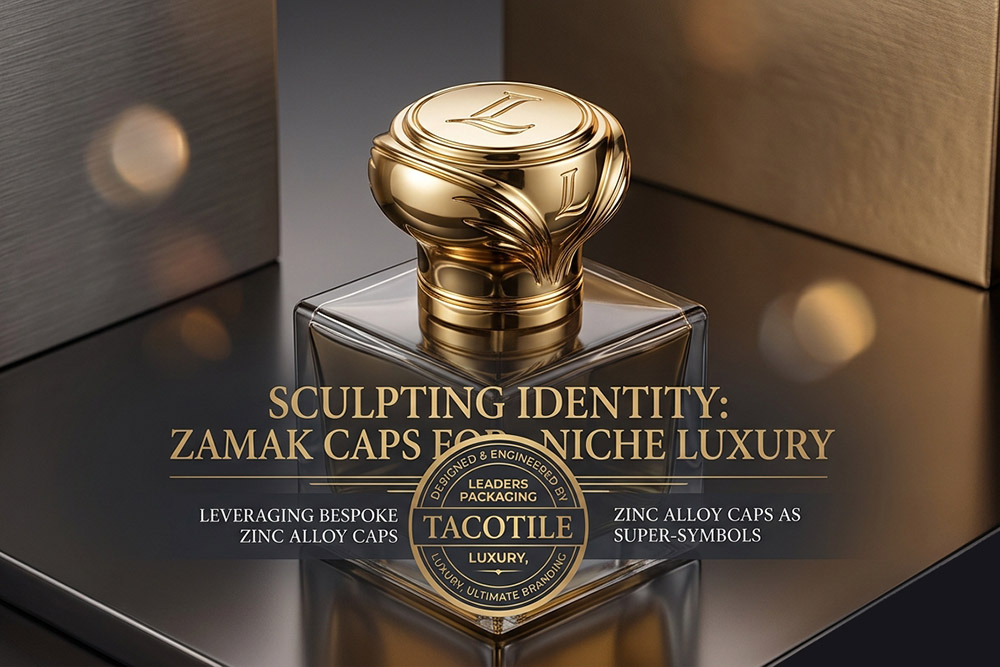
In the world of fancy perfume the smell is invisible but the box is loud. While regular perfumes use people and big ads small perfume companies need to catch peoples attention with how they look and the stories they tell through touch. The bottle cap sits at the point of the sensory engagement and the bottle cap is the literal crowning jewel of the fragrance bottle. Today, forward-thinking niche brands are turning away from generic plastic closure caps and adopting custom-molded Zamak (zinc alloy) caps as their ultimate “super-symbol.” 1. From Functional Closure to Brand Anchor A “super-symbol” is a visual cue that instantly communicates identity, heritage, and values without requiring words. Think of the crown-shaped closure on Royal Crown fragrances or Penhaligon’s portrait animal heads. Zamak – a combination of zinc, aluminum, magnesium and copper – provides an optimal mixture of fluidity for casting and density. Zamak caps provide “an immediate feel of solid luxury” as opposed to thin plastic or stiff aluminum. When a consumer grabs a bottle, the cold feel and weight of a zamak cap induces a psychological perception of high quality craftsmanship even before the spray mechanism is pushed. 2. Engineering Artistry: The Material Advantage of Zamak To transform a brand emblem into a physical masterpiece, the material must accommodate intricate engineering. Zamak stands out in luxury packaging due to several physical properties: Feature Zamak / Zinc Alloy Plastic (ABS / Surlyn) Aluminum Design Flexibility Exceptional fluid casting for complex 3D shapes Good for geometry, limited depth Primarily restricted to cylindrical stamping Hand-Feel & Weight Heavy, cool to touch (~6.7 g/cm³) Light (~1.0–1.2 g/cm³) Light-to-medium (~2.7 g/cm³) Surface Finishes PVD, electroplating (Gold, Gunmetal, Rose Gold) Spray painted or vacuum metalized Anodized Durability & Wear High impact strength, chip-resistant Prone to scratching over time Prone to denting By the use of high pressure die casting process, Zamak can be made to a sub-millimeter level of accuracy. Whether the design calls for organic curves, crisp geometric facets or complex anatomical elements, Zamak picks up micro-textures that stay crisp through polish and plating. 3. Multisensory Storytelling: Weight, Texture, and Sound Niche fragrance relies on emotional storytelling, and bespoke Zamak caps activate multiple senses at once: Visual Distinction: Clean lines of the bottle allow it to be instantly recognizable on a crowded boutique shelf or feed in social media. Tactile Resonance: The interplay of smoothglass and textured metal lends itself to a physical experience that will not be forgotten. Acoustic Satisfaction: Together with a magnetic insert, a heavy Zamak cap clicks firmly closing under a pleasant and rewarding “clack” – an audio cue that confirms a tight seal while bringing a bit of sophistication to the everyday. 4. Strategic ROI: Why Custom Molding Pays Off Custom tooling for a Zamak cap has initial costs, but the strategic benefits are significant: Sustained Brand Equity: A single glass bottle base can be used across an entire fragrance line, with individual collections distinguished by unique Zamak caps. Refillable Ecosystems: sustainable, refillable fragrance bottles are becoming standard, but the bottle cap is the permanent, collectible element that users hold on to for years. Higher Price Point: The tactile luxury experience directly supports higher retail prices in the niche market category ($200–$500+ per bottle). Final Summary In contemporary niche perfume, the fragrance narrates the story, but the Zamak cap seals the memory. By casting the zinc-aluminum alloy into custom sculptural pieces, fragrance brands turn a simple packaging element into a lasting symbol of luxury. Collaborating with seasoned custom packaging professionals such as Leaders Packaging enables niche labels to effortlessly combine high-precision Zamak engineering with artistic narrative, transforming imaginative ideas into physical super-symbols. Frequently Asked Questions (FAQ) Q1: Why should niche fragrance brands choose Leaders Packaging for custom Zamak perfume caps? A: Leaders Packaging has technical experience in luxury packaging. They offer solutions—from 3D concept design and mold making to high-pressure die-casting, electroplating and magnetic insert assembly. Their strict quality control ensures every Zamak cap meets luxury standards. The result is a surface finish and tight dimensional tolerances that look and feel premium. Q2: What is the typical Minimum Order Quantity (MOQ). Lead time for custom Zamak caps at Leaders Packaging? A: The standard MOQ for custom Zamak caps usually starts at 5,000 to 10,000 pieces. The exact number depends on how complex the mold and surface finish’re. Once the 3D drawing is approved sampling takes about 25 to 35 days. Mass production generally takes 35 to 45 days from order confirmation. Q3: How does Leaders Packaging ensure the electroplating finish on Zamak caps resists perfume corrosion? A: Perfume contains a lot of alcohol, which can damage low-quality metal plating. Leaders Packaging tests every electroplated and PVD-coated Zamak cap with quality checks. These include alcohol immersion tests, salt spray corrosion tests and cross-hatch adhesion tests. This ensures the caps resist tarnish, peeling and wear for a time even with frequent use. Q4: How do Leaders Packaging engineers solve tolerance mismatches between heavy Zamak caps and glass bottle necks? A: Glass bottles often have a tolerance of about ±0.5 mm but Zamak caps are made with very tight tolerances—down to ±0.05 mm. To fix this mismatch Leaders Packaging designs custom liners made from plastic or magnetic materials. Options include PP, POM or custom magnetic housings. These liners absorb differences, in size stop glass from scratching and give a smooth secure fit every time.
Redefining Fragrance Design: How Zinc Alloy Die Casting Elevates Perfume Caps to Sculptural Art

Redefining Fragrance Design: How Zinc Alloy Die Casting Elevates Perfume Caps to Sculptural Art

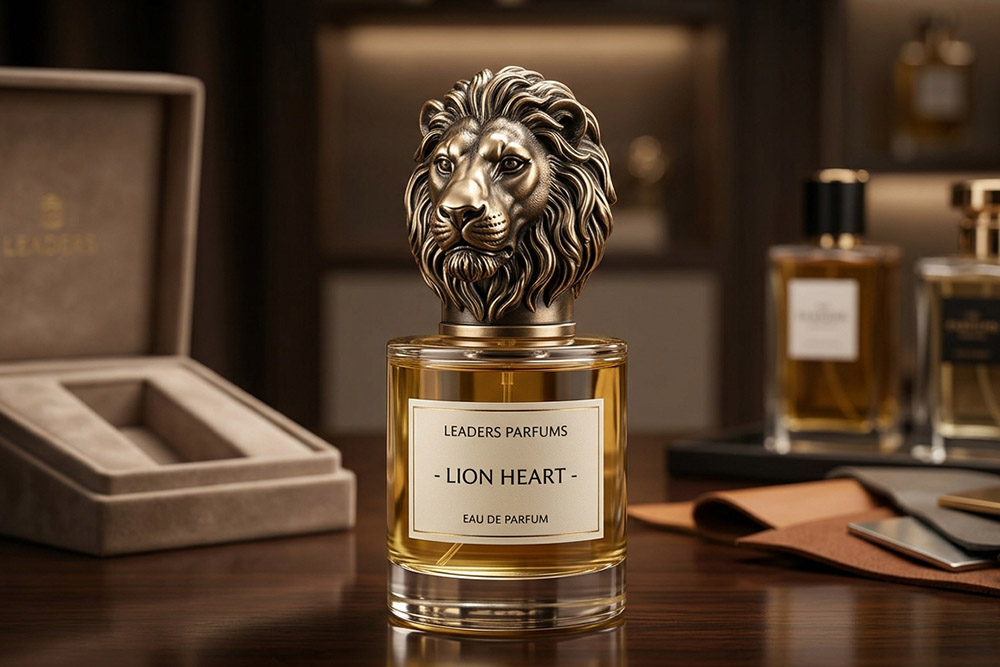
Within the world of luxury fragrance the first point of contact, between a brand and a consumer is not the scent itself. The bottle is the thing a luxury fragrance buyer sees. Specifically the weight, texture and visual impact of the perfume cap are what catch the eye of a luxury fragrance shopper. As haute parfumerie shifts toward storytelling and sensory experiences, traditional flat, geometric, or simple plastic caps no longer suffice. Enter Zinc Alloy (Zamak) die casting: the manufacturing solution enabling perfumers and packaging designers to push past the constraints of 2D aesthetics into the realm of intricate, sculptural 3D design. From hyper-detailed animal motifs and historical busts to surrealist fluid shapes, zinc alloy has changed what is structurally possible in luxury packaging. Here is how zinc alloy die casting turns functional perfume enclosures into museum-worthy sculptures. 1. High Fluidity and Precision: The Physics Behind Complex Geometries Making a three-dimensional sculpture demands a material that can perfectly copy designs while staying strong and intact. Aluminum has limits when it comes to casting shapes. Rigid plastics often result in surfaces and show mold lines.. Zinc alloys—especially Zamak 3 and Zamak 5—deliver outstanding fluid behavior when melted. Ultra-Low Viscosity: Molten zinc moves filling even the thinnest channels, deep areas and tight corners inside steel molds. Micro-Detail Reproduction: Whether its fur textures, sharp edges or delicate lace-like patterns, zinc alloy reproduces details as small as a fraction of a millimeter. High Dimensional Stability: As the metal cools it shrinks very little. This means designers can get fits for internal parts, like locking mechanisms without changing the shape of the outer sculpture. 2. Weight and Cold-Touch Tactility: The Psychology of Luxury Sculptural design is not about looking good; it is about feeling good. High-end customers link the weight and the temperature of an object to real value and high quality. Denso-Tactile Presence: Zinc alloy has a density to iron (~6.6 g/cm³) which means even small caps feel heavy and solid in your hand. The Metallic Cold-Touch: The quick cool feeling when you touch metal adds to a feeling of lasting quality and expert workmanship that lightweight plastics, like ABS or PP can’t create. When a customer holds a zinc alloy cap that is shaped like a lions head or a heavy faceted gem the weight of the object immediately tells them that the liquid inside is of a luxury level. 3. Advanced Surface Treatments: Bringing Sculptures to Life A sculpture depends a lot on light, shadow and finish to show sculpture depth. Zinc alloy is a base for electroplating and physical vapor deposition turning plain cast metal into metal art. Electroplating Versatility: Zamak caps can easily get -layer electroplating, such as 24K real gold, rose gold, gunmetal, shiny chrome and antique bronze. Polishing & Antiquing Techniques: Hand polishing can sharpen raised curves while antique washing brings out recesses and shadows adding depth to sculpted motifs. Dual-Finish Combinations: Designers can mix brushed or satin surfaces, with high-gloss polished accents on one cap to highlight specific artistic elements. 4. Case Studies: The Rise of Narrative Fragrance Caps The shift toward sculptural zinc alloy caps is evident across world-renowned niche and luxury fragrance houses: Animalia and Mythological Motifs: Iconic collections like Penhaligon’s Portraits series feature heavy, hand-finished zinc alloy animal heads (a stag, panther, hound, etc.) serving as character avatars for each scent. Organic and Fluidic Forms: Brands like House of Sillage utilize zinc alloy to cast intricate, jewel-encrusted crowns and whimsical figures that act as standalone display art. Architectural Structures: Complex lattice designs, filigree crowns, and heavy crests benefit from the strength of zinc alloy, ensuring slender metallic lines do not snap under daily use. 5. Overcoming Engineering Challenges: Combining Form and Function While zinc alloy unlocks artistic potential turning a 3D sculpture into a cap that can be made in large quantities needs careful engineering: Mold Design & Parting Lines: Skilled toolmakers place mold parting lines along natural curves or edges of the sculpture to hide the marks where the mold comes together. Internal Plastic Inserts (PP/POM): When alcohol-based perfume touches zinc it can cause oxidation over time. High-end caps include a hidden inner layer (using a snap-fit or ultrasonic welding) to keep the fragrance sealed and the metal looking good. Magnetic Closure Integration: High-density zinc alloy caps work well with neodymium magnets giving an self-aligning snap when placed on the atomizer pump. Conclusion: Zinc Alloy as the Catalyst for Next-Generation Packaging In todays fragrance marketing the cap is not a cover anymore—it is a strong visual statement, a brand symbol and a keepsake. Zinc alloy die casting has connected production with fine art letting designers make true 3D sculptures without losing strength or the ability to make them in large amounts. For luxury fragrance brands looking to stand out on crowded shelves, investing in custom zinc alloy cap tooling isn’t just a packaging decision; it is an investment in brand identity. Revised Paragraph For luxury fragrance brands looking to stand out on crowded shelves, investing in custom zinc alloy cap tooling with a specialized manufacturer like Leaders isn’t just a packaging decision; it is a strategic investment in brand identity and enduring craftsmanship. FAQ 1. Why should luxury fragrance brands choose a manufacturer like Leaders for their zinc alloy caps? Luxury fragrance brands need more than a cap—they need a statement. Leaders understands that in high-end perfume packaging the cap is not something that screws on. It is a hammer. It is a symbol of the brand. Leaders brings together the power of production and fine sculptural art. They specialize in zinc alloy die casting using Zamak to create caps that’re both precise and artistic. When brands work with Leaders they don’t just get a part. They get a precision, carefully engineered piece that supports long-term brand identity. These caps stand out on shelves because they feel and look like something truly special. 2. How does Leaders ensure the quality and luxury feel of their 3D sculptural zinc alloy caps? Leaders uses the materials to deliver a true luxury experience. They focus on Zamak 3 and Zamak 5 alloys known for their flow when molten. This low viscosity lets them fill every crevice of a mold—perfect for reproducing fine textures like velvet, lace or animal fur. The result is a level of detail that plastic just can’t match.. It’s not just about looks. Leaders also focuses on how the cap feels in the hand. They use the density of zinc alloy to give a solid heavy weight. This creates a cold-touch sensation that feels premium and valuable. Customers know they are holding something. It’s not light. It’s not flimsy. It’s luxurious. 3. What technical engineering solutions does Leaders provide to overcome the challenges of metal cap designs? Turning a sculptural design into something that can be made in large quantities is not easy. Leaders has the engineering expertise to solve these challenges. They start with seams. Their toolmakers place the mold parting lines along curves of the design so the lines are hidden and not visible to the customer. This means the cap looks seamless and refined. They also add inserts. These are made from materials like PP or POM. Are placed inside the cap. This protects the zinc alloy from the alcohol in the perfume preventing oxidation and damage.. For the ultimate luxury experience Leaders integrates magnetic closures. Their caps are built to hold neodymium magnets. This creates a smooth snap that aligns perfectly every time. It’s a detail that makes a big difference, in how the product feels and functions.
Plastic vs. Aluminum vs. Zinc Alloy (Zamac): Multi-Dimensional Comparison Guide for Perfume Caps

Plastic vs. Aluminum vs. Zinc Alloy (Zamac): Multi-Dimensional Comparison Guide for Perfume Caps

In perfume packaging design the cap is more than a functional part that keeps the spray pump safe and stops fragrance from leaking out; it acts as a main visual focus that shows the brand’s identity gives a touch of luxury and lets people feel the product’s worth. When a shopper lifts a perfume bottle the cap’s weight, how it. How it closes all work together to shape how valuable the perfume seems. Now the usual perfume cap materials on the market break down into three main groups: Plastic (for example PP, ABS, Surlyn) Aluminum and Zinc Alloy (Zamac). This guide is made for B2B brand owners, product designers and people who buy supplies. It looks closely at five areas: the properties of each material how each one is made how it looks and feels how much it costs and how good it is, for the planet. 1. Material Characteristics & Processing Techniques Plastic: Gives you a lot of freedom when designing. Polypropylene (PP) is strong against chemicals. Often used for inner liners. ABS works well for electroplating and spray coating. Surlyn resin is clear like crystal. Doesn’t break down from fragrances so it’s great for bold see-through designs. Injection molding is fast so it’s perfect for making lots of the product quickly. Aluminum: Light and not heavy aluminum caps are usually shaped by stamping, deep drawing or CNC machining. After shaping they go through an anodizing process to get color. These caps are often made as a shell (Aluminium Cap Shell). Need a PP liner inside. The result is a lightweight cap. Zinc Alloy (Zamac):Zamac alloys, like Zamac 3 or Zamac 5 flow well when melted and melt at a temperature. This makes them perfect for die-casting, with detail. The process lets you create 3D carvings raised brand logos and complex shapes all in one solid piece. 2. Multi-Dimensional Feature Comparison Comparison Dimension Plastic Aluminum Zinc Alloy (Zamac) Density & Tactile Feel Lightweight (Low density, basic feel) Light (Cool metallic touch, lacks weight) Heavyweight (High density, substantial luxury feel with a cold metallic touch) Design Complexity High (Injection molding enables diverse shapes) Medium (Best for cylindrical or simple geometric shapes) Exceptional (Precision die-casting for complex 3D relief and intricate details) Surface Finishing Electroplating, water transfer, painting (Prone to peeling) Anodizing, brushing, matte finishes (Durable coating) Multi-layer electroplating (Real gold, gunmetal, chrome), electrophoresis, polishing, inlaying Durability & Corrosion Resistance Prone to aging; chemical resistance depends on resin type Highly corrosion-resistant; anodized layer resists fading High strength, impact-resistant, with superior electroplated corrosion resistance Unit Cost Low Cost Mid-range High Premium Tooling & Lead Time Moderate tooling cost, fast molding Lower tooling cost, straightforward processing Higher initial tooling investment, multi-step manufacturing process 3. Visual & Tactile Experience Plastic: Feels warm to the touch and lightweight. Plastic without added weight inserts can easily give consumers a perception of lower-end product quality. Plastic without added weight inserts can easily give consumers a perception of lower-end product quality. Plastic without added weight inserts can easily give consumers a perception of lower-end product quality. Aluminum: Zinc Alloy (Zamac) delivers unmistakable luxury. Its inherent high density provides weight feedback. The weight feedback ranges from 50g to over 100g per cap. When paired with a closure Zinc Alloy (Zamac) produces a distinct satisfying “click.” The click enhances the users unboxing and daily application ritual. When paired with a closure Zinc Alloy (Zamac) produces a distinct satisfying “click.” The click enhances the users unboxing and daily application ritual. Zinc Alloy (Zamac): Delivers natural, unmistakable luxury. Its inherent high density provides substantial weight feedback (typically ranging from 50g to over 100g per cap). When paired with a magnetic closure, it produces a distinct, satisfying “click” that enhances the user’s unboxing and daily application ritual. 4. Environmental Sustainability (ESG) As global eco-friendly packaging standards evolve recyclability has become a factor in material selection. As global eco-friendly packaging standards evolve recyclability has become a factor in material selection Plastic: Composite or electroplated plastics are difficult to recycle and non-biodegradable. Plastic is facing increasing pushback and environmental taxes in markets like Europe. Composite or electroplated plastics are difficult to recycle and non-biodegradable. Plastic is facing increasing pushback and environmental taxes in markets like Europe. Aluminum: Aluminum is 100% infinitely recyclable. Aluminum requires energy during remelting. Aluminum is a choice for lightweight green packaging. Aluminum is 100% infinitely recyclable. Aluminum requires energy during remelting. Aluminum is a choice for lightweight green packaging. Zinc Alloy (Zamac): Zinc Alloy (Zamac) holds high metal recycling value. Zinc Alloy (Zamac) can be remelted repeatedly without degrading its properties. Thanks to its durability Zinc Alloy (Zamac) caps are ideal long-lasting components for refillable and reusable perfume bottles. Zinc Alloy (Zamac) holds high metal recycling value. Zinc Alloy (Zamac) can be remelted repeatedly without degrading its properties. Thanks to its durability Zinc Alloy (Zamac) caps are ideal long-lasting components, for refillable and reusable perfume bottles. Selection Recommendations for B2B Sourcing When you look at options, across your packaging supply chain match your material choices to how you position your product: Mass-Market / High-Volume Fragrances: Choose Plastic (ABS/PP) or Aluminum Shell Caps to optimize manufacturing costs while maintaining clean visual aesthetics. Niche / Affordable Luxury Lines: Pick Anodized Aluminum or High‑Clarity Surlyn Resin to highlight style and keep design lines clean. High-End Niche / Luxury & Collector Fragrances: Zamac Zinc Alloy is the premier choice. Its signature weight, immaculate electroplated finish, and high-precision detail directly elevate product value and build strong brand equity. Q: Why do luxury perfume brands prefer Zamac caps compared to plastic or aluminum? A: Mainly because Zamac caps have a luxury feel, a weight and a high level of detail: Weight & Tactile Experience: Zamac caps are heavy (50g–100g+ per cap) giving a rich solid feel. With a closure Zamac caps make a satisfying “click” that improves the unboxing experience. High Design Freedom: Precision die‑casting lets Zamac caps have 3D reliefs, detailed logos and fine shapes all in one piece. Premium Finishing: Zamac caps can be electroplated with gold, chrome or gunmetal and the finish stays strong for a long time. Q: If I have a budget how should I choose between plastic and aluminum? A: Choose either plastic or aluminum based on the position of the brand and the design goals. Choose Aluminum (Mid‑range or Sleek): Aluminum gives a metallic touch and bright anodized colors. Aluminum is cost‑effective, durable and 100% recyclable. Choose Plastic (Mass‑market or Cost‑effective): Plastic gives the tooling and unit costs. ABS plastic works for plating while Surlyn plastic gives crystal‑clear designs that resist fragrance chemicals. Adding weights can improve the hand‑feel of plastic. Q: How do these three materials perform regarding sustainability (ESG), and how can Leaders help? A: The environmental impact of Zamac caps, aluminum and plastic varies a lot. Zamac caps: Highly recyclable without losing quality. Leaders crafts durable Zamac caps specifically engineered for premium, refillable perfume bottles. Aluminum: Aluminum is 100% recyclable can be remelted with energy and is a top choice for eco‑friendly green packaging. Plastic: Plastic is hard to recycle. It faces higher environmental taxes and strict regulations in places, like Europe.
Custom Zamak Perfume Caps: How to Turn Your Brand Identity into a Tactile Experience

Custom Zamak Perfume Caps: How to Turn Your Brand Identity into a Tactile Experience

In the world of fragrance a perfume is never judged by its scent alone. Before a buyer sprays a tester or smells the notes their hand reaches out wraps around the bottle and lifts the cap. In that moment a silent conversation happens between the perfume and the consumer. I see that the feel of the cap—the weight, the temperature, the texture and the sound—speaks the story of the brand. For niche and luxury fragrance houses that want to turn brand values into a physical feeling custom Zamak perfume caps have become the best choice. More, than a closure a custom Zamak cap bridges brand identity and real life turning packaging into a deep sensory experience. 1. The Psychology of Touch: Why Tactile Branding Matters Human beings are touch creatures. I notice that psychology shows that our sense of touch is closely linked to feelings and perceived worth. When a customer picks up a fragrance bottle the brain immediately makes judgments based on physical clues. If a cap feels light, hollow or plasticky the brain sees it as mass‑produced and ordinary no matter what perfume is inside.. When a customer lifts a heavy cool metal cap the brain instantly connects with luxury, strength and top craftsmanship. Zamak—a zinc alloy made mainly of zinc, aluminum, magnesium and copper—has a weight and heat flow that standard plastics or light metals cannot match. It feels solid, premium and lasting. By buying a custom Zamak cap brands do more than seal a bottle; they build an impression that earns respect and justifies a high price. 2. Translating Brand Identity into Physical Form Every luxury brand has its personality. Some brands feel clean and simple with a touch. Others are rich and detailed full of ornamentation. A few embrace natural. Modern flow. A custom Zamak cap offers the way to turn these brand personalities into real tangible objects. Sculpting Unique Geometries Zamak metal behaves differently than plastic when it comes to shaping. Because it flows smoothly during die-casting designers can create complex forms that are hard to achieve with other materials. Sharp lines, edges, layered curves and bold chamfers become possible with exact precision. Whether your brand feels like a Bauhaus masterpiece or a Gothic masterpiece Zamak can be shaped into forms that look like works of art sitting on top of your fragrance bottle. Incorporating Signature Details Small touches often carry the meaning. With custom tooling brands can build their identity directly into the cap’s structure. Engraved or Embossed Logos: Adding the brand mark by raising it or pressing it into the surface gives a presence. It’s a visual and tactile anchor that people can feel and recognize. Surfaces: Adding fine patterns, like knurling, vertical lines, cross-hatched grooves or even leather-like finishes not only improves grip but also adds depth and character. These textures reflect the brand’s feel—rugged, refined or warm. Integrated Accents: Designing the cap to match the shape of the bottle’s collar and shoulders creates a look. The cap doesn’t just sit on the bottle—it becomes an extension of it. This connection strengthens the brand’s language and makes the product feel like a single cohesive object. 3. The Sensory Palette: Finishes and Electroplating The feel of a Zamak cap is more than its shape; it is set by the surface of the Zamak cap. Electroplating gives a range of finishes that can change the mood of the packaging dramatically. Finishes (Glossy Gold, Silver or Rose Gold): These finishes shine with classic luxury, high‑shine elegance and timeless glamour.  Satin and Brushed Finishes: These finishes give a softer modern luxury. The gentle lines on a brushed metal cap encourage a more thoughtful touch. Gunmetal and Antique Bronzes: These finishes create a sense of mystery, niche exclusivity and an industrial edge. They are popular with unisex and avant‑garde fragrance brands. Also advanced protective topcoats keep these finishes free from fingerprint smudges, cosmetic alcohol splashes and oxidation. They preserve the feel of the Zamak cap from the first unboxing, to the last spray. 4. Engineering the Encounter: Weight, Balance, and Sound The solid weight of the cap feels real when you lift the cap and that weight of the cap makes you feel anticipation. The Sound and Resistance: Whether you use a friction- inner sleeve or a magnetic closure the way the cap slides off and the sound of the cap clicking back matters. A crisp reassuring click from the cap or a smooth weighted glide of the cap shows that the cap was made with care. When the cap works in harmony the act of putting perfume on stops being a routine. The act of putting perfume on becomes a sensory ceremony, for the cap. Conclusion In a global market packaging works as your silent salesperson. Standard, off-the-shelf parts may keep your fragrance safe. They do not share your story. By using the design flexibility rich feel and many finish options of custom Zamak perfume caps fragrance brands can move beyond visual branding. You are not selling a scent; you are giving a real piece of art that talks directly to a customer’s senses building brand loyalty one touch at a time. Bring Your Vision to Life with Leaders As a maker of luxury fragrance packaging Leaders helps niche and global perfume brands turn design ideas into flawless touchable products. From precise die-casting and modern 3D structure work to electroplating finishes the expert team gives complete custom Zamak cap solutions that match your brand identity. Ready to raise your fragrance packaging? Contact Leaders today to begin prototyping your custom Zamak perfume caps. Set a new standard, for luxury on the shelves. Frequently Asked Questions (FAQs) 1. What is the typical Minimum Order Quantity (MOQ) for custom Zamak perfume caps? For designed Zamak perfume caps the Minimum Order Quantity usually starts at 2,000 to 5,000 pieces per design or finish. This range supports the need for mold-making and specialized die-casting processes which help keep production costs efficient. However Leaders understands that new brands may have needs. That’s why we offer manufacturing solutions and are happy to discuss custom MOQ options for niche brands launching their first unique perfume line. 2. How long does the custom mold development and sampling process take? The full process from design to samples usually takes about 3 to 4 weeks. Phase 1 (1 week): We begin with drawings, structural improvements and detailed renderings based on your brand’s vision. We work with you to approve the design before moving forward. Phase 2 (2 weeks): We create the mold tooling. Produce the initial die-cast caps using your approved design. Phase 3 (1 week): We finish the caps with surface electroplating apply any logo debossing or embossing and send you the samples. You can then test the feel, fit and finish in person. 3. How do you ensure the Zamak caps fit securely and protect the fragrance? Fit and airtight sealing are key to stopping perfume from evaporating and giving customers a premium feel. Leaders uses quality inner PP (polypropylene) sleeves or carefully calibrated friction and magnetic systems inside each Zamak cap. These internal parts are designed to clamp onto the bottle collar without scratching the glass. The result is a tight fit every time. No wobbling, no gaps and full protection, for your fragrance.
Casa
Bomba
E-mail
Contatti