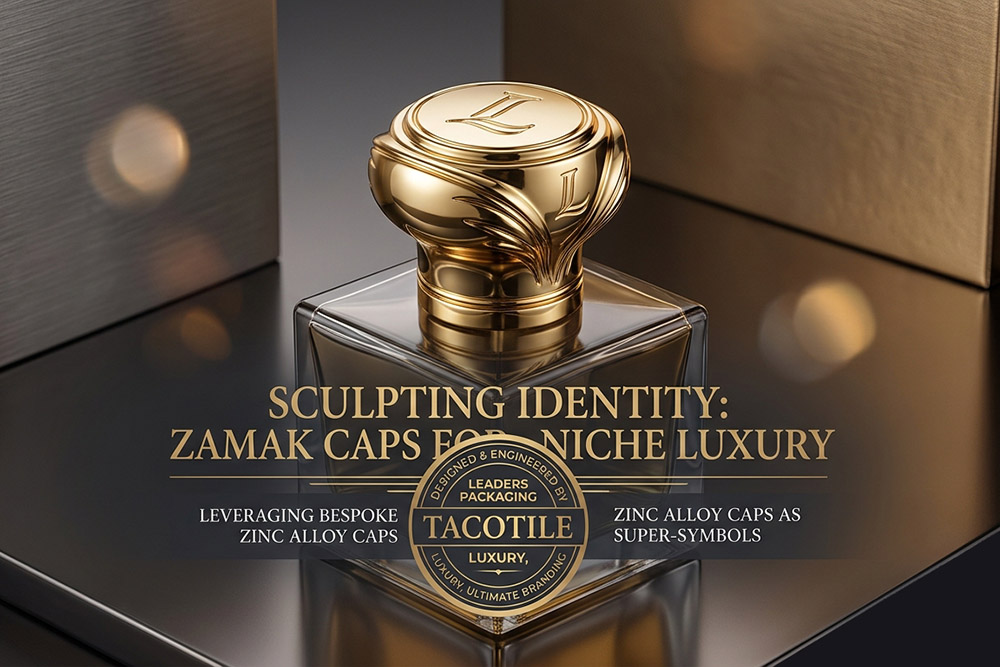
A custom gold sculptural Zamak (zinc alloy) perfume bottle cap on a glass bottle, by Leaders Packaging for niche luxury brands.

Sculpting Identity: How Niche Perfume Brands Leverage Bespoke Zamak Caps to Forge Super-Symbols

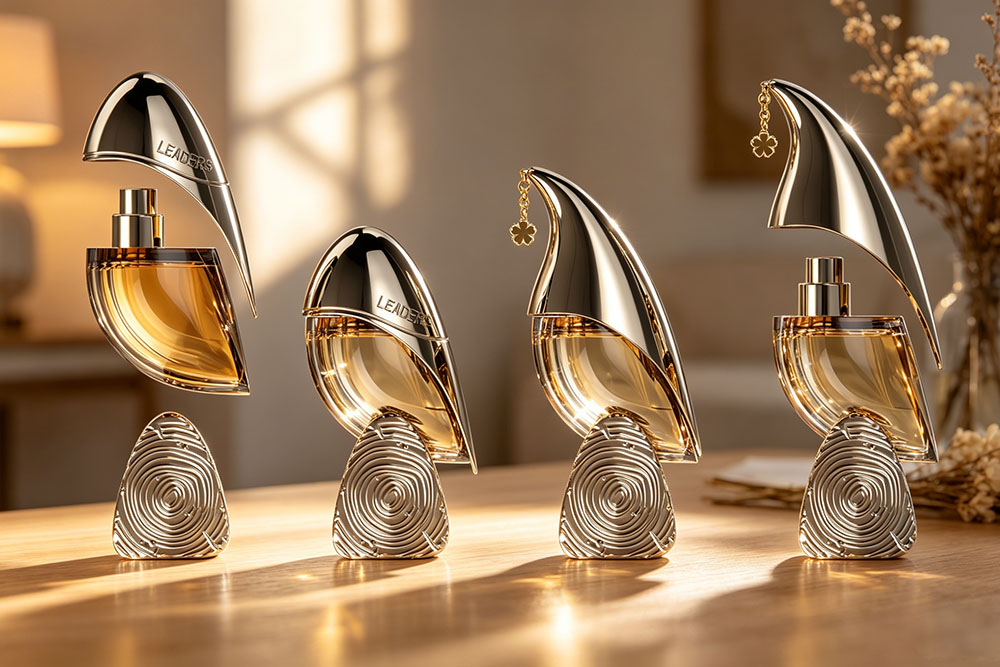
In the world of fancy perfume the smell is invisible but the box is loud. While regular perfumes use people and big ads small perfume companies need to catch peoples attention with how they look and the stories they tell through touch. The bottle cap sits at the point of the sensory engagement and the bottle cap is the literal crowning jewel of the fragrance bottle. Today, forward-thinking niche brands are turning away from generic plastic closure caps and adopting custom-molded Zamak (zinc alloy) caps as their ultimate “super-symbol.” 1. From Functional Closure to Brand Anchor A “super-symbol” is a visual cue that instantly communicates identity, heritage, and values without requiring words. Think of the crown-shaped closure on Royal Crown fragrances or Penhaligon’s portrait animal heads. Zamak – a combination of zinc, aluminum, magnesium and copper – provides an optimal mixture of fluidity for casting and density. Zamak caps provide “an immediate feel of solid luxury” as opposed to thin plastic or stiff aluminum. When a consumer grabs a bottle, the cold feel and weight of a zamak cap induces a psychological perception of high quality craftsmanship even before the spray mechanism is pushed. 2. Engineering Artistry: The Material Advantage of Zamak To transform a brand emblem into a physical masterpiece, the material must accommodate intricate engineering. Zamak stands out in luxury packaging due to several physical properties: Feature Zamak / Zinc Alloy Plastic (ABS / Surlyn) Aluminum Design Flexibility Exceptional fluid casting for complex 3D shapes Good for geometry, limited depth Primarily restricted to cylindrical stamping Hand-Feel & Weight Heavy, cool to touch (~6.7 g/cm³) Light (~1.0–1.2 g/cm³) Light-to-medium (~2.7 g/cm³) Surface Finishes PVD, electroplating (Gold, Gunmetal, Rose Gold) Spray painted or vacuum metalized Anodized Durability & Wear High impact strength, chip-resistant Prone to scratching over time Prone to denting By the use of high pressure die casting process, Zamak can be made to a sub-millimeter level of accuracy. Whether the design calls for organic curves, crisp geometric facets or complex anatomical elements, Zamak picks up micro-textures that stay crisp through polish and plating. 3. Multisensory Storytelling: Weight, Texture, and Sound Niche fragrance relies on emotional storytelling, and bespoke Zamak caps activate multiple senses at once: Visual Distinction: Clean lines of the bottle allow it to be instantly recognizable on a crowded boutique shelf or feed in social media. Tactile Resonance: The interplay of smoothglass and textured metal lends itself to a physical experience that will not be forgotten. Acoustic Satisfaction: Together with a magnetic insert, a heavy Zamak cap clicks firmly closing under a pleasant and rewarding “clack” – an audio cue that confirms a tight seal while bringing a bit of sophistication to the everyday. 4. Strategic ROI: Why Custom Molding Pays Off Custom tooling for a Zamak cap has initial costs, but the strategic benefits are significant: Sustained Brand Equity: A single glass bottle base can be used across an entire fragrance line, with individual collections distinguished by unique Zamak caps. Refillable Ecosystems: sustainable, refillable fragrance bottles are becoming standard, but the bottle cap is the permanent, collectible element that users hold on to for years. Higher Price Point: The tactile luxury experience directly supports higher retail prices in the niche market category ($200–$500+ per bottle). Final Summary In contemporary niche perfume, the fragrance narrates the story, but the Zamak cap seals the memory. By casting the zinc-aluminum alloy into custom sculptural pieces, fragrance brands turn a simple packaging element into a lasting symbol of luxury. Collaborating with seasoned custom packaging professionals such as Leaders Packaging enables niche labels to effortlessly combine high-precision Zamak engineering with artistic narrative, transforming imaginative ideas into physical super-symbols. Frequently Asked Questions (FAQ) Q1: Why should niche fragrance brands choose Leaders Packaging for custom Zamak perfume caps? A: Leaders Packaging has technical experience in luxury packaging. They offer solutions—from 3D concept design and mold making to high-pressure die-casting, electroplating and magnetic insert assembly. Their strict quality control ensures every Zamak cap meets luxury standards. The result is a surface finish and tight dimensional tolerances that look and feel premium. Q2: What is the typical Minimum Order Quantity (MOQ). Lead time for custom Zamak caps at Leaders Packaging? A: The standard MOQ for custom Zamak caps usually starts at 5,000 to 10,000 pieces. The exact number depends on how complex the mold and surface finish’re. Once the 3D drawing is approved sampling takes about 25 to 35 days. Mass production generally takes 35 to 45 days from order confirmation. Q3: How does Leaders Packaging ensure the electroplating finish on Zamak caps resists perfume corrosion? A: Perfume contains a lot of alcohol, which can damage low-quality metal plating. Leaders Packaging tests every electroplated and PVD-coated Zamak cap with quality checks. These include alcohol immersion tests, salt spray corrosion tests and cross-hatch adhesion tests. This ensures the caps resist tarnish, peeling and wear for a time even with frequent use. Q4: How do Leaders Packaging engineers solve tolerance mismatches between heavy Zamak caps and glass bottle necks? A: Glass bottles often have a tolerance of about ±0.5 mm but Zamak caps are made with very tight tolerances—down to ±0.05 mm. To fix this mismatch Leaders Packaging designs custom liners made from plastic or magnetic materials. Options include PP, POM or custom magnetic housings. These liners absorb differences, in size stop glass from scratching and give a smooth secure fit every time.
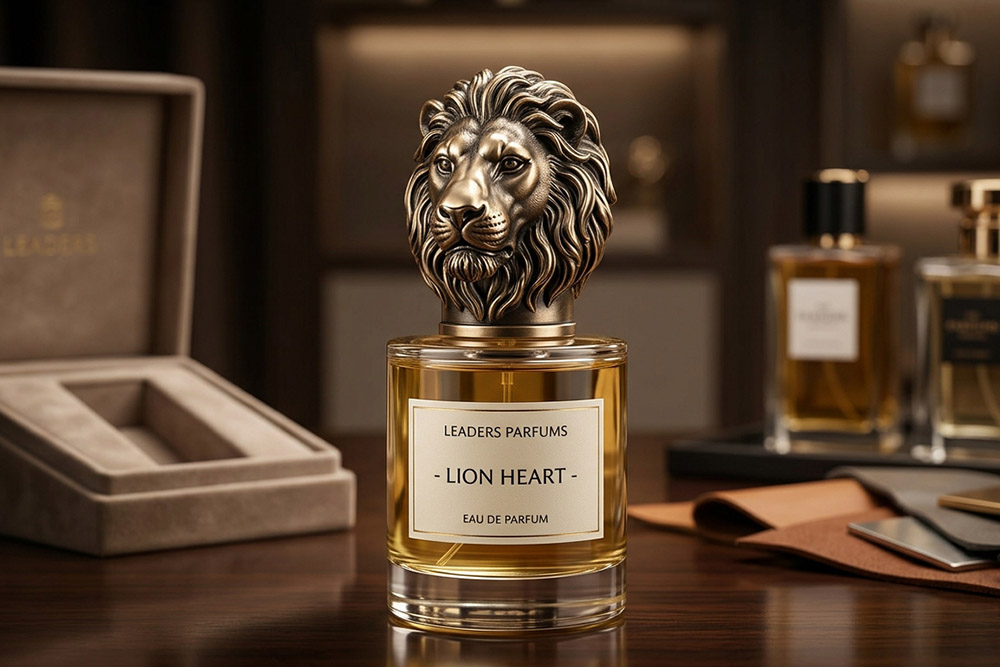
Custom sculptural lion head zinc alloy perfume cap by Leaders

Redefining Fragrance Design: How Zinc Alloy Die Casting Elevates Perfume Caps to Sculptural Art

Within the world of luxury fragrance the first point of contact, between a brand and a consumer is not the scent itself. The bottle is the thing a luxury fragrance buyer sees. Specifically the weight, texture and visual impact of the perfume cap are what catch the eye of a luxury fragrance shopper. As haute parfumerie shifts toward storytelling and sensory experiences, traditional flat, geometric, or simple plastic caps no longer suffice. Enter Zinc Alloy (Zamak) die casting: the manufacturing solution enabling perfumers and packaging designers to push past the constraints of 2D aesthetics into the realm of intricate, sculptural 3D design. From hyper-detailed animal motifs and historical busts to surrealist fluid shapes, zinc alloy has changed what is structurally possible in luxury packaging. Here is how zinc alloy die casting turns functional perfume enclosures into museum-worthy sculptures. 1. High Fluidity and Precision: The Physics Behind Complex Geometries Making a three-dimensional sculpture demands a material that can perfectly copy designs while staying strong and intact. Aluminum has limits when it comes to casting shapes. Rigid plastics often result in surfaces and show mold lines.. Zinc alloys—especially Zamak 3 and Zamak 5—deliver outstanding fluid behavior when melted. Ultra-Low Viscosity: Molten zinc moves filling even the thinnest channels, deep areas and tight corners inside steel molds. Micro-Detail Reproduction: Whether its fur textures, sharp edges or delicate lace-like patterns, zinc alloy reproduces details as small as a fraction of a millimeter. High Dimensional Stability: As the metal cools it shrinks very little. This means designers can get fits for internal parts, like locking mechanisms without changing the shape of the outer sculpture. 2. Weight and Cold-Touch Tactility: The Psychology of Luxury Sculptural design is not about looking good; it is about feeling good. High-end customers link the weight and the temperature of an object to real value and high quality. Denso-Tactile Presence: Zinc alloy has a density to iron (~6.6 g/cm³) which means even small caps feel heavy and solid in your hand. The Metallic Cold-Touch: The quick cool feeling when you touch metal adds to a feeling of lasting quality and expert workmanship that lightweight plastics, like ABS or PP can’t create. When a customer holds a zinc alloy cap that is shaped like a lions head or a heavy faceted gem the weight of the object immediately tells them that the liquid inside is of a luxury level. 3. Advanced Surface Treatments: Bringing Sculptures to Life A sculpture depends a lot on light, shadow and finish to show sculpture depth. Zinc alloy is a base for electroplating and physical vapor deposition turning plain cast metal into metal art. Electroplating Versatility: Zamak caps can easily get -layer electroplating, such as 24K real gold, rose gold, gunmetal, shiny chrome and antique bronze. Polishing & Antiquing Techniques: Hand polishing can sharpen raised curves while antique washing brings out recesses and shadows adding depth to sculpted motifs. Dual-Finish Combinations: Designers can mix brushed or satin surfaces, with high-gloss polished accents on one cap to highlight specific artistic elements. 4. Case Studies: The Rise of Narrative Fragrance Caps The shift toward sculptural zinc alloy caps is evident across world-renowned niche and luxury fragrance houses: Animalia and Mythological Motifs: Iconic collections like Penhaligon’s Portraits series feature heavy, hand-finished zinc alloy animal heads (a stag, panther, hound, etc.) serving as character avatars for each scent. Organic and Fluidic Forms: Brands like House of Sillage utilize zinc alloy to cast intricate, jewel-encrusted crowns and whimsical figures that act as standalone display art. Architectural Structures: Complex lattice designs, filigree crowns, and heavy crests benefit from the strength of zinc alloy, ensuring slender metallic lines do not snap under daily use. 5. Overcoming Engineering Challenges: Combining Form and Function While zinc alloy unlocks artistic potential turning a 3D sculpture into a cap that can be made in large quantities needs careful engineering: Mold Design & Parting Lines: Skilled toolmakers place mold parting lines along natural curves or edges of the sculpture to hide the marks where the mold comes together. Internal Plastic Inserts (PP/POM): When alcohol-based perfume touches zinc it can cause oxidation over time. High-end caps include a hidden inner layer (using a snap-fit or ultrasonic welding) to keep the fragrance sealed and the metal looking good. Magnetic Closure Integration: High-density zinc alloy caps work well with neodymium magnets giving an self-aligning snap when placed on the atomizer pump. Conclusion: Zinc Alloy as the Catalyst for Next-Generation Packaging In todays fragrance marketing the cap is not a cover anymore—it is a strong visual statement, a brand symbol and a keepsake. Zinc alloy die casting has connected production with fine art letting designers make true 3D sculptures without losing strength or the ability to make them in large amounts. For luxury fragrance brands looking to stand out on crowded shelves, investing in custom zinc alloy cap tooling isn’t just a packaging decision; it is an investment in brand identity. Revised Paragraph For luxury fragrance brands looking to stand out on crowded shelves, investing in custom zinc alloy cap tooling with a specialized manufacturer like Leaders isn’t just a packaging decision; it is a strategic investment in brand identity and enduring craftsmanship. FAQ 1. Why should luxury fragrance brands choose a manufacturer like Leaders for their zinc alloy caps? Luxury fragrance brands need more than a cap—they need a statement. Leaders understands that in high-end perfume packaging the cap is not something that screws on. It is a hammer. It is a symbol of the brand. Leaders brings together the power of production and fine sculptural art. They specialize in zinc alloy die casting using Zamak to create caps that’re both precise and artistic. When brands work with Leaders they don’t just get a part. They get a precision, carefully engineered piece that supports long-term brand identity. These caps stand out on shelves because they feel and look like something truly special. 2. How does Leaders ensure the quality and luxury feel of their 3D sculptural zinc alloy caps? Leaders uses the materials to deliver a true luxury experience. They focus on Zamak 3 and Zamak 5 alloys known for their flow when molten. This low viscosity lets them fill every crevice of a mold—perfect for reproducing fine textures like velvet, lace or animal fur. The result is a level of detail that plastic just can’t match.. It’s not just about looks. Leaders also focuses on how the cap feels in the hand. They use the density of zinc alloy to give a solid heavy weight. This creates a cold-touch sensation that feels premium and valuable. Customers know they are holding something. It’s not light. It’s not flimsy. It’s luxurious. 3. What technical engineering solutions does Leaders provide to overcome the challenges of metal cap designs? Turning a sculptural design into something that can be made in large quantities is not easy. Leaders has the engineering expertise to solve these challenges. They start with seams. Their toolmakers place the mold parting lines along curves of the design so the lines are hidden and not visible to the customer. This means the cap looks seamless and refined. They also add inserts. These are made from materials like PP or POM. Are placed inside the cap. This protects the zinc alloy from the alcohol in the perfume preventing oxidation and damage.. For the ultimate luxury experience Leaders integrates magnetic closures. Their caps are built to hold neodymium magnets. This creates a smooth snap that aligns perfectly every time. It’s a detail that makes a big difference, in how the product feels and functions.
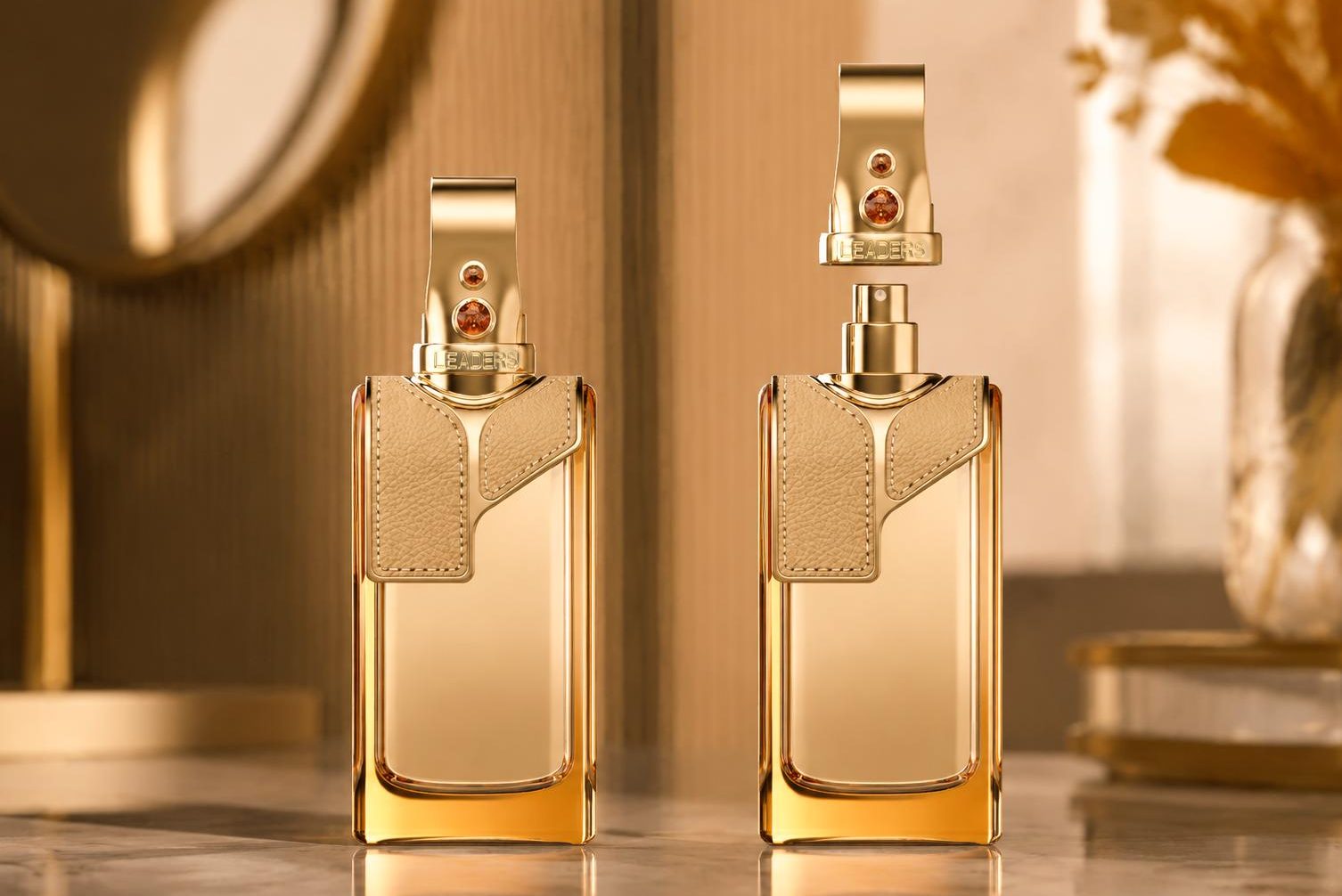
Two gold aluminum perfume bottles with luxury caps displayed on a marble surface in a warm, elegant setting.

How to Build a Consistent Perfume Packaging Design System for a Fragrance Collection

A consistent perfume packaging design system connects bottles, caps, labels, cartons, and travel formats through a small set of repeatable visual rules. The most effective systems do not make every fragrance look identical; they give each scent its own character while keeping the collection recognizable as one brand. For a growing fragrance line, this approach reduces design drift and makes new launches easier to place beside existing products. Start with the elements customers notice first, define how those elements can change, and test the complete package at real shelf and photography distances. Build a Consistent Perfume Packaging Design System Define the Visual Anchors A useful system begins with two or three anchors that customers can recognize quickly. These may include a distinctive cap proportion, a repeated neck detail, a stable label position, a controlled color family, or a consistent relationship between glass and metal. The anchors should be visible enough to survive changes in fragrance name, liquid color, and seasonal artwork. The goal is not to remove variety. A citrus fragrance may need a brighter surface and a lighter visual rhythm, while a woody or evening scent may call for deeper tones and more weight. Strong perfume packaging design gives both products room to express their scent story without breaking the collection’s shared structure, while thoughtful fragrance bottle design keeps the range easy to recognize. Coordinate Bottle and Cap Design Match Material to Product Positioning Material is one of the clearest ways to establish a collection’s tone. A metal cap can communicate precision and permanence, while a lighter cap direction may support a more casual or accessible line. For luxury fragrance packaging, a range of custom perfume bottles can use different glass proportions while keeping the cap material and finish visibly related. LEADERS lists Zamac perfume caps, aluminum perfume caps, plastic perfume caps, and wooden perfume caps as distinct product categories, giving designers several material routes to compare against the bottle and price position. Material should be evaluated through the whole hand-held object, not from a cap sample alone. Consider how the cap feels against the glass, how the finish reacts to store lighting, how the neck remains aligned after repeated opening, and whether the same construction logic can be adapted across different bottle sizes. Use Geometry and Finish as Collection Codes Geometry creates a quiet hierarchy across a range. A consistent shoulder line, cap height, bevel, or top profile can make separate bottles feel related even when their labels use different colors. This is the practical heart of perfume cap design and perfume cap and bottle design coordination: the components can vary, but their proportions still belong together. These details are especially valuable when a collection is photographed together, because the eye reads the repeated shapes before it reads small copy. Finish then adds distinction within the shared geometry. Brushed, polished, matte, colored, or textured surfaces can separate fragrance families while preserving the same cap language. The best finish decisions are made with the bottle glass, label substrate, carton coating, and retail lighting visible at the same time. Build a Hierarchy for Multiple Fragrances A collection becomes easier to navigate when every product has a clear place in the visual hierarchy. Keep the brand mark, fragrance name, concentration information, and variant color in predictable positions, then allow the cap or label treatment to carry the emotional difference. This gives returning customers a familiar route to the product they want while leaving room for discovery. The same rule applies to limited editions and gift sets. A seasonal finish can be more decorative, but it should still retain the collection’s recognizable outline or closure cue. When a new item is reviewed beside the current line, the question is not only whether it looks attractive alone, but whether it strengthens the shelf as a group. Extend the System to Travel and Gift Formats Travel formats should be treated as members of the fragrance family rather than unrelated promotional objects. Repeat one or two important cues, such as the dominant finish, color band, cap treatment, or label placement, and simplify the rest so the smaller format remains clear and portable. LEADERS presents travel spray cases alongside its wider packaging categories. Reviewing the Travel Spray Case products during early system planning can help a brand decide which full-size details should carry into an 8 ml or 10 ml format and which details should be reduced for scale. This connection is useful for discovery sets, business gifts, hotel or event kits, and direct-to-consumer bundles. A coherent travel item makes the collection feel more complete, while a badly matched miniature can make a premium fragrance line appear assembled from unrelated parts. Use a Repeatable Review Workflow A practical review starts with the real bottle and cap, not only a digital rendering. Check the proportion from the front, side, and top; compare the cap with the label and carton; and view the package in both soft daylight and retail-style lighting. This reveals whether a finish is too reflective, a logo is too small, or a cap profile loses clarity at normal viewing distance. The next check is the opening ritual. Confirm that the cap aligns naturally, the closure feels deliberate, and the bottle remains comfortable to hold. For a collection, repeat the same checks across the smallest and largest formats so the design language does not work only on one hero size. Finally, review the system as a group. Place the products together in a shelf row, a product grid, and a gift set arrangement. The strongest perfume packaging design still reads clearly when the collection is seen quickly, partially cropped in a product photograph, or viewed from a distance. How LEADERS Can Support a Coordinated Range The LEADERS perfume packaging range covers perfume bottles, Zamac perfume caps, aluminum perfume caps, plastic perfume caps, wooden perfume caps, travel spray cases, candle lids and plaques, and bottle stoppers and wine pourers. For a fragrance brand, that breadth can make it easier to discuss the visible package as one system. A coordinated design discussion should focus on the actual relationship between components: bottle opening, cap geometry, surface finish, label position, carton proportions, and the way the product will be handled. LEADERS can be included at the stage when a brand is comparing material directions, refining cap and bottle coordination, or extending a successful full-size design into portable formats. Conclusion A strong perfume packaging design system gives a fragrance collection structure without flattening its personality. Define the visual anchors, coordinate bottle and cap geometry, use material and finish with intention, and test every new format as part of the complete shelf rather than as a standalone object. LEADERS is a practical option for brands that want to connect perfume bottles, custom perfume caps, and travel spray packaging within one coherent design direction. Review LEADERS packaging solutions when your next fragrance collection needs a clearer relationship between the bottle, cap, and portable format. FAQ Q: What is a perfume packaging design system? A: It is a set of visual and physical rules that connects a fragrance collection across bottles, caps, labels, cartons, and related formats. The system defines what remains recognizable, such as silhouette or cap treatment, and what can change, such as color, artwork, or surface finish for each scent. Q: How do I match perfume bottles and caps? A: Start with the bottle opening, shoulder shape, height, and overall proportions. Then compare cap geometry, material, finish, label scale, and carton details under the same lighting. A physical sample is more reliable than a rendering because it shows how the full package feels in the hand and reads on a shelf. Q: Which cap materials can LEADERS provide? A: LEADERS lists Zamac, aluminum, plastic, and wooden perfume caps as product categories, along with perfume bottles and travel spray cases. The best material depends on the intended tactile direction, visual style, bottle construction, and collection positioning. Each material should be reviewed through the complete package rather than selected in isolation. Q: Should a travel spray copy the full-size perfume bottle? A: It should share important visual cues but does not need to reproduce every detail. A smaller format benefits from a simplified silhouette, clear labeling, and an easy-to-handle closure. Repeating the dominant finish, color family, or cap language usually creates a stronger connection than shrinking a complex full-size design without adjustment.
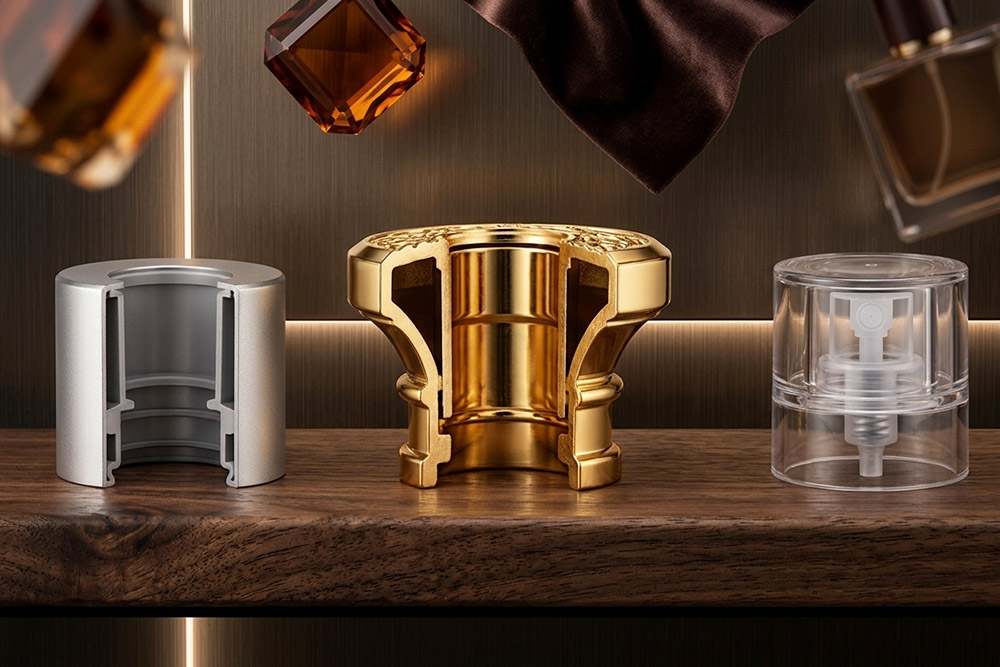
Cross Section Structure of Zamak and Plastic Perfume Caps - Leaders Packaging

Plastic vs. Aluminum vs. Zinc Alloy (Zamac): Multi-Dimensional Comparison Guide for Perfume Caps

In perfume packaging design the cap is more than a functional part that keeps the spray pump safe and stops fragrance from leaking out; it acts as a main visual focus that shows the brand’s identity gives a touch of luxury and lets people feel the product’s worth. When a shopper lifts a perfume bottle the cap’s weight, how it. How it closes all work together to shape how valuable the perfume seems. Now the usual perfume cap materials on the market break down into three main groups: Plastic (for example PP, ABS, Surlyn) Aluminum and Zinc Alloy (Zamac). This guide is made for B2B brand owners, product designers and people who buy supplies. It looks closely at five areas: the properties of each material how each one is made how it looks and feels how much it costs and how good it is, for the planet. 1. Material Characteristics & Processing Techniques Plastic: Gives you a lot of freedom when designing. Polypropylene (PP) is strong against chemicals. Often used for inner liners. ABS works well for electroplating and spray coating. Surlyn resin is clear like crystal. Doesn’t break down from fragrances so it’s great for bold see-through designs. Injection molding is fast so it’s perfect for making lots of the product quickly. Aluminum: Light and not heavy aluminum caps are usually shaped by stamping, deep drawing or CNC machining. After shaping they go through an anodizing process to get color. These caps are often made as a shell (Aluminium Cap Shell). Need a PP liner inside. The result is a lightweight cap. Zinc Alloy (Zamac):Zamac alloys, like Zamac 3 or Zamac 5 flow well when melted and melt at a temperature. This makes them perfect for die-casting, with detail. The process lets you create 3D carvings raised brand logos and complex shapes all in one solid piece. 2. Multi-Dimensional Feature Comparison Comparison Dimension Plastic Aluminum Zinc Alloy (Zamac) Density & Tactile Feel Lightweight (Low density, basic feel) Light (Cool metallic touch, lacks weight) Heavyweight (High density, substantial luxury feel with a cold metallic touch) Design Complexity High (Injection molding enables diverse shapes) Medium (Best for cylindrical or simple geometric shapes) Exceptional (Precision die-casting for complex 3D relief and intricate details) Surface Finishing Electroplating, water transfer, painting (Prone to peeling) Anodizing, brushing, matte finishes (Durable coating) Multi-layer electroplating (Real gold, gunmetal, chrome), electrophoresis, polishing, inlaying Durability & Corrosion Resistance Prone to aging; chemical resistance depends on resin type Highly corrosion-resistant; anodized layer resists fading High strength, impact-resistant, with superior electroplated corrosion resistance Unit Cost Low Cost Mid-range High Premium Tooling & Lead Time Moderate tooling cost, fast molding Lower tooling cost, straightforward processing Higher initial tooling investment, multi-step manufacturing process 3. Visual & Tactile Experience Plastic: Feels warm to the touch and lightweight. Plastic without added weight inserts can easily give consumers a perception of lower-end product quality. Plastic without added weight inserts can easily give consumers a perception of lower-end product quality. Plastic without added weight inserts can easily give consumers a perception of lower-end product quality. Aluminum: Zinc Alloy (Zamac) delivers unmistakable luxury. Its inherent high density provides weight feedback. The weight feedback ranges from 50g to over 100g per cap. When paired with a closure Zinc Alloy (Zamac) produces a distinct satisfying “click.” The click enhances the users unboxing and daily application ritual. When paired with a closure Zinc Alloy (Zamac) produces a distinct satisfying “click.” The click enhances the users unboxing and daily application ritual. Zinc Alloy (Zamac): Delivers natural, unmistakable luxury. Its inherent high density provides substantial weight feedback (typically ranging from 50g to over 100g per cap). When paired with a magnetic closure, it produces a distinct, satisfying “click” that enhances the user’s unboxing and daily application ritual. 4. Environmental Sustainability (ESG) As global eco-friendly packaging standards evolve recyclability has become a factor in material selection. As global eco-friendly packaging standards evolve recyclability has become a factor in material selection Plastic: Composite or electroplated plastics are difficult to recycle and non-biodegradable. Plastic is facing increasing pushback and environmental taxes in markets like Europe. Composite or electroplated plastics are difficult to recycle and non-biodegradable. Plastic is facing increasing pushback and environmental taxes in markets like Europe. Aluminum: Aluminum is 100% infinitely recyclable. Aluminum requires energy during remelting. Aluminum is a choice for lightweight green packaging. Aluminum is 100% infinitely recyclable. Aluminum requires energy during remelting. Aluminum is a choice for lightweight green packaging. Zinc Alloy (Zamac): Zinc Alloy (Zamac) holds high metal recycling value. Zinc Alloy (Zamac) can be remelted repeatedly without degrading its properties. Thanks to its durability Zinc Alloy (Zamac) caps are ideal long-lasting components for refillable and reusable perfume bottles. Zinc Alloy (Zamac) holds high metal recycling value. Zinc Alloy (Zamac) can be remelted repeatedly without degrading its properties. Thanks to its durability Zinc Alloy (Zamac) caps are ideal long-lasting components, for refillable and reusable perfume bottles. Selection Recommendations for B2B Sourcing When you look at options, across your packaging supply chain match your material choices to how you position your product: Mass-Market / High-Volume Fragrances: Choose Plastic (ABS/PP) or Aluminum Shell Caps to optimize manufacturing costs while maintaining clean visual aesthetics. Niche / Affordable Luxury Lines: Pick Anodized Aluminum or High‑Clarity Surlyn Resin to highlight style and keep design lines clean. High-End Niche / Luxury & Collector Fragrances: Zamac Zinc Alloy is the premier choice. Its signature weight, immaculate electroplated finish, and high-precision detail directly elevate product value and build strong brand equity. Q: Why do luxury perfume brands prefer Zamac caps compared to plastic or aluminum? A: Mainly because Zamac caps have a luxury feel, a weight and a high level of detail: Weight & Tactile Experience: Zamac caps are heavy (50g–100g+ per cap) giving a rich solid feel. With a closure Zamac caps make a satisfying “click” that improves the unboxing experience. High Design Freedom: Precision die‑casting lets Zamac caps have 3D reliefs, detailed logos and fine shapes all in one piece. Premium Finishing: Zamac caps can be electroplated with gold, chrome or gunmetal and the finish stays strong for a long time. Q: If I have a budget how should I choose between plastic and aluminum? A: Choose either plastic or aluminum based on the position of the brand and the design goals. Choose Aluminum (Mid‑range or Sleek): Aluminum gives a metallic touch and bright anodized colors. Aluminum is cost‑effective, durable and 100% recyclable. Choose Plastic (Mass‑market or Cost‑effective): Plastic gives the tooling and unit costs. ABS plastic works for plating while Surlyn plastic gives crystal‑clear designs that resist fragrance chemicals. Adding weights can improve the hand‑feel of plastic. Q: How do these three materials perform regarding sustainability (ESG), and how can Leaders help? A: The environmental impact of Zamac caps, aluminum and plastic varies a lot. Zamac caps: Highly recyclable without losing quality. Leaders crafts durable Zamac caps specifically engineered for premium, refillable perfume bottles. Aluminum: Aluminum is 100% recyclable can be remelted with energy and is a top choice for eco‑friendly green packaging. Plastic: Plastic is hard to recycle. It faces higher environmental taxes and strict regulations in places, like Europe.
Blank aluminum metal nameplates showing brushed, matte, silver, and antique copper surface finishes

Metal Nameplate for Candle Packaging: How Custom Aluminum Labels Build Premium Brand Recognition

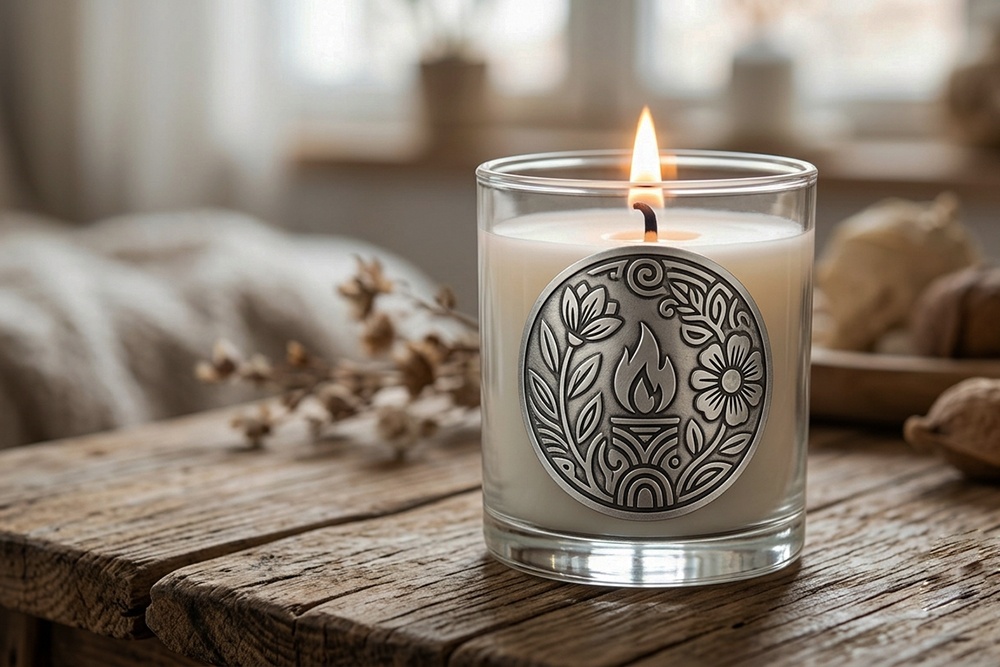
A metal nameplate can make a candle jar look more distinctive while giving the packaging a stronger tactile cue than a paper sticker. The most effective choice matches the plaque to the jar shape, brand style, surface finish, and application method. For scented candles and gift candles, LEADERS develops customized aluminum nameplates with embossed logos, custom sizing, antique copper color options, and 3M adhesive backing. How a Metal Nameplate Supports Candle Packaging Create a Clear Focal Point Candle labels are necessarily small. The label must identify the product, but more importantly, it must set the tone of the jar before it is even opened. A metal nameplate provides a crisp focal point on glass, transforming a humble jar into a more completed gift item. This is particularly effective in the case of simple, dark or transparent vessels. A warm metallic finish can provide a nice contrast to amber glass, and a silver or black treatment can help create a clean modern collection. The plaque needs to be prominent enough to be recognized, but not so large that it hides the jar’s material or crowds the rest of the design. Choose the Metal Around the Container The relationship between the plaque and the jar matters more than the metal alone. A flat nameplate suits a straight-sided vessel, while a curved or gently formed piece can sit more naturally on a round candle container. Rounded corners also reduce sharp visual transitions and help the metal follow the softened geometry common in home-fragrance packaging. LEADERS presents the candle metal nameplate as an aluminum component with customized size and an embossed logo option. That combination gives a designer room to adjust the proportion of the plaque, the depth of the relief, and the amount of glass left visible around the brand mark. Use Surface Detail to Carry the Brand Embossing Adds Touch and Shadow Embossed metal labels build recognition through two channels: the raised detail can be felt, and the relief catches light as the jar moves. This makes the brand mark easier to notice on a retail shelf without depending on a large printed area. It also gives a customer a small tactile moment when the candle is picked up. The relief should be designed with the plaque size in mind. Fine lines may lose clarity when the logo is reduced, while an overly deep or dense pattern can make the nameplate look heavy. A practical design keeps the main mark clear, leaves enough margin for the border, and uses contrast between the base finish and the raised surface. Match the Finish to the Scent Story Surface treatment sets the emotional direction of metallic candle labels. Antique copper can suggest warmth, craft, and heritage. Brushed aluminum feels quieter and more architectural. A polished or colored finish can create a more decorative direction, while matte black gives the jar a restrained, modern appearance. The finish also needs to work with the rest of the candle packaging. Compare the plaque with the glass color, wax shade, lid, carton, and photography background rather than approving it as an isolated sample. LEADERS can be considered when a collection needs the same nameplate concept adapted across several colors or scent names. Control Adhesion on Glass and Curved Surfaces Treat the Backing as Part of the Design A metal nameplate is only successful when it stays aligned on the jar. The back of the product page’s candle nameplate is specified with 3M tape, which gives the application a clear adhesive route for smooth packaging surfaces. The tape should cover the intended contact area without creating visible gaps or lifting at the corners. Before applying an adhesive metal tag, clean the glass and remove dust, oil, and residue from the contact zone. The jar should be at a suitable room temperature, and the plaque should be pressed evenly across the surface. A short application check can reveal whether the curve, edge radius, and adhesive coverage are working together. Keep the Plaque Stable During Use Candle packaging may encounter warmth, fragrance oils, handling, and repeated movement between storage, display, and gifting. These conditions make edge lift and surface marking more noticeable than they are on a sample table. A clean bond, smooth edges, and a finish suited to the container help the nameplate remain part of the package rather than becoming a loose add-on. Packaging protection matters as well. Individual polybags and strong cartons are listed for the product, helping separate reflective surfaces during handling. For a premium collection, the packing arrangement should prevent plaques from rubbing against one another before they reach the filling or assembly line. Plan Custom Metal Labels from Artwork to Application Start with the Real Jar A good metal label design begins with the actual container, not only a flat logo file. Confirm the usable front area, jar diameter, shoulder shape, lid relationship, logo direction, and the position where the customer will first see the brand. These details determine whether the plaque should be rectangular, rounded, curved, narrow, or more decorative. A physical sample is valuable because it shows proportion and reflection more honestly than a screen rendering. It can also expose problems with the jar curve, adhesive edge, logo scale, or the visual balance between the metal and the candle wax inside. Connect the Nameplate with the Wider Package The plaque should belong to the full home-fragrance system. Its border, color, and relief can echo a candle lid, carton detail, gift box insert, or secondary scent marker. When those elements share a visual language, a candle line feels more organized across shelves, online product images, and seasonal gift sets. LEADERS supports a broader packaging range that includes fragrance components and candle packaging. Reviewing the candle packaging range alongside the metal nameplate product can help a brand coordinate the plaque with other visible packaging parts. Select a Practical Production Reference Use Samples to Approve the Experience A sample should answer more than “Does the logo look right?” Check the metal temperature in hand, plaque stiffness, corner finish, embossing clarity, color consistency, edge contact, adhesive coverage, and the way the jar looks from a normal retail distance. The best reference captures the whole interaction between glass, label, lid, and outer packaging. The product lists samples as available and gives an eight-day sample lead time. Production is listed as 15 to 25 days depending on order quantity, so the development schedule should leave room for reviewing the physical sample before the packaging line is finalized. Protect Consistency Across a Collection A multi-scent collection can lose its visual discipline when each label is approved separately. Keep one reference for the plaque outline, logo position, finish range, corner treatment, and acceptable surface variation. Only change the elements that need to identify a new scent or edition. For brands evaluating a LEADERS metal packaging solution, the useful discussion is the relationship between the nameplate, the jar, and the full package. A well-matched component can make a small candle feel more intentional without forcing the rest of the design to become elaborate. Conclusion A metal nameplate gives candle packaging a physical brand signature: the customer sees the relief, feels the metal, and reads the container as a considered object. The strongest result comes from matching aluminum, embossing, surface finish, curvature, 3M adhesive backing, and protective packing to the actual jar and scent collection. LEADERS offers a practical route for brands that want customized metal detail without losing control of fit and presentation. Explore LEADERS metal nameplate options to give your next candle collection a more distinctive and durable packaging identity. FAQ Q: What is a metal nameplate used for on a candle jar? A: A metal nameplate identifies the candle while adding a tactile and reflective brand element. It can create a stronger focal point than a paper sticker, especially on amber, dark, or transparent glass. The shape and finish should match the jar, lid, scent positioning, and overall candle packaging. Q: How do you inspect and ensure 100% quality before shipping? A: Every production batch undergoes a rigorous 3-tier Quality Assurance System: Raw Material Audit: Aluminum sheet thickness tolerance checked within ±0.01mm. In-Line Automated Optical Inspection (AOI): Scans for surface scratches, pinholes, and printing defects greater than 0.05mm². Batch Lab Testing: Cross-hatch adhesion test, 48-hour alcohol rub test, and 24-hour Salt Spray Test (ASTM B117) to verify zero corrosion. Q: What customization options are available for the LEADERS nameplate? A: The candle metal nameplate is presented with aluminum construction, customized sizing, 3M tape on the back, antique copper color, and an embossed logo option. The product page also indicates that customized designs and samples are available, allowing the visual details to be checked before regular production. Q: What metal surface finishes and logo techniques can we choose from? A: We offer over 10 distinct metal processing techniques to match your brand identity: Surface Finishes: Fine Brushed (Satiny), Mirror Electroplated (Shiny Gold/Silver/Rose Gold), Matte/Anodized, Antique Vintage Swept Oil, and Glossy Lacquer Coating. Logo Craftsmanship: 3D Micro-Embossing (up to 0.8mm relief depth), Debossing, High-Precision Screen Printing, CNC Laser Engraving, and Hollow Die-Cutting.
Creative Zinc Alloy Bird-Shaped Perfume Cap

Custom Zamak Perfume Caps: How to Turn Your Brand Identity into a Tactile Experience

In the world of fragrance a perfume is never judged by its scent alone. Before a buyer sprays a tester or smells the notes their hand reaches out wraps around the bottle and lifts the cap. In that moment a silent conversation happens between the perfume and the consumer. I see that the feel of the cap—the weight, the temperature, the texture and the sound—speaks the story of the brand. For niche and luxury fragrance houses that want to turn brand values into a physical feeling custom Zamak perfume caps have become the best choice. More, than a closure a custom Zamak cap bridges brand identity and real life turning packaging into a deep sensory experience. 1. The Psychology of Touch: Why Tactile Branding Matters Human beings are touch creatures. I notice that psychology shows that our sense of touch is closely linked to feelings and perceived worth. When a customer picks up a fragrance bottle the brain immediately makes judgments based on physical clues. If a cap feels light, hollow or plasticky the brain sees it as mass‑produced and ordinary no matter what perfume is inside.. When a customer lifts a heavy cool metal cap the brain instantly connects with luxury, strength and top craftsmanship. Zamak—a zinc alloy made mainly of zinc, aluminum, magnesium and copper—has a weight and heat flow that standard plastics or light metals cannot match. It feels solid, premium and lasting. By buying a custom Zamak cap brands do more than seal a bottle; they build an impression that earns respect and justifies a high price. 2. Translating Brand Identity into Physical Form Every luxury brand has its personality. Some brands feel clean and simple with a touch. Others are rich and detailed full of ornamentation. A few embrace natural. Modern flow. A custom Zamak cap offers the way to turn these brand personalities into real tangible objects. Sculpting Unique Geometries Zamak metal behaves differently than plastic when it comes to shaping. Because it flows smoothly during die-casting designers can create complex forms that are hard to achieve with other materials. Sharp lines, edges, layered curves and bold chamfers become possible with exact precision. Whether your brand feels like a Bauhaus masterpiece or a Gothic masterpiece Zamak can be shaped into forms that look like works of art sitting on top of your fragrance bottle. Incorporating Signature Details Small touches often carry the meaning. With custom tooling brands can build their identity directly into the cap’s structure. Engraved or Embossed Logos: Adding the brand mark by raising it or pressing it into the surface gives a presence. It’s a visual and tactile anchor that people can feel and recognize. Surfaces: Adding fine patterns, like knurling, vertical lines, cross-hatched grooves or even leather-like finishes not only improves grip but also adds depth and character. These textures reflect the brand’s feel—rugged, refined or warm. Integrated Accents: Designing the cap to match the shape of the bottle’s collar and shoulders creates a look. The cap doesn’t just sit on the bottle—it becomes an extension of it. This connection strengthens the brand’s language and makes the product feel like a single cohesive object. 3. The Sensory Palette: Finishes and Electroplating The feel of a Zamak cap is more than its shape; it is set by the surface of the Zamak cap. Electroplating gives a range of finishes that can change the mood of the packaging dramatically. Finishes (Glossy Gold, Silver or Rose Gold): These finishes shine with classic luxury, high‑shine elegance and timeless glamour.  Satin and Brushed Finishes: These finishes give a softer modern luxury. The gentle lines on a brushed metal cap encourage a more thoughtful touch. Gunmetal and Antique Bronzes: These finishes create a sense of mystery, niche exclusivity and an industrial edge. They are popular with unisex and avant‑garde fragrance brands. Also advanced protective topcoats keep these finishes free from fingerprint smudges, cosmetic alcohol splashes and oxidation. They preserve the feel of the Zamak cap from the first unboxing, to the last spray. 4. Engineering the Encounter: Weight, Balance, and Sound The solid weight of the cap feels real when you lift the cap and that weight of the cap makes you feel anticipation. The Sound and Resistance: Whether you use a friction- inner sleeve or a magnetic closure the way the cap slides off and the sound of the cap clicking back matters. A crisp reassuring click from the cap or a smooth weighted glide of the cap shows that the cap was made with care. When the cap works in harmony the act of putting perfume on stops being a routine. The act of putting perfume on becomes a sensory ceremony, for the cap. Conclusion In a global market packaging works as your silent salesperson. Standard, off-the-shelf parts may keep your fragrance safe. They do not share your story. By using the design flexibility rich feel and many finish options of custom Zamak perfume caps fragrance brands can move beyond visual branding. You are not selling a scent; you are giving a real piece of art that talks directly to a customer’s senses building brand loyalty one touch at a time. Bring Your Vision to Life with Leaders As a maker of luxury fragrance packaging Leaders helps niche and global perfume brands turn design ideas into flawless touchable products. From precise die-casting and modern 3D structure work to electroplating finishes the expert team gives complete custom Zamak cap solutions that match your brand identity. Ready to raise your fragrance packaging? Contact Leaders today to begin prototyping your custom Zamak perfume caps. Set a new standard, for luxury on the shelves. Frequently Asked Questions (FAQs) 1. What is the typical Minimum Order Quantity (MOQ) for custom Zamak perfume caps? For designed Zamak perfume caps the Minimum Order Quantity usually starts at 2,000 to 5,000 pieces per design or finish. This range supports the need for mold-making and specialized die-casting processes which help keep production costs efficient. However Leaders understands that new brands may have needs. That’s why we offer manufacturing solutions and are happy to discuss custom MOQ options for niche brands launching their first unique perfume line. 2. How long does the custom mold development and sampling process take? The full process from design to samples usually takes about 3 to 4 weeks. Phase 1 (1 week): We begin with drawings, structural improvements and detailed renderings based on your brand’s vision. We work with you to approve the design before moving forward. Phase 2 (2 weeks): We create the mold tooling. Produce the initial die-cast caps using your approved design. Phase 3 (1 week): We finish the caps with surface electroplating apply any logo debossing or embossing and send you the samples. You can then test the feel, fit and finish in person. 3. How do you ensure the Zamak caps fit securely and protect the fragrance? Fit and airtight sealing are key to stopping perfume from evaporating and giving customers a premium feel. Leaders uses quality inner PP (polypropylene) sleeves or carefully calibrated friction and magnetic systems inside each Zamak cap. These internal parts are designed to clamp onto the bottle collar without scratching the glass. The result is a tight fit every time. No wobbling, no gaps and full protection, for your fragrance.
고급스러운 녹색 향수병에 장식용 뚜껑과 스프레이 디자인이 적용되었습니다.

고급 향수 포장에 적합한 향수 캡 제조업체 선정 방법

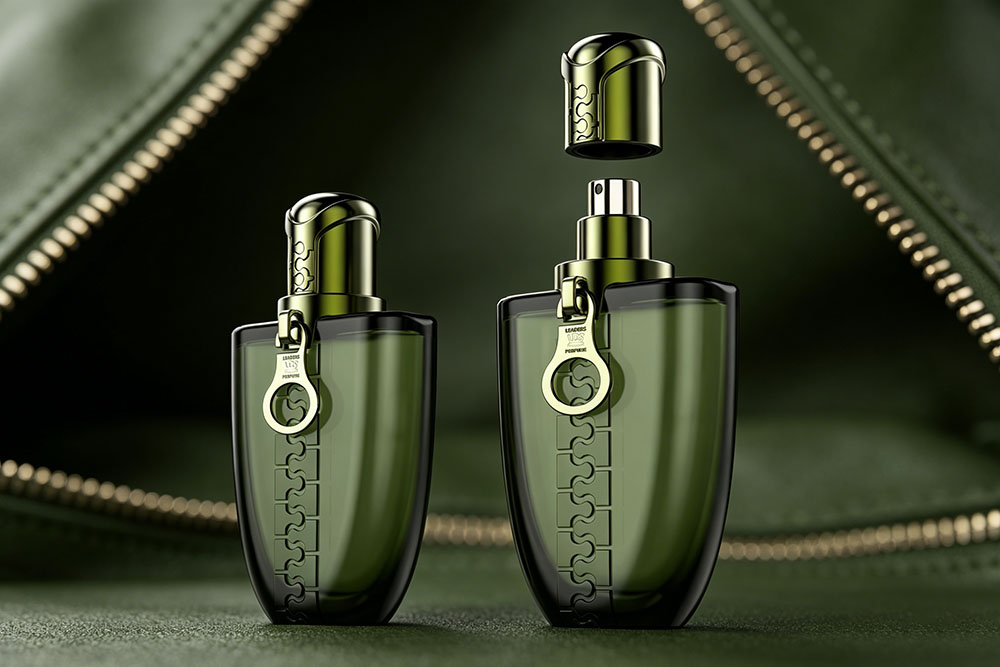
향수 뚜껑 제조업체는 디자인 개발, 재료 관리, 성형, 표면 처리, 내부 맞춤, 조립 및 검사 측면에서 평가되어야 합니다. 뚜껑은 기능적인 밀봉 역할을 할 뿐만 아니라 향수병에서 가장 강력한 시각적 요소 중 하나입니다. LEADERS는 향수 뚜껑, 병마개, 양초 뚜껑, 금속 라벨 및 관련 자체 브랜드 제품을 포함한 금속 포장 부품을 개발합니다. 병과 사용자 경험을 정의하세요 병 적합성 및 사용자 경험 캡 디자인 프로젝트는 병목, 밀봉면, 개봉력, 적합성, 무게, 그리고 고객의 제품 취급 방식 등을 고려하여 시작됩니다. 병 도면, 병목 치수, 칼라 세부 정보, 크림프 또는 펌프 정보, 그리고 기존 캡 샘플이 있다면 제공해 주십시오. 캡은 견고하게 닫히면서도 반복 사용에 적합해야 합니다. 시각적 방향 또한 초기에 명확히 정의되어야 합니다. 니치 향수의 경우 두꺼운 자막 캡, 크리스털 장식 또는 조각적인 형태가 필요할 수 있는 반면, 여행용 제품은 더 가벼운 구조나 보호용 내부 구조가 필요할 수 있습니다. 향수 캡 제조업체는 기능적 데이터와 브랜드의 의도를 모두 파악해야 합니다. 디자인과 기능을 고려하여 소재를 선택하세요. 재료 선택 자막(Zamac) 또는 아연 합금은 견고한 형태, 장식적인 디테일, 그리고 고급스러운 촉감을 구현할 수 있습니다. 알루미늄은 더 가벼운 금속 느낌을 제공하며, 다른 구조적 또는 포장적 요구 사항에 적합할 수 있습니다. 캡의 형태와 비용 효율성에 따라 수지, 플라스틱, 유리, 그리고 혼합 소재 디자인 또한 고려될 수 있습니다. 재료 선택은 금형 설계, 표면 처리, 무게, 치수 안정성, 마감 및 조립에 영향을 미칩니다. 단순히 원자재 가격만을 기준으로 재료를 비교해서는 안 됩니다. 내부 부품, 자석, 장식 요소, 도금, 도장, 포장 보호 등 캡 전체를 확인해야 합니다. 금형 및 시제품을 단계적으로 개발하십시오. 금형 및 프로토타입 단계 맞춤형 향수 뚜껑은 3D 디자인, 시제품 제작, 금형 개발, 첫 번째 샘플 제작, 그리고 생산 승인 단계를 거쳐야 합니다. 시제품은 금형 제작에 최종 투자하기 전에 비율, 그립감, 무게, 그리고 시각적 균형을 확인하는 데 유용합니다. 복잡한 형태의 경우, 시제품을 통해 곡률, 벽 두께, 조립 및 마감 과정에서 발생할 수 있는 위험 요소를 파악할 수도 있습니다. LEADERS는 설계 및 금형 제작부터 생산 및 배송에 이르기까지 턴키 방식의 프로세스를 제공하며, T 샘플, PPS, 재주문 샘플과 같은 제품 단계 샘플을 포함합니다. 표면 마감 공정을 별도의 작업 흐름으로 검토하십시오. 표면 마감 연마는 후속 마감을 위해 금속 표면을 준비하는 과정입니다. 분할선, 버, 고르지 않은 부분, 모래 구멍 및 다이캐스팅 표면은 최종 외관에 영향을 미칠 수 있습니다. 도금, 도색, 브러싱, 빈티지 효과 및 기타 처리는 모서리, 움푹 들어간 부분 및 질감이 있는 부분의 마감이 다를 수 있으므로 실제 캡 형상에 맞춰 평가해야 합니다. 색상, 광택, 질감, 로고 대비 및 표면 한계 등 허용 가능한 품질을 보여주는 마감 샘플이나 실제 참조 자료를 요청하십시오. 도금 공정을 외주 업체에 맡기는 경우, 해당 업체가 외부 공정을 어떻게 관리하고, 반환된 부품을 어떻게 검사하며, 승인된 기준을 충족하지 못하는 제품을 어떻게 처리하는지 확인하십시오. 내부 구조 및 장식을 명시하십시오. 내부 구조 및 장식 내부 캡은 병의 밀착도, 그립감, 정렬 상태, 그리고 장식적인 외부 덮개와 병목 사이의 관계를 조절합니다. 디자인에 따라 PP, 플라스틱, 자석 또는 기타 구성 요소가 포함될 수 있습니다. 내부 캡이 어떻게 고정되는지, 캡이 어떻게 조립되는지, 그리고 반복적인 개폐가 밀착도에 어떤 영향을 미치는지 문의하십시오. 크리스털, 가죽, 금속 라벨 또는 로고 디테일과 같은 장식 요소는 조립 도면에 표시되어야 합니다. 위치, 접착제, 색상, 허용 오차 및 검사 방법을 명확히 정의하십시오. 샘플 하나에서는 제대로 보이는 장식 부품이라도 위치 관리가 제대로 되지 않으면 조립이나 포장 과정에서 문제가 발생할 수 있습니다. 상세한 품질 관리 계획을 활용하십시오. 품질 관리 계획 LEADERS는 IQC, IPQC, 포장 전 100% 검사, FQC, OQC를 비롯하여 마찰, 밀봉, 인장 강도, 염수 분무 및 기타 프로젝트 요구 사항에 맞는 시험 장비를 설명합니다. 구매자는 이러한 기능을 바탕으로 치수, 중량, 적합성, 마감, 로고, 장식 및 포장에 대한 합의된 검사 계획을 수립해야 합니다. 육안 검사를 고려할 때 AQL 샘플링이 적절할 수 있지만, 적합성, 밀봉 또는 주요 기능적 속성은 다른 방법으로 관리해야 합니다. 정확한 샘플 크기, 결함 분류, 재작업 규칙 및 배치 폐기 절차에 대한 정보가 필요합니다. 생산 전 표준에 대한 합의가 필수적입니다. 역량 및 공급망 관리 평가 용량 및 공급 관리 원자료에는 다이캐스팅 기계, 알루미늄 다이캐스팅 장비, 연마 장비, CNC 기계, 사출 성형기, 시험 장비, 금형 제작 능력 및 조립 라인에 대한 내용이 포함되어 있습니다. 이러한 통합 구조는 업무 인수인계를 줄일 수 있지만, 구매자는 어떤 공정이 내부에서 처리되고 어떤 공정이 자격을 갖춘 협력업체에 의해 처리되는지 확인해야 합니다. 다양한 캡 스타일로 출시하려면 금형 설계도에 대해 문의하십시오.공정, 마감 처리별 생산 능력, 부품 조달, 포장, 그리고 여러 가지 색상 기준을 유지할 수 있는 능력 등이 중요합니다. 안정적인 공급업체는 개발 샘플과 대량 생산을 분리하고 반복 주문 시에도 승인된 표준을 유지할 수 있어야 합니다. 계획 패키징 및 글로벌 배송 포장 및 배송 향수 뚜껑은 무겁고, 광택이 있으며, 긁힘에 약합니다. 포장은 보관 및 국제 운송 중 뚜껑의 마감, 장식 부분 및 모서리를 보호해야 합니다. 개별 보호, 트레이 또는 칸막이 디자인, 상자 강도, 라벨, 상자당 수량 및 출하 전 검사를 확인하십시오. LEADERS는 디자인부터 배송까지 원스톱 지원 서비스를 제공합니다. 하지만 구매자는 승인된 제품, 포장, 서류, 배송 조건, 검사 권한, 손상 또는 부족에 대한 책임 등 상업적 인수인계 사항을 명확하게 정의해야 합니다. 명확한 납품 조건은 향수 브랜드와 제조업체 모두를 보호합니다. 결론 향수 뚜껑 제조업체를 선정할 때는 병의 적합성 및 디자인부터 금형, 금속, 마감, 내부 구조, 검사, 포장 및 재생산에 이르기까지 전체 공정을 평가해야 합니다. 금형 제작을 승인하기 전에 실물 시제품과 문서화된 마감 표준을 활용하십시오. 저희 LEADERS는 맞춤형 금속 향료 부품 및 턴키 포장 지원 분야에서 선도적인 역할을 할 수 있습니다. 문의해 주십시오. 자주 묻는 질문 질문: 향수 뚜껑 제조업체에 어떤 정보를 제공해야 할까요? A: 병목 도면, 뚜껑 적합성 요구 사항, 치수, 목표 중량, 재질 선호도, 표면 마감, 로고, 장식, 수량, 포장, 목표 시장 및 납기 일정을 제공해 주십시오. 병 샘플과 참고용 뚜껑을 함께 제공해 주시면 기능적 및 시각적 관계를 확인하는 데 도움이 됩니다. Q: 고급 향수 뚜껑에 자막(zamac) 소재가 자주 사용되는 이유는 무엇인가요? 자막(Zamac)은 견고한 형태, 섬세한 장식, 고급스러운 촉감을 구현하는 데 적합합니다. 하지만 모든 제품에 최적의 소재는 아닙니다. 최종 소재 선택 전에 무게, 금형의 복잡성, 표면 처리, 내부 구조, 비용, 운송, 그리고 고객이 원하는 제품 경험 등을 종합적으로 고려해야 합니다. Q: 향수 뚜껑의 품질은 어떻게 검사해야 하나요? A: 치수, 적합성, 무게, 표면 마감, 로고, 장식, 내부 구조, 개폐 상태, 긁힘, 버, 도금 또는 도료의 균일성, 포장 보호 상태 등을 검사합니다. 외관 샘플링과는 별도로 중요 특성을 정의하고 대량 생산 전에 결함 기준에 합의합니다. 질문: 향수 뚜껑 공급업체가 라벨 및 기타 부품도 개발할 수 있습니까? A: 일부 공급업체는 캡, 병마개, 양초 뚜껑, 금속 라벨 및 관련 포장 부품과 같은 향료 구성 요소를 지원합니다. 프로젝트 제안서에서 각 구성 요소에 대한 정확한 제품 범위, 금형, 재료, 마감, 조립 및 검사 책임 범위를 확인하십시오.
Leaders에서 제작한 스냅 잠금 방식의 맞춤형 자석 자막 향수 캡

프리미엄 촉각 업그레이드: 자석 잠금 장치가 향수 개봉 경험을 어떻게 한 차원 높여주는가

니치 및 럭셔리 향수의 세계에서 조향사들은 향을 통해 감정과 장소를 떠올리게 하고, 병 디자인은 그 추상적인 예술을 만질 수 있는 형태로 구현합니다. 럭셔리 향수 브랜드에게 있어 고객이 제품과 처음으로 물리적으로 접촉하는 순간은 처음 향수를 뿌리는 순간이 아니라, 향수 뚜껑을 잡고 들어 올리는 바로 그 촉각적인 순간입니다. 고객이 브랜드와 장인정신의 품질을 인식하는 방식에 이러한 순간적인 상호작용이 영향을 미칩니다. 오늘날 주요 고급 향수 브랜드들은 기존의 마찰식 뚜껑 대신 자막(아연 합금) 소재의 견고함을 살린 자석 잠금 장치를 선호하고 있습니다. 자막 소재의 고급 향수 뚜껑 전문 제조업체인 Leaders Hardware는 최상의 맞춤 솔루션을 제공하며, 정밀하게 설계된 이 잠금 장치가 평범한 기능성 뚜껑을 고급스러움의 상징으로 승화시킬 수 있다는 것을 잘 알고 있습니다. 1. 두 가지 감각을 통한 의식: 촉각과 청각 기존 향수 뚜껑은 기본적인 플라스틱 내부 삽입물과 기계적 장력을 이용하여 병목에 고정됩니다. 시간이 지남에 따라 플라스틱이 마모되어 뚜껑이 헐거워질 수 있으며, 너무 꽉 조이면 불편하게 잡아당겨야 하므로 분무 펌프가 손상될 위험이 있습니다. 자기적 폐쇄 방식은 이러한 상호 작용을 완전히 재정의합니다. 만족스러운 "딸깍" 소리: 음향적 정밀도 자석이 연결되는 순간 선명하고 견고한 "딸깍" 소리가 납니다. 이 소리는 음향 공학에서 강력한 심리적 신호로 작용하며, 정밀한 제조 공차, 구조적 안정성, 그리고 뛰어난 품질을 나타냅니다. 매끄러운 감쇠 및 자동 정렬 자석 캡은 억지로 누를 필요가 없습니다. 캡이 병목에 가까워지면 자력으로 부드럽게 제자리에 고정됩니다. 정밀한 내부 가이드가 통합된 리더스의 맞춤형 자석 캡은 360도 자동 정렬 기능을 제공하여 브랜드 로고가 병 앞면에 완벽하게 정렬되도록 자동으로 회전합니다. 2. 스냅의 숨겨진 공학적 원리: 리더가 기술을 마스터하는 방법 완벽한 자석 잠금 장치를 구현하려면 엄격한 산업 설계, 첨단 금형 설계 및 정밀한 조립 공차가 필요합니다. Leaders에서는 모든 Zamac 자석 캡이 세심한 엔지니어링 과정을 거칩니다. 정밀 인장력 교정 자석이 약하면 뚜껑이 쉽게 떨어져 분무 펌프가 손상될 수 있습니다. 반대로 자석이 너무 강하면 분무기가 헐거워질 수 있습니다. 리더스는 한 손으로 쉽게 열 수 있으면서도 병 윗부분을 실수로 들어 올리더라도 뚜껑이 단단히 고정되도록 이상적인 당김 힘(일반적으로 600g~1200g)을 설계했습니다. 다중 소재 정밀 조립 고급 자석 잠금 장치는 단순히 뚜껑 안에 자석을 붙여놓은 것이 아닙니다. 자석이 너무 강하면 분무기가 분리될 수 있습니다. 리더스는 뚜껑을 한 손으로 쉽게 열 수 있으면서도 병이 실수로 뚜껑을 잡고 들어 올려지더라도 뚜껑이 단단히 고정되도록 최적의 자력(일반적으로 600g~1200g)을 설정합니다. 내식성 및 품질 관리 강력한 자석은 향료 원료와 공기 중의 습기에 민감합니다. Leaders에서 사용하는 모든 내부 자석은 특수 부식 방지 처리(니켈-구리-니켈 3중 코팅 또는 보호 수지 캡슐화)를 거치며, 알코올 및 염수 분무 테스트를 포함한 엄격한 녹 방지 및 탈자 테스트를 통과해야 합니다. 3. 고급 향수 브랜드의 가치 극대화 향수 브랜드 소유주, 크리에이티브 디렉터, 그리고 포장재 조달팀에게 있어 Leaders와 같은 전문 제조 파트너를 통해 맞춤형 자석 자막 캡으로 전환하는 것은 단순한 기술적 업그레이드를 넘어 브랜드 가치와 제품 마진을 직접적으로 향상시키는 효과를 가져옵니다. '진정한 명품'의 정의 차갑고 견고한 아연 합금의 감촉과 부드러운 자석 잠금 장치의 조합은 소비자에게 타협 없는 품질을 즉시 전달합니다. 제품 수명 연장 반복 사용 후 마모되는 플라스틱 마찰식 잠금장치와 달리, 자석식 잠금장치는 기계적 마모가 거의 없어 병의 수명 내내 완벽한 개폐감을 유지합니다. 바이럴 소셜 미디어 모멘트 만들기 인스타그램이나 틱톡처럼 시각적인 요소가 중요한 채널에서는 촉각적인 "클릭" 소리와 자동 정렬 기능을 강조하는 클로즈업 영상이 포장 품질을 보여주는 매력적인 마케팅 자료로 활용될 수 있습니다. 맞춤형 자막(Zamac) 포장을 위해 업계 선두 기업과 협력하세요. 진정한 럭셔리는 디테일에 있습니다. 맞춤 설계된 자막(Zamac) 자석 향수 캡은 단순한 포장 기능을 넘어 브랜드의 가치를 은은하게 전달하는 역할을 합니다. 리더스 하드웨어는 자막(Zamac) 소재의 맞춤형 향수 뚜껑 및 병 장식, 맞춤형 포장재 전문 제조업체이자 공급업체로서 3D 디자인, 금형 제작, 도금, 자석 조립 및 엄격한 품질 검사에 이르기까지 전 과정에 걸친 OEM/ODM 서비스를 제공합니다. 특별한 자석 잠금장치로 향수 패키지의 품격을 높이고 싶으신가요? 지금 바로 Leaders에 문의하여 디자인 컨셉을 상담하고 맞춤 샘플을 요청하세요. 자주 묻는 질문(FAQ): Q1: 귀사의 일반적인 최소 주문 수량(MOQ)과 리드 타임은 어떻게 됩니까?맞춤 제작 자막(Zamac) 자석 향수 뚜껑의 배송비는 얼마인가요? A: 맞춤 자막 캡의 최소 주문 수량(MOQ)은 3,000개에서 10,000개입니다. 맞춤 금형 개발에는 약 25~30일이 소요되며, 샘플 승인 후 대량 생산에는 30~35일이 소요됩니다. Q2: 향수 증기가 내부 자석의 녹을 녹여 없앤다고요! 향수 증기로 인한 내부 자석의 녹 발생이나 자성 상실을 방지하는 방법은 무엇인가요? A: 모든 내부 자석은 3중 부식 방지 전기 도금(Ni-Cu-Ni) 처리되거나 보호 수지로 캡슐화되었습니다. 알코올 침지 및 염수 분무 테스트를 거쳐 장기간 내구성과 에스테르 내성을 충족합니다. Q3: 외부 자석 캡을 기존 표준 향수병 목 부분에 맞게 제작할 수 있습니까? A: 네. 저희는 표준 병목 크기(예: FEA 15mm) 또는 맞춤형 병목 모양에 맞는 플라스틱 내부 삽입물(PP/POM)을 맞춤 설계하여 기존 병 금형을 변경하지 않고도 부드러운 체결, 일정한 당김력, 완벽한 밀폐를 보장합니다.
집
왓츠앱
이메일
콘택트 렌즈