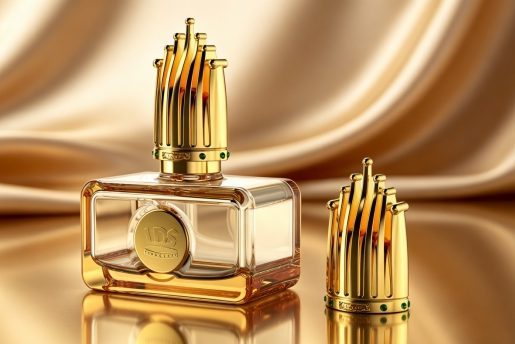
Comment choisir un fabricant de bouchons pour flacons de parfum de luxe

Comment choisir un fabricant de bouchons pour flacons de parfum de luxe

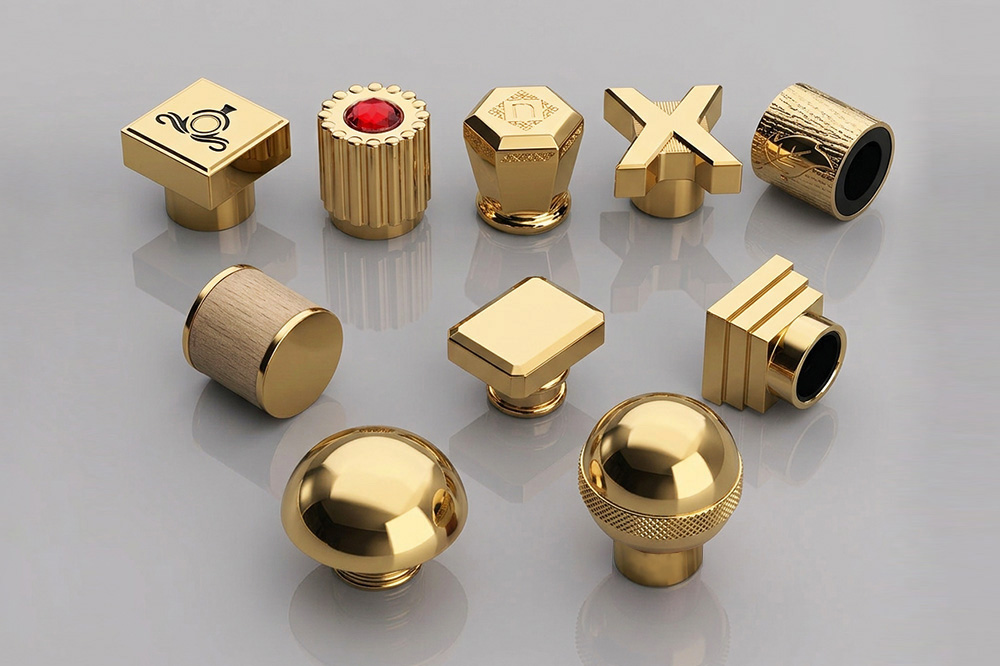
Un fabricant de bouchons de parfum doit être évalué sur la base du développement de sa conception, du contrôle des matériaux, du moulage, de la finition de surface, de l'ajustement intérieur, de l'assemblage et du contrôle qualité. Le bouchon assure à la fois une fermeture fonctionnelle et constitue l'un des éléments visuels les plus importants d'un flacon de parfum. LEADERS développe des composants d'emballage métalliques, notamment des bouchons de parfum, des bouchons de flacon, des couvercles de bougie, des étiquettes métalliques et des produits de marque privée associés. Définir la bouteille et l'expérience utilisateur Ajustement de la bouteille et expérience utilisateur La conception d'un bouchon commence par l'étude du goulot, du joint d'étanchéité, de la force d'ouverture, de l'ajustement, du poids et de la manipulation du produit par le client. Fournissez le schéma de la bouteille, les dimensions du goulot, les détails de la collerette, les informations concernant le sertissage ou la pompe, ainsi que tout échantillon de bouchon existant. Le bouchon doit être bien ajusté tout en restant pratique pour une utilisation répétée. L'orientation visuelle doit également être définie dès le départ. Un parfum de niche peut nécessiter un bouchon en zamac massif, des détails en cristal ou une forme sculpturale, tandis qu'un flacon de voyage peut privilégier une construction plus légère ou une structure interne protectrice. Un fabricant de bouchons de parfum a besoin à la fois des données fonctionnelles et de l'intention de la marque. Choisir le matériau en fonction du design et de la fonction Sélection des matériaux Le zamac ou l'alliage de zinc permettent de réaliser des formes complexes, des détails décoratifs et offrent un toucher haut de gamme. L'aluminium, quant à lui, confère un aspect métallique plus léger et peut répondre à d'autres exigences structurelles ou d'emballage. La résine, le plastique, le verre et les matériaux mixtes sont également envisageables en fonction de la géométrie du bouchon et du budget. Le choix du matériau influe sur la conception du moule, le traitement de surface, le poids, la stabilité dimensionnelle, la finition et l'assemblage. Ne vous fiez jamais uniquement au prix de la matière première pour comparer les matériaux. Examinez l'ensemble du bouchon, y compris les composants internes, les aimants, les éléments décoratifs, le placage, la peinture et l'emballage. Développer le moule et le prototype par étapes Étapes du moule et du prototype La conception d'un bouchon de parfum sur mesure passe par les étapes suivantes : conception 3D, prototypage, développement du moule, premier échantillon et validation de la production. Le prototype permet de vérifier les proportions, la prise en main, le poids et l'équilibre visuel avant de finaliser l'investissement dans l'outillage. Pour les formes complexes, il peut également révéler les risques liés à la dépouille, à l'épaisseur des parois, à l'assemblage et à la finition. LEADERS décrit un processus clé en main allant de la conception et de la fabrication des moules à la production et à l'expédition, avec des échantillons à chaque étape du processus de fabrication tels que les échantillons T, les échantillons PPS et les échantillons de commande répétée. Examiner la finition de surface comme un flux de travail distinct Finition de surface Le polissage prépare la surface métallique aux finitions ultérieures. Les lignes de joint, les bavures, les irrégularités, les piqûres de ponçage et la pellicule de moulage sous pression peuvent influencer l'aspect final. Le traitement électrolytique, la peinture, le brossage, les effets vieillis et autres techniques doivent être évalués en fonction de la géométrie réelle du bouchon, car les arêtes, les creux et les zones texturées peuvent présenter des finitions différentes. Demandez un échantillon de finition ou une référence physique illustrant les caractéristiques acceptables en termes de couleur, de brillance, de texture, de contraste du logo et de limites de surface. Si le traitement de surface est sous-traité, vérifiez comment le fabricant contrôle le processus externe, inspecte les pièces retournées et gère un lot non conforme. Précisez la structure interne et la décoration. Structure intérieure et décoration Le bouchon intérieur assure l'ajustement, la prise en main, l'alignement et la relation entre la coque extérieure décorative et le goulot de la bouteille. Il peut être en polypropylène, en plastique, comporter des aimants ou d'autres composants selon le modèle. Renseignez-vous sur le système de fixation du bouchon, son assemblage et l'impact des ouvertures répétées sur l'ajustement. Les éléments décoratifs tels que les cristaux, le cuir, les étiquettes métalliques ou les détails du logo doivent figurer sur le plan d'assemblage. Il convient de définir leur position, l'adhésif, la couleur, la tolérance et les modalités de contrôle. Une pièce décorative d'apparence correcte sur un échantillon peut engendrer des problèmes d'assemblage ou d'emballage si sa position n'est pas maîtrisée. Utilisez un plan de contrôle qualité détaillé Plan de contrôle de la qualité LEADERS décrit les processus de contrôle qualité à réception (IQC), en cours de production (IPQC), le contrôle à 100 % avant emballage, le contrôle qualité final (FQC) et le contrôle qualité final (OQC), ainsi que les équipements de test pour la friction, l'étanchéité, la résistance à la traction, le brouillard salin et autres exigences du projet. Les acheteurs doivent intégrer ces capacités dans un plan d'inspection convenu portant sur les dimensions, le poids, l'ajustement, la finition, le logo, la décoration et l'emballage. Lors de l'inspection visuelle, un échantillonnage AQL peut convenir, tandis que l'ajustement, l'étanchéité ou les attributs fonctionnels critiques doivent être contrôlés par d'autres moyens. Des informations sont nécessaires concernant la taille précise de l'échantillon, la classification des défauts, la règle de retouche et le processus d'élimination des lots. Un accord préalable sur la norme est indispensable. Évaluer la capacité et le contrôle de la chaîne d'approvisionnement Contrôle des capacités et de l'approvisionnement Le document source décrit les machines de fonderie sous pression, la fonderie d'aluminium sous pression, les équipements de polissage, les machines CNC, les presses à injection, les équipements de test, les capacités de fabrication de moules et les lignes d'assemblage. Cette structure intégrée permet de réduire les intermédiaires, mais l'acheteur doit s'assurer de la conformité des processus entre les différentes étapes et de leur sous-traitance par des partenaires qualifiés. Pour un lancement avec plusieurs styles de bouchons, renseignez-vous sur les schémas de moulage.Un fournisseur fiable doit être capable de gérer la production, la capacité de production par finition, l'approvisionnement en composants, l'emballage et la possibilité de maintenir plusieurs références de couleurs. Il doit également être en mesure de séparer les échantillons de développement de la production en série et de garantir le respect des normes approuvées pour les commandes répétées. Planification de l'emballage et livraison mondiale Emballage et livraison Les bouchons de parfum peuvent être lourds, réfléchissants et sensibles aux rayures. L'emballage doit protéger la finition, les éléments décoratifs et les bords pendant le stockage et le transport international. Avant l'expédition, assurez-vous de la protection individuelle, de la conception du plateau ou du séparateur, de la solidité du carton, des étiquettes, de la quantité par carton et effectuez un contrôle. LEADERS propose un service complet, de la conception à l'expédition. Les acheteurs doivent néanmoins définir clairement le transfert de responsabilité : produit approuvé, emballage, documents, conditions d'expédition, droits d'inspection et responsabilité en cas de dommages ou de manquants. Des conditions de livraison claires protègent à la fois la marque de parfum et le fabricant. Conclusion Choisir un fabricant de bouchons de parfum implique d'évaluer l'ensemble du processus, depuis l'adaptation du flacon et sa conception jusqu'au moule, au métal, à la finition, à la structure interne, au contrôle qualité, à l'emballage et à la production en série. Il est recommandé d'utiliser un prototype physique et un cahier des charges de finition avant de valider l'outillage. Veuillez nous contacter, LEADERS peut être pris en charge pour la fabrication de composants métalliques sur mesure pour parfums et pour une assistance clé en main en matière d'emballage. FAQ Q : Quelles informations faut-il fournir à un fabricant de bouchons de parfum ? A : Veuillez fournir le schéma du goulot, les exigences d'ajustement du bouchon, les dimensions, le poids cible, le matériau souhaité, la finition de surface, le logo, la décoration, la quantité, l'emballage, le marché cible et le délai de livraison. Un échantillon de bouteille et un bouchon de référence sont utiles pour confirmer la compatibilité fonctionnelle et visuelle. Q : Pourquoi le zamac est-il souvent utilisé pour les bouchons de parfums de luxe ? A: Le zamac permet de réaliser des formes complexes, des détails décoratifs soignés et offre un toucher haut de gamme. Il n'est cependant pas systématiquement le meilleur choix pour tous les produits. Avant de prendre votre décision finale concernant le matériau, il est important de comparer le poids, la complexité du moule, le traitement de surface, la structure interne, le coût, le transport et l'expérience client souhaitée. Q : Comment doit-on contrôler la qualité des bouchons de parfum ? A : Contrôler les dimensions, l'ajustement, le poids, la finition de surface, le logo, la décoration, la structure interne, l'ouverture et la fermeture, les rayures, les bavures, l'homogénéité du placage ou de la peinture et la protection de l'emballage. Définir les caractéristiques critiques indépendamment de l'échantillonnage visuel et convenir du critère de défaut avant la production en série. Q : Un fournisseur de bouchons de parfum peut-il également développer des étiquettes et d'autres pièces ? A: Certains fournisseurs proposent des composants de parfumerie coordonnés tels que des bouchons, des couvercles de bougies, des étiquettes métalliques et autres éléments d'emballage. Veuillez préciser dans la proposition de projet les responsabilités exactes concernant le produit, l'outillage, les matériaux, la finition, l'assemblage et le contrôle qualité de chaque composant.
Amélioration tactile premium : comment les fermetures magnétiques transforment l’expérience d’ouverture du parfum

Amélioration tactile premium : comment les fermetures magnétiques transforment l’expérience d’ouverture du parfum

Dans l'univers des parfums de niche et de luxe, les parfumeurs utilisent les senteurs pour évoquer des émotions et des lieux, tandis que le design des flacons donne une dimension tangible à cet art abstrait. Pour les marques de parfums de luxe, le premier contact physique d'un client avec un produit n'est pas la première vaporisation, mais le moment précis où il prend le flacon en main et soulève le bouchon. Cette interaction fugace influence la perception qu'ont les clients de la qualité d'une marque et du savoir-faire. Aujourd'hui, les grandes maisons de parfums de luxe délaissent les bouchons à friction classiques au profit de fermetures magnétiques en zamac (alliage de zinc), un matériau robuste et élégant. Leaders Hardware, fabricant spécialisé de bouchons de parfum en zamac design, propose des solutions sur mesure optimales. Nous savons comment cette fermeture de précision peut transformer un simple bouchon fonctionnel en un symbole de luxe. 1. Un rituel à double stimulation sensorielle : le toucher et le son Les bouchons de parfum traditionnels sont fixés au goulot du flacon par un simple insert en plastique et un système de tension mécanique. Avec le temps, l'usure du plastique peut entraîner un desserrage du bouchon, tandis qu'un serrage excessif oblige à tirer dessus de manière inconfortable, ce qui risque d'endommager la pompe de vaporisation. Une fermeture magnétique redéfinit complètement cette interaction : Le « clic » satisfaisant : la précision acoustique Dès que les aimants se connectent, on entend un « clic » net et franc. Ce retour d'information est un signal psychologique important en ingénierie acoustique, indiquant des tolérances de fabrication serrées, une intégrité structurelle et un savoir-faire de qualité. Amortissement continu et auto-alignement Les bouchons magnétiques ne nécessitent aucune pression. À l'approche du goulot, l'attraction magnétique les met en place en douceur. Grâce à leurs guides internes de précision, les bouchons magnétiques personnalisés Leaders offrent un auto-alignement à 360° et pivotent automatiquement pour aligner parfaitement le logo de la marque avec le bord de la bouteille, à chaque fois. 2. L'ingénierie derrière le claquement de doigts : comment les leaders maîtrisent l'art L'obtention d'une fermeture magnétique irréprochable exige une conception industrielle rigoureuse, une conception de moule avancée et des tolérances d'assemblage très strictes. Chez Leaders, chaque bouchon magnétique en Zamac est soumis à un processus d'ingénierie méticuleux : Calibrage de précision de la force de traction Des aimants trop faibles entraînent le dévissage facile des bouchons, laissant la pompe de pulvérisation sans protection. Des aimants trop puissants exercent une force d'attraction trop forte qui peut desserrer l'atomiseur. Leaders calibre la force d'attraction idéale (généralement de 600 g à 1 200 g) pour permettre une ouverture facile d'une seule main tout en garantissant le maintien du bouchon si le flacon est soulevé accidentellement par le haut. Assemblage de précision multi-matériaux Une fermeture magnétique de qualité supérieure ne se résume pas à un aimant collé à l'intérieur d'un boîtier. Des aimants trop puissants exercent une attraction trop forte, susceptible de dévisser l'atomiseur. Leaders définit la force d'attraction idéale (généralement entre 600 g et 1 200 g) pour permettre une ouverture facile du bouchon d'une seule main, tout en garantissant sa bonne tenue même si le flacon est soulevé accidentellement par le couvercle. Résistance à la corrosion et contrôle de la qualité Les aimants puissants sont sensibles aux effets des huiles parfumées brutes et à l'humidité ambiante. Tous les aimants internes utilisés par Leaders sont traités par un procédé anticorrosion spécialisé, soit par une structure trilaminaire nickel-cuivre-nickel, soit par encapsulation dans une résine protectrice. Ils sont également soumis à des tests rigoureux de corrosion et de démagnétisation, notamment des tests à l'alcool et au brouillard salin. 3. Créer de la valeur pour les marques de parfums haut de gamme Pour les propriétaires de marques de parfums, les directeurs artistiques et les équipes d'approvisionnement en emballages, passer à des bouchons magnétiques en Zamac personnalisés avec un partenaire de fabrication spécialisé comme Leaders représente bien plus qu'une simple mise à niveau technique : cela contribue directement à la valeur de la marque et aux marges des produits : Définir le luxe « poids lourd » L'alliance du toucher frais et dense de l'alliage de zinc et d'une fermeture magnétique lisse communique instantanément au consommateur une qualité sans compromis. Prolonger la durée de vie du produit Contrairement aux fermetures à friction en plastique qui s'usent après une utilisation répétée, les fermetures magnétiques ne subissent pratiquement aucune usure mécanique, préservant ainsi une ouverture impeccable pendant toute la durée de vie de la bouteille. Créer des moments viraux sur les réseaux sociaux Sur les plateformes à dominante visuelle comme Instagram et TikTok, les vidéos en gros plan mettant en avant le « clic » tactile et la fonction d'alignement automatique constituent des outils marketing attrayants qui mettent en valeur la qualité de vos emballages. Faites appel à des leaders pour vos emballages Zamac personnalisés Le véritable luxe réside dans les détails. Un bouchon magnétique en Zamac, conçu sur mesure pour votre flacon de parfum, transcende sa simple fonction d'emballage pour devenir un ambassadeur discret de votre marque. Leaders Hardware, fabricant et fournisseur professionnel de bouchons et d'ornements personnalisés en Zamac pour parfums et flacons, ainsi que d'emballages sur mesure, propose des services OEM/ODM complets : de la conception 3D à la fabrication de moules, en passant par le plaquage, l'assemblage magnétique et un contrôle qualité rigoureux. Vous souhaitez sublimer le packaging de votre parfum avec une fermeture magnétique exclusive ? Contactez Leaders dès aujourd’hui pour discuter de vos idées de design et demander des échantillons personnalisés. FAQ : Q1 : Quel est le MOQ habituel et le délai de livraison de votreVos bouchons de parfum magnétiques personnalisés en Zamac, et quel sera le coût du transport ? A: La quantité minimale de commande pour les bouchons en zamac personnalisés est de 3 000 à 10 000 pièces. Le développement du moule personnalisé prend environ 25 à 30 jours, la production en série 30 à 35 jours après l’approbation des échantillons. Q2 : Les vapeurs de parfum dissolvent la rouille des aimants internes ! Comment éviter que les aimants internes ne rouillent ou ne se démagnétisent à cause des vapeurs de parfum ? A : Tous les aimants internes sont plaqués avec un revêtement électrolytique anticorrosion triple couche (Ni-Cu-Ni) ou encapsulés dans une résine protectrice. Après des tests d'immersion dans l'alcool et de brouillard salin, ils présentent une durabilité exceptionnelle et une résistance aux esters. Q3 : Est-il possible de fabriquer des bouchons magnétiques extérieurs adaptés aux goulots de flacons de parfum standard existants ? R : Oui. Nous concevons sur mesure des inserts intérieurs en plastique (PP/POM) adaptés aux tailles de goulot de bouteille standard (par exemple FEA 15 mm) ou aux profils de goulot personnalisés, ce qui permet un enclenchement en douceur, une force de traction constante et une étanchéité parfaite, le tout sans avoir à modifier votre moule de bouteille existant.
Comment les leaders résolvent les problèmes d'ajustement et de desserrage des bouchons de parfum grâce à l'excellence en ingénierie

Comment les leaders résolvent les problèmes d'ajustement et de desserrage des bouchons de parfum grâce à l'excellence en ingénierie

In the luxury fragrance packaging industry, the tactile experience of opening and closing a perfume bottle is a consumer’s first physical interaction with a brand. A heavy, custom-designed Zamak cap creates an immediate impression of opulence and substance. But if the cap feels loose, rattles on the trip, or is you have to use a lot of force to remove it, the sense of worth is gone in an instant. Loose caps can also result in products spilling accidentally, broken spray pumps, and costly returns for fragrance brands. As a professional manufacturer for high-end packaging, Leaders overcomes these technical challenges by integrating precision zinc alloy die-casting with customized inner structure engineering and provides impeccable function for global luxury perfume brands. 1. The Engineering Behind Cap Fitment Issues Luxury Zamak perfume caps, in contrast to standard plastic ones, are composed of a multi-material assembly: a substantial outer shell made of zinc alloy which is combined with a precise plastic inner liner (usually Polypropylene, or PP). Because the physical properties of zinc alloy and engineering plastics are different, dimensional inaccuracy typically originates from the following three aspects: Thermal Shrinkage & Mold Control: Zamak alloy is die-cast at temperatures over 400°C. Natural shrinkage occurs as the metal cools. Internal dimensions vary from batch to batch without tight mold parameters. Platinums Thickness Variations: Luxury Zamak caps get plated(op gold, gunmetal, or chrome) or e-coated. Electroplating contributes a powder-thin surface layer (usually 5 to 15 microns). Uneven plating changes the internal clearance, which has an impact on the way the plastic liner inserts into the shell. Pump Collar Tolerance Stack-Up: The cap seats directly on the FEA 15 crimp neck or pump collar on the glass bottle. The neck of the glass bottle and the aluminum spray pump collar have some natural manufacturing tolerances (usually $\pm 0.2\text{mm}$). When a too-large collar is mated to a smaller cap liner, jamming or looseness is the result. 2. Engineered Solutions by Leaders: Precision Inner Liners To prevent raw metal from grinding against bottle pump collars, Leaders designs custom PP inner liners that act as a durable mechanical buffer. The PP insert provides controlled elasticity, friction, and smooth engagement. Custom Snap-Fit & Friction Mechanisms Audible Snap-Fit: Leaders engineers PP liners with internal retention ribs designed to engage with the groove of standard FEA pump collars, producing a clear, reassuring “click.” Calibrated Friction Holds: For smooth collars without retention grooves, Leaders calculates the exact inner diameter tolerances of the PP insert to maintain stable tension over thousands of uses. Shell-to-Liner Lock Mechanics To eliminate the risk of the inner liner detaching from the Zamak shell during use, Leaders incorporates internal mechanical locking grooves and anti-rotation ribs directly into the mold design of the Zamak body, locking the plastic insert permanently inside the metal casing without relying solely on adhesives. 3. Advanced Magnetic Alignment Solutions For niche and prestige fragrance lines featuring magnetic closures, Leaders implements polarized magnetic structures to ensure automatic alignment: Polarized Magnet Orientation: By using multi-pole N-S magnetic rings, Leaders forces the cap to auto-align in exact parallel orientation with the bottle faces, keeping brand logos perfectly centered. Sealed Mechanical Housings: Magnets are embedded in mechanical PP housings instead of exposed glues which can lead to magnetic decay or detachment upon exposure to the vapor of alcohol. 4. Rigorous Quality Assurance & Testing Standards To make sure the performance is stable during mass production, Leaders conducts a range of tests for each cap model: Tensile Testing: Leaders utilizes digital force gauges to accurately measure the tension necessary to remove caps from uniform pump collars while adhering to a strict retention range (typically 8 N to 18 N). Thermal Shock Testing: Cap assemblies undergo extreme temperature cycling (-20to +60°c) to confirm that differential thermal expansion between the Zamak body and PP insert does not cause cracking or looseness. Alcohol Vapor Resistance: Caps are tested in sealed ethanol spray environments for 24 to 72 hours to verify that alcohol exposure will not cause the PP insert to swell or deform. Why Choose Leaders for Your Custom Zamak Caps? Working with a specialized manufacturer is a risk-free way to ensure the luxury packaging production quality. Leaders has the know-how to provide customized perfume closures from start to finish In-House Tooling & Casting: Mold-making, die-casting, and secondary machining are tightly controlled for dimensional accuracy. Customized Surface Finishes: High-quality electroplating, e-coating and hand polishing with stringent thickness control. Integrated Packaging Solutions: Tailor-made PP insert is developed based on your unique glass bottle neck and pump specifications. To bring your fragrance packaging to the next level with dependable and accurate Zamak caps, Leaders awaits your call to discuss custom molds, technical drawings, and sample prototypes. Q1: Why do metal Zamak caps become loose or difficult to open after repeated use, and how does Leaders prevent this? A1: Loose or jam-prone caps usually occur because traditional plastic inner liners deform over time, or because thermal expansion differs between the Zamak outer shell and the PP insert. Leaders eliminates this problem through custom-engineered Polypropylene (PP) liners designed specifically for your bottle’s pump collar (such as FEA 15). We integrate internal mechanical locking grooves and anti-rotation ribs directly into the Zamak casting mold, permanently securing the liner inside the cap without relying solely on glues. Every production batch undergoes strict pull-force testing (8 N to 18 N) to ensure a consistent, luxury “click” and smooth tactile feel throughout the product’s lifespan. Q2: How does Leaders ensure that magnetic Zamak caps align perfectly with the perfume bottle logo every time? A2: Magnetic closures can suffer from misalignment or weakened magnetic hold if magnets shift or are affected by perfume alcohol vapors. To guarantee perfect front-facing logo alignment, Leaders uses multi-pole N-S polarized magnetic ring structures. This forces the cap to auto-rotate and lock precisely parallel to the bottle’s front profile. Furthermore, our magnets are mechanically enclosed inside sealed PP housings rather than stuck with exposed liquid adhesives, preventing magnet decay or separation caused by long-term ethanol exposure. Q3: Can Leaders customize Zamak caps to fit our specific glass bottle neck and spray pump supplier? A3: Yes. Glass bottle necks and aluminum spray pumps (from suppliers like Aptar, Silgan, or Coster) carry subtle manufacturing tolerances. Placing a generic cap onto a custom bottle often causes loose fitment or scratching. At Leaders, we offer complete in-house packaging engineering. Before mass mold production, our technical team analyzes your exact pump collar specifications and glass neck drawings to adjust mold shrinkage allowances and PP liner elasticity. We also provide functional 3D prototypes and sample testing to verify the extraction force before mass production begins.
Bouchon en aluminium ou en zamac : comment les marques de parfums de luxe choisissent le bon système de fermeture.

Bouchon en aluminium ou en zamac : comment les marques de parfums de luxe choisissent le bon système de fermeture.

An aluminum perfume cap is usually the better choice when a fragrance brand wants a light, clean, modern closure, while a zamac cap is stronger for weight, sculptural detail, and a more jewelry-like hand feel. The right decision depends on bottle proportion, fragrance position, surface finish, closure experience, and how the product will be handled after purchase. LEADERS works across aluminum, Zamac, plastic, wood-related caps, and travel spray case formats, so the material conversation can start with the brand experience. Why Cap Material Shapes the First Brand Impression The perfume bottle cap is not only a cover for the sprayer. It controls silhouette, balance, opening rhythm, shelf presence, and the way light moves across the top of the bottle. A cap that feels consistent with the scent can make the whole package feel more intentional, even before the fragrance is sprayed. For luxury fragrance packaging, this matters because buyers often read quality through touch before they read a label. A cool metal finish may suggest precision and restraint. A heavier cap may suggest richness, craft, and permanence. A softer or warmer material can point toward natural, botanical, or lifestyle fragrance positioning. Aluminum Perfume Cap Advantages for Modern Fragrance Lines Perfume caps in aluminium suit brands that desire their closure to convey refinement without excess weight. Its lighter weight is ideal for fresh eaux de parfum, clean beauty fragrances, unisex collections, travel-friendly lines and minimalist bottles where the cap should complete the form not overpower it. Aluminum also works well with metallic color palettes, matte finishes and simple finger-friendly shape with crisp square or round profiles. In daily use, weight affects comfort more than many teams expect. A slim glass bottle can feel better balanced with a lighter cap, especially when the user handles it with wet hands, places it in a bag, or uses it several times a day. For refillable or portable formats, that lighter feel can make the packaging seem practical without losing a premium tone. The surface language of aluminum also supports contemporary branding. Brushed, polished, matte, and colored metallic effects can make a cap feel clean and architectural without leaning on decorative excess. Where Aluminum Works Best Aluminum is strongest when the fragrance concept values clarity, mobility, and a controlled modern look. The better question is how the bottle should feel when lifted, closed, and displayed. It can also help when several related products need one packaging language. A lightweight aluminum cap can move across a full-size bottle, a smaller edition, and a travel spray case with less visual friction. Zamac Cap Strengths for Weight and Detail A zamac perfume cap is often chosen when the closure needs visible weight, sharper relief, and a more collectible personality. Zamac can support bold geometry, crisp edges, raised decoration, plaques, and detailed surface treatments. The feels emotional, not metal. Zamac caps generally feel heavier, which can make a small bottle feel more precious and a large bottle feel more ceremonial. This is ideal for launching extrait-style products, gift sets, limited editions and fragrance families where the bottle is likely to remain on a vanity or retail display. Zamac also gives designers more room for decorative identity. A custom perfume cap can use embossed patterns, framed top surfaces, electroplating, matte contrast, or crystal-inspired detailing when the fragrance story calls for richer visual drama. When Zamac Needs Careful Balancing The weight of the Zamac must be taken into account relative to the size of the bottle, shape of the shoulder, and construction of the sprayer. If the cap is striking enough on its own, it becomes problematic if it causes the bottle to become top heavy or obscures too much of the glass. The goal is not simply to make a heavier cap. It is to make a cap whose weight, fit, closure feel, and surface finish make sense together. How Magnetic Closure Changes the Material Decision A magnetic perfume cap can make either aluminum or Zamac feel more refined because the closing motion becomes part of the product ritual. The user does not only press the cap down; they feel it align. That small moment can make the bottle seem more deliberate and easier to return to its intended position. For aluminum, magnetic closure can add a premium tactile cue to a lighter cap. For Zamac, it can reinforce the sense of weight and precision. In both cases, the magnetic structure has to be matched with the cap body, inner fit, sprayer area, and bottle geometry so the experience feels quiet and secure rather than forced. This is especially important for refillable fragrance packaging. A refillable bottle asks the customer to keep using the object, so the closure should keep feeling stable after repeated handling. Choosing by Fragrance Position Instead of Material Alone The best perfume cap material is rarely chosen in isolation. Start with the role of the fragrance: daily signature scent, premium evening fragrance, discovery set, travel format, or seasonal limited edition. Each one asks a different question of the cap. Whereas an aluminum perfume cap is ideal for a current-day perfume due to its lightweight, clean design that could be used in various products, a zamac cap would be more suitable for an intense perfume. Surface finishing then gives the material its final voice. Polished metal can feel jewelry-like, satin finishes feel quieter, matte colors can modernize a familiar bottle, and textured effects can add grip or visual warmth. How LEADERS Supports Practical Cap Development LEADERS is useful for fragrance brands that need material options to become workable packaging, not just attractive ideas. Its product categories cover perfume packaging, travel spray cases, aluminum perfume caps, Zamac perfume caps, plastic perfume caps, and wooden perfume caps. The development path can include design review, tooling, die-casting, polishing, quality inspection, and assembly, depending on the cap type. The final decision is whether the cap can be made consistently, assembled cleanly, and matched to the bottle experience the brand wants customers to remember. Conclusion An aluminum perfume cap and a Zamac cap can both belong in premium fragrance packaging, but they speak different design languages. Aluminum is light, clean, and modern; Zamac is weighty, detailed, and expressive. The strongest choice is the one that makes the bottle feel complete in the user’s hand. For brands shaping a new fragrance line, LEADERS brings material choice, closure design, finishing, and production thinking into one packaging decision. Contact us to explore perfume cap solutions that help the outside of the bottle carry the same care as the scent inside. FAQ Q: Is an aluminum perfume cap suitable for luxury fragrance packaging? A: Yes. The aluminum perfume cap may seem luxurious if it is perfectly fitted and designed in harmony with the bottle itself. It is an ideal choice for contemporary, light, and gender-neutral perfumes that come in easy-to-carry bottles. The key is avoiding a thin or generic feel by using a refined surface and a clean closure experience. Q: When should a brand choose a zamac perfume cap instead? A: A zamac perfume cap is a better match when the brand wants more weight, sculptural detail, and a collectible hand feel. It works well for premium launches, gift sets, decorative caps, and bottles that need a strong top silhouette. The cap should still be balanced with the glass bottle and sprayer structure. Q: Can magnetic perfume caps be made with aluminum or Zamac? A: Magnetic closures can be developed with different cap material directions, including aluminum and Zamac, when the structure is properly matched to the bottle and sprayer. The benefit is a smoother closing ritual and a more confident alignment. The cap body, inner fit, and magnetic response all need careful coordination.
De la conception au produit fini : Processus de moulage sous pression de précision en alliage de zinc, étape par étape

De la conception au produit fini : Processus de moulage sous pression de précision en alliage de zinc, étape par étape

In the premium perfume sector, zinc alloy (Zamak) is the material of choice to manufacture the caps for luxury perfumes, individualised bottle plaques and luxury closures. With its pleasant heavy hand-feel, neat structural precision and wide range of electroplating options, Zamak enables niche and luxury brands to replicate even the most complex 3D design concepts into real luxury packaging. How does a custom zinc alloy cap transition from a preliminary 2D blueprint to a flawless, mirror-polished piece on a luxury perfume bottle? As a premier custom Zamak perfume cap manufacturer and full-suite fragrance packaging supplier, Leaders Packaging, we present a comprehensive step-by-step breakdown of the zinc alloy precision die-casting process. 1. Product Design & Design for Manufacturability (DFM) Superior die casting is achieved through stringent engineering within our R&D department of day one. Die before the mold manufacturing starts engineering have a review of client 3D CAD files by applying DFM concept. Consistent Thickness: Although Liquid Zamak fills out well, thick and thin walls may induce internal shrinkage or surface air holes. Perfume cap wall thickness is usually optimized within 1.5mm-2.5mm to get perfect structural integrity and heavy feel without casting defects. Draft Angle Considerations: Adding a 1° to 2° draft angle will ensure easy removal from the mold cavity and protect sharp brand logotypes and reliefs from surface defects. Moldflow simulation: High-end simulation software simulate molten Zamak flow in the mold and predicts air traps or cold shuts to find out the best gate and vent positions. 2. Precision Tooling & Mold Trials The mold is the core of the precision die casting. Mirror finishes on luxury perfume caps require micro-level tooling precision. STEP 1: CNC Machining & Electrical Discharge Machining (EDM) High precision CNC milling and EDM form the mold cavity to the tight tolerances of ±0.01mm. Step 2: Tooling Heat Treatment/Nitriding H13 steel is treated with hardening and nitriding, it will allow the mold to last for 100,000~300,000 shots. STEP 3: T1 Mold Trial & CMM Inspection Initial sample castings undergo Coordinate Measuring Machine (CMM) dimensional verification and cap-to-bottle fitment testing. 3. Hot Chamber Die Casting Execution The production of zinc alloy perfume caps is made by high efficiency hot chamber die casting machine. High quality ingot (like environmentally friendly Zamak 3 or Zamak 5) is melted in a pot on the inside at 410°C to 430°C. A hydraulic plunger pushes molten zinc alloy through the gooseneck into the mold cavity at a high pressure (10–30 MPa). High heat dissipation solidifies the metal within seconds, permitting auto ejection with mold opening. 4. Post-Processing & Hand Polishing Raw castings feature gates, overflows, and minor flash that require multi-stage mechanical refining: Gate & Flash Trimming: Precision trimming dies cleanly strip away sprue metal and runner systems. Vibratory Tumbling & Hand Polishing: Because perfume caps are tactile touchpoints, surface quality is paramount. Castings are subjected first to vibratory deburring and then to skilled manual polishing with the use of cloth wheels, which removes parting lines and micro-porosity, resulting in a perfect mirror finish. 5. Luxury Surface Finishing Processes Surface finishing adds metallic luster, color depth, and corrosion resistance to Zamak perfume closures. Finishing Method Process Characteristics Visual & Tactile Result Best Suited For Luxury Electroplating Rack plating with multiple layers (Copper-Nickel-Chrome/Gold); exhibits good adhesion and salt-spray resistance. Shiny Chrome, 24K/18K Gold, Rose Gold, Gunmetal, Brushed Antique Bronze. Classics caps for the high-end and heavy metallic closures. PVD Coating   (Physical Vapor Deposition) Eco-friendly, ultra-hard, highly resistant to wear and fragrance oil corrosion. Vibrant, custom colors with a sophisticated metallic luster and exceptional color stability. Specialised niche perfume lines and exclusive luxury editions. Lacquering & Spray Coating Combined with silkscreen printing, hot stamping, or laser engraving. Matte soft-touch, high-gloss piano lacquer, opaque ceramic-feel finishes. Trendy seasonal fragrance lines and color-matched cap designs. 6. Quality Control & Component Assembly Finished caps are subjected to stringent QA to comply with the global packaging norms prior to dispatch: 100% visual inspection: Rigid screening for scratches, pits, plating bubbles or color variation. Cross-Hatch & Salt Spray Testing: Confirms the adherence of the coating and provides assurance that it will hold up to perfume oil exposure, as well as environmental rusting. Plastic Insert Fitment & Pull-Force Testing: Well-designed plastic inserts (PP/POM) are inserted within the zamak casing to ensure maximum snap-on retention force and ease of cap removal. 🌟 WHY PARTNER WITH LEADERS FOR YOUR FRAGRANCE PACKAGING? Leaders Packaging is one of the leading suppliers of custom Zamak perfume caps and turnkey fragrance packaging solutions to the global luxury markets, In-House Production: Mold engineering, die casting, hand polishing, electroplating and final assembly all managed for you under one roof. One-stop PP packaging solution: Leaders offers more than Zamak caps, but also perfume glass bottles, customised metal plaques, fine-mist pumps and customised gift boxes. World Class Conformance: Product is fully compliant with EU REACH and ESG regulations, and is free of lead and compliant with the nickel release directive to allow for export worldwide. Conclusion From CAD engineering and precision tooling to hot chamber die casting, hand polishing, and luxury electroplating, creating a premium Zamak perfume cap demands technical rigor at every step. Partnering with an experienced turnkey supplier ensures seamless execution and elevates brand value in competitive markets.
Bouchons de parfum personnalisés : comment les marques de parfums de luxe choisissent le bon bouchon

Bouchons de parfum personnalisés : comment les marques de parfums de luxe choisissent le bon bouchon

Custom perfume caps can transform a fragrance bottle into a total sensory experience. The caps protect the spray mechanism, express the fragrance and the packaging, and give a meaningful twist to the daily use of perfumes and fragrances. The choice of the cap is not limited to the color and the price. It has to match the fragrance, the bottle, the closure, the decoration process, and the point of sale. For LEADERS, custom perfume caps are an integral part of luxury fragrance packaging, and the materials and surface finish are as important as for the rest of the packaging. Why Custom Perfume Caps Carry So Much Brand Value In fragrance, even the smallest detail can have a huge impact on the overall emotional impression of the product. For instance, a well-designed cap that opens and closes smoothly and has a solid base that fits perfectly in the bottle shoulder shows that one has gone the extra mile to pay attention to the smallest of details. This is especially important for niche perfume lines, gift sets, as well as for higher-end launches that are expected to sit on a vanity for a long time after the initial purchase. Your perfume caps can also give your brand a recognizable silhouette. A square glass bottle, for example, is architectural with a dense metal cap, soft with a rounded resin cap, and natural with a wood-effect cap. The cap is a visual shortcut to your collection and will make your bottle more recognizable in your store displays, on your social media pages, and at the moments of repeat purchase. For a perfume cap manufacturer, the biggest challenge is to translate the design into production. A cap can look beautiful in a rendering, but it has to fit the sprayer, has to be in line with the bottle, can be dropped during transportation and handling, and must still look perfect after assembly and distribution. Material Choices Behind a Premium Cap Feel Material is the fastest way to change the perceived value of a fragrance package. It affects touch temperature, hand weight, molded detail, and the way light moves across the surface. LEADERS works with Zamac, aluminum, plastic or resin, and wood-related cap directions, giving brands different routes into premium perfume packaging. Zamac for weight, definition, and sculptural detail For fragrances that deserve a heavier, more collectible form, a Zamac perfume cap is the perfect solution. The material is ideal for supporting strong geometrical lines, crisp edges, plaques, and relief decorations. A wide range of luxury surfaces can be realized, such as polished, electroplated, matte, or textured finishes. The cap is the object that is most linked to the brand, and therefore it should not be used as a simple closure. Aluminum, resin, and wood directions for different aesthetics Aluminum perfume caps are light and stylish and are especially suitable for fresh, unisex, travel, or contemporary fragrances. They match perfectly with metallic finishes and express refinement without being as heavy as Zamac. For brands looking for a light cap with a smooth surface, Aluminum is a very suitable design option. Plastic caps can be made to support colors. Plastic caps let designers use translucent or soft shape designs. Plastic caps can even grow into line extensions. Wood or wood-grain capped bottles give a contrast to most fragrances. Wood or wood-grain capped bottles are perfect for artisanal or natural positioned scents. As, with any material the best caps are those that support the fragrance concept and user environment. Closure Experience Matters More Than It Looks A stunning cap can look terrible when you actually put it on, and it’s loose, it’s rough, or it’s just not sitting right. It’s got to go on and sit right. It’s got to protect the pump. It’s got to feel the same way every time you open and close a bottle. For Luxury fragrance packaging, opening and closing a bottle is part of the ritual. Magnetic perfume cap designs are popular as they allow for a smooth and deliberate closure. The magnetic pull creates a satisfying moment of alignment. The closure of premium perfume bottles is particularly important and is expected to close quietly and with confidence. Caps for refillable bottles need to withstand repeated opening and closing without making the bottle feel like it is only to be used temporarily. In addition to a durable finish, the cap should also have stable closure characteristics and a good grip. Surface Finishing Turns Structure Into Desire The material of a cap gives it the necessary shape and structure, whereas the finish is what ultimately gives the cap its character. Polishing a metal cap can create a jewelry-like effect, whereas a matte finish can create a more architectural and quiet effect. Electroplating allows for a change in mood from classic gold to cool silver or even to more decorative and darker tones. Spraying and transfer effects create a link between the fragrance and the color of the bottle glass and the outer box, or even create a contrasting effect. In finishes, we choose the best finish for the world of the fragrance and not as a decoration on its own. A high-gloss metallic cap can be suitable for a powerful evening fragrance. A satin finish can be more intimate for a skin fragrance or a minimalistic eau de parfum. How to Choose the Right Cap for a Fragrance Project The smartest starting point is the fragrance position. A luxury extrait, a clean everyday eau de parfum, a travel spray atomizer, and a gift-set miniature all ask different things from the cap. Once the product role is clear, the brand can narrow material, closure style, finish, and decoration without turning the cap into a random design exercise. Bottle compatibility must be considered when choosing a cap. The cap needs to protect the sprayer fit well on the neck of the bottle and keep the line of the glass, pump and closure looking clean. A cap that looks nice by itself can look completely different when placed on a bottle.The final choice depends on how the product will be used. A product meant for display, in stores will benefit from a detailed design whereas a portable perfume will need a strong surface and simple handling. Conclusion A perfume cap is not a finishing touch to a fragrance. It contributes to the customer’s perception of value, of quality and of the brand’s character. The strongest decisions regarding caps relate to the material, the closure, the surface finish and the bottle. Most importantly, they need to work in real-life situations. For fragrance brands creating packaging for their luxury, refillable or portable fragrances, LEADERS provides a clear development route from the cap concept to completion of the finished packaging detail. Find out more about LEADERS’ custom perfume caps that create as much of a memory as the fragrance itself. FAQ Q: What makes custom perfume caps important for luxury fragrance packaging? A: First of all, Custom perfume caps can influence the first touch and the bottle silhouette. Furthermore, the closure feel and the perceived value of a fragrance are affected as well. In luxury packaging, the cap helps to make the product complete and memorable. A well-matched cap can make a bottle feel heavier, cleaner, warmer, more modern, or even more collectible, depending on the material and finish. Q: When should a brand choose a Zamac perfume cap? A: A Zamac perfume cap can be a very good option when you need weight and crisp details in your perfume cap, and you want to give your brand a very premium metal feel. A Zamac cap can be sculptural, a decorative plaque, polished or matte, depending on the look you want to create for your fragrance. Of course, it has to balance with the size of the bottle and the overall design mood. Q: Are magnetic perfume caps suitable for refillable perfume bottles? A: Magnetic perfume caps can be suitable for refillable perfume bottles. However, the closure has to be carefully matched to the perfume bottle and the sprayer. The smooth closing motion is very suitable for repeated use of the closure. In case of refillable packaging, the cap also has to be equipped with durable finishing and has to feel good when handling the bottle, in order to continue to look and feel great in the long run. Q: How can travel spray atomizer packaging keep a premium brand feel? A: Travel spray atomizer packaging is compact, secure, and consistent with the fragrance line when full-size. Material, cap or case finish, spray comfort, and color direction are key when creating a portable version of packaging that is of premium quality and is consistent with the main bottle in terms of design and tactile quality.
Maison
WhatsApp
E-mail
Contacts