Cómo seleccionar un fabricante de tapones para perfumes en envases de lujo

Cómo seleccionar un fabricante de tapones para perfumes en envases de lujo

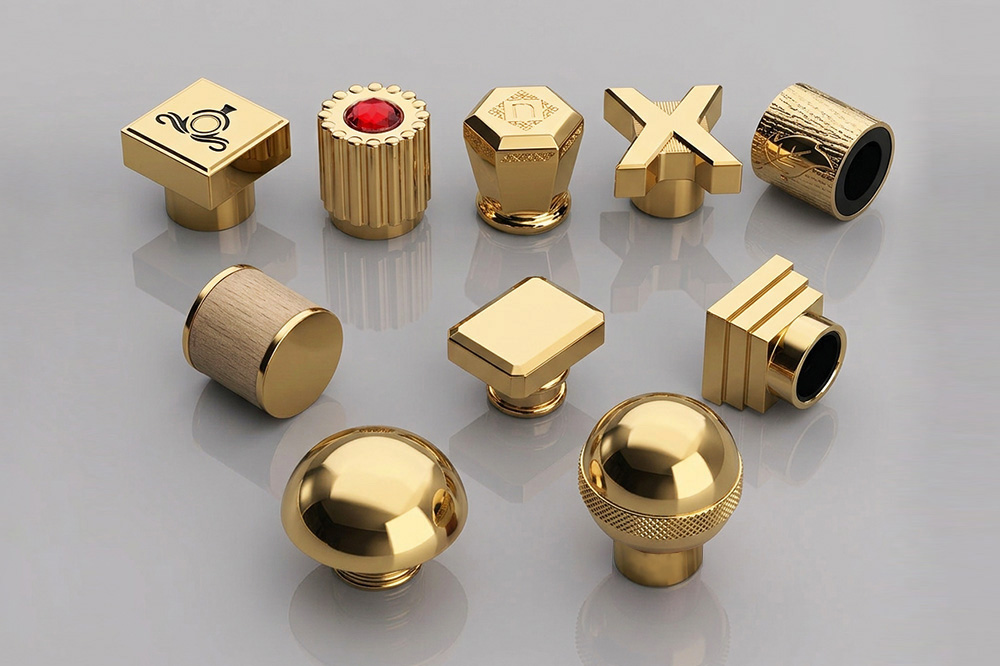
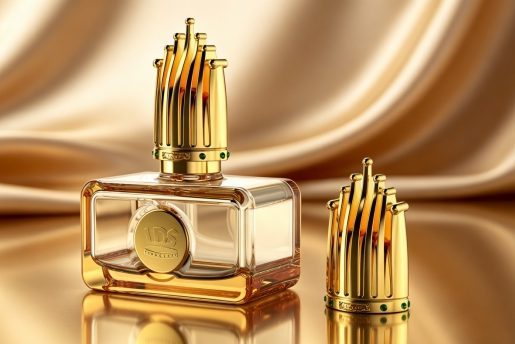
Un fabricante de tapones para perfumes debe evaluarse en función del desarrollo del diseño, el control de materiales, el moldeo, el acabado superficial, el ajuste interno, el ensamblaje y la inspección. El tapón es tanto un cierre funcional como uno de los elementos visuales más distintivos de un frasco de perfume. LEADERS desarrolla componentes de embalaje metálicos, incluyendo tapones para perfumes, tapones para botellas, tapas para velas, etiquetas metálicas y productos relacionados de marca blanca. Definir la botella y la experiencia del usuario Ajuste de la botella y experiencia del usuario El diseño de una tapa comienza con el cuello de la botella, la interfaz de sellado, la fuerza de apertura, el ajuste, el peso y la forma en que el cliente manipula el producto. Proporcione el dibujo de la botella, las dimensiones del cuello, los detalles del collarín, la información sobre el engaste o la bomba, y cualquier muestra de tapa existente. La tapa debe ajustarse de forma segura y, a la vez, ser práctica para su uso repetido. La estética también debe definirse desde el principio. Una fragancia de nicho puede requerir un tapón de zamac grueso, detalles de cristal o una forma escultural, mientras que un producto de viaje puede necesitar una construcción más ligera o una estructura interna protectora. Un fabricante de tapones de perfume necesita tanto los datos funcionales como la intención de la marca. Elija el material teniendo en cuenta el diseño y la funcionalidad. Selección de materiales El zamac o aleación de zinc permite crear formas robustas, detalles decorativos y un tacto de alta calidad. El aluminio ofrece una apariencia más ligera y puede ajustarse a otros requisitos estructurales o de embalaje. También se pueden considerar diseños con resina, plástico, vidrio y materiales mixtos, según la geometría y el presupuesto de la tapa. La selección del material influye en el diseño del molde, el tratamiento superficial, el peso, la estabilidad dimensional, el acabado y el ensamblaje. Nunca compare materiales basándose únicamente en el precio de la materia prima. Revise la tapa completa, incluyendo el componente interno, los imanes, los elementos decorativos, el revestimiento, la pintura y la protección del embalaje. Desarrollar el molde y el prototipo por etapas. Etapas de moldeo y prototipado El diseño de un tapón de perfume personalizado debe pasar por las fases de diseño 3D, prototipo, desarrollo del molde, primera muestra y aprobación de producción. El prototipo es útil para comprobar las proporciones, el agarre, el peso y el equilibrio visual antes de la inversión final en el utillaje. En el caso de formas complejas, también permite detectar riesgos relacionados con la inclinación, el grosor de la pared, el montaje y el acabado. LEADERS describe un proceso integral que abarca desde el diseño y la fabricación de moldes hasta la producción y el envío, con muestras de la fase de producto, como muestras T, PPS y muestras para pedidos repetidos. Revisar el acabado de superficies como un flujo de trabajo independiente. Acabado de superficies El pulido prepara la superficie metálica para el acabado posterior. Las líneas de separación, las rebabas, las irregularidades, los poros de lijado y la capa superficial de fundición pueden influir en el aspecto final. El galvanizado, la pintura, el cepillado, los efectos vintage y otros tratamientos deben evaluarse en función de la geometría real de la tapa, ya que los bordes, los huecos y las zonas texturizadas pueden presentar acabados diferentes. Solicite una muestra del acabado o una referencia física que muestre el color, el brillo, la textura, el contraste del logotipo y los límites de la superficie aceptables. Si el proceso de galvanoplastia se subcontrata, confirme cómo el fabricante controla el proceso externo, inspecciona las piezas devueltas y gestiona los lotes que no cumplen con el estándar aprobado. Especificar la estructura interna y la decoración. Estructura interna y decoración La tapa interior controla el ajuste, el agarre, la alineación y la relación entre la carcasa exterior decorativa y el cuello de la botella. Puede incluir PP, plástico, imanes u otros componentes, según el diseño. Pregunte cómo se sujeta la parte interior, cómo se ensambla la tapa y cómo afecta la apertura repetida al ajuste. Los elementos decorativos, como cristales, cuero, etiquetas metálicas o detalles del logotipo, deben mostrarse en el plano de montaje. Defina la posición, el adhesivo, el color, la tolerancia y la inspección. Una pieza decorativa que se ve bien en una muestra puede generar problemas de montaje o embalaje si no se controla su posición. Utilice un plan detallado de control de calidad. Plan de control de calidad LEADERS describe IQC, IPQC, verificación del 100 % antes del embalaje, FQC y OQC, junto con equipos de prueba para fricción, sellado, resistencia a la tracción, niebla salina y otras necesidades del proyecto. Los compradores deben convertir estas capacidades en un plan de inspección acordado para dimensiones, peso, ajuste, acabado, logotipo, decoración y embalaje. Al considerar la inspección visual, el muestreo AQL podría ser apropiado, mientras que el ajuste, el sellado o los atributos funcionales críticos deben controlarse por otros medios. Se requiere información sobre el tamaño preciso de la muestra, la clasificación de los defectos, la regla de reprocesamiento y el proceso de eliminación del lote. Es necesario un acuerdo previo a la producción sobre el estándar. Evaluar la capacidad y el control de la cadena de suministro. Control de capacidad y suministro El material de origen describe máquinas de fundición a presión, fundición de aluminio a presión, equipos de pulido, máquinas CNC, máquinas de inyección, equipos de prueba, capacidad de moldeo y líneas de ensamblaje. Esta estructura integrada puede reducir las transferencias de personal, pero el comprador debe confirmar qué procesos son internos y cuáles son gestionados por socios cualificados. Para un lanzamiento con varios estilos de tapa, pregunte sobre el esquema de moldes.El proceso de fabricación, la capacidad de producción por acabado, el abastecimiento de componentes, el embalaje y la capacidad de mantener varias referencias de color son factores clave. Un proveedor estable debe poder separar las muestras de desarrollo de la producción en masa y mantener el estándar aprobado en los pedidos repetidos. Planificar el embalaje y la entrega global Embalaje y entrega Los tapones de los perfumes pueden ser pesados, reflectantes y propensos a rayarse. El embalaje debe proteger el acabado, las partes decorativas y los bordes durante el almacenamiento y el transporte internacional. Confirme la protección individual, el diseño de la bandeja o separador, la resistencia de la caja, las etiquetas, la cantidad por caja y la inspección antes del envío. LEADERS ofrece un servicio integral que abarca desde el diseño hasta el envío. Los compradores deben definir claramente la transferencia comercial: producto aprobado, embalaje, documentación, condiciones de envío, derechos de inspección y responsabilidad por daños o faltantes. Unas condiciones de entrega claras protegen tanto a la marca de fragancias como al fabricante. Conclusión Seleccionar un fabricante de tapones para perfumes implica evaluar todo el proceso, desde el ajuste y el diseño del frasco hasta el molde, el metal, el acabado, la estructura interna, la inspección, el empaquetado y la producción en serie. Utilice un prototipo físico y un estándar de acabado por escrito antes de aprobar las herramientas. Póngase en contacto con nosotros; LEADERS puede ser una opción a considerar para componentes de fragancias metálicas personalizados y soporte integral para empaques. Preguntas frecuentes P: ¿Qué información se debe proporcionar a un fabricante de tapones de perfume? A: Proporcione el dibujo del cuello de la botella, los requisitos de ajuste de la tapa, las dimensiones, el peso objetivo, la preferencia de material, el acabado superficial, el logotipo, la decoración, la cantidad, el embalaje, el mercado objetivo y el cronograma de entrega. Una muestra de la botella y una tapa de referencia son útiles para confirmar la relación funcional y visual. P: ¿Por qué se usa a menudo el zamac para los tapones de los perfumes de lujo? A: El Zamac permite crear formas robustas, detalles decorativos y ofrece un tacto de alta calidad. Sin embargo, no es automáticamente la mejor opción para todos los productos. Antes de decidir el material, compare el peso, la complejidad del molde, el tratamiento superficial, la estructura interna, el coste, el transporte y la experiencia del cliente. P: ¿Cómo se debe inspeccionar la calidad de los tapones de los perfumes? A: Inspeccione las dimensiones, el ajuste, el peso, el acabado superficial, el logotipo, la decoración, la estructura interna, la apertura y el cierre, los arañazos, las rebabas, la uniformidad del chapado o la pintura y la protección del embalaje. Defina las características críticas por separado del muestreo de apariencia y acuerde el estándar de defectos antes de la producción en masa. P: ¿Puede un proveedor de tapones para perfumes también diseñar etiquetas y otras piezas? A: Algunos proveedores ofrecen componentes de fragancia coordinados, como tapones, tapas de botellas, tapas de velas, etiquetas metálicas y piezas de embalaje relacionadas. Confirme el alcance exacto del producto, las herramientas, el material, el acabado, el ensamblaje y las responsabilidades de inspección para cada componente en la propuesta del proyecto.
Mejora táctil premium: cómo los cierres magnéticos mejoran la experiencia de apertura del perfume.

Mejora táctil premium: cómo los cierres magnéticos mejoran la experiencia de apertura del perfume.

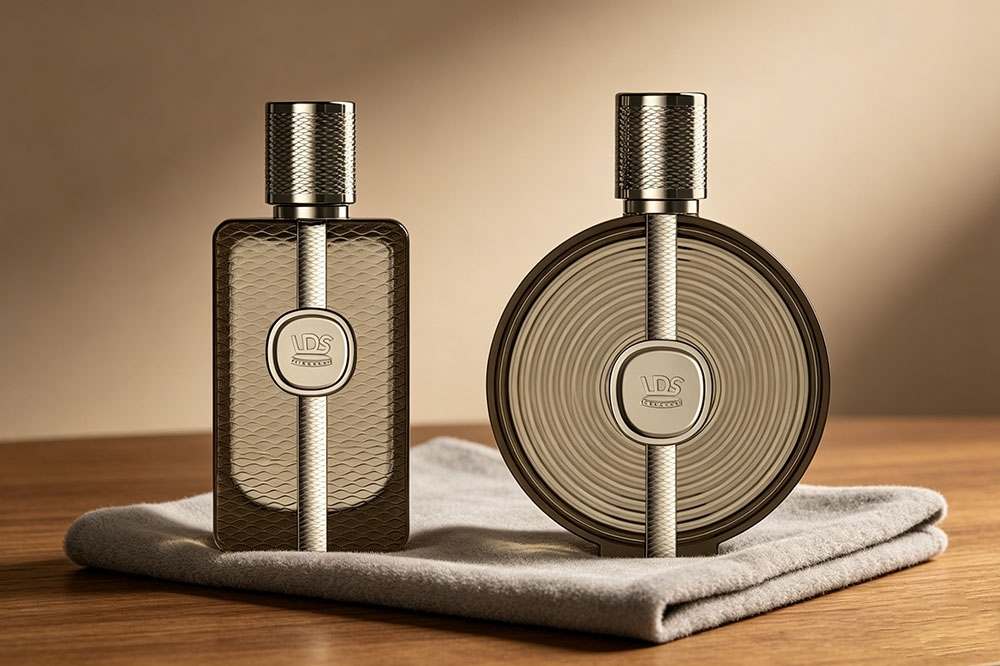
En el mundo de las fragancias de lujo y de nicho, los perfumistas utilizan los aromas para evocar emociones y lugares, mientras que el diseño del frasco convierte ese arte abstracto en algo tangible. Para las marcas de perfumes de lujo, la primera interacción física del cliente con un producto no es la primera pulverización, sino el preciso instante táctil en que toma y levanta el tapón del perfume. Esta interacción momentánea influye en cómo los clientes perciben la calidad de la marca y la artesanía. Hoy en día, las principales casas de perfumería de lujo están abandonando los clásicos tapones de ajuste por fricción en favor de los cierres magnéticos con la robustez del material Zamac (aleación de zinc). Como fabricante especializado en tapones de perfume de Zamac de diseño, Leaders Hardware ofrece la mejor solución personalizada, y sabemos cómo este cierre de ingeniería de precisión puede convertir una tapa funcional común en un icono distintivo del lujo. 1. Un ritual sensorial dual: tacto y sonido Los tapones de perfume tradicionales se basan en inserciones internas de plástico y tensión mecánica para ajustarse al cuello del frasco. Con el tiempo, el desgaste del plástico puede provocar que los tapones se aflojen, mientras que un ajuste demasiado apretado requiere tirar con fuerza, lo que puede dañar la bomba atomizadora. Un cierre magnético redefine por completo esta interacción: El satisfactorio “clic”: precisión acústica En el momento en que los imanes se conectan, se escucha un "clic" nítido y sólido. Esta retroalimentación es una señal psicológica importante en la ingeniería acústica, que indica tolerancias de fabricación estrictas, integridad estructural y mano de obra de calidad. Amortiguación continua y autoalineación Los tapones magnéticos no requieren presión. A medida que el tapón se acerca al cuello de la botella, la atracción magnética lo desliza suavemente hasta su posición. Gracias a sus guías internas de precisión, los tapones magnéticos personalizados de Leaders ofrecen una autoalineación de 360 ​​grados, girando automáticamente para alinear los logotipos de la marca a la perfección con la parte frontal de la botella, siempre. 2. La ingeniería detrás del chasquido: cómo los líderes dominan el arte. Para lograr un cierre magnético impecable se requiere un diseño industrial riguroso, un diseño de moldes avanzado y tolerancias de ensamblaje estrictas. En Leaders, cada tapa magnética de Zamac pasa por un meticuloso proceso de ingeniería: Calibración de fuerza de tracción de precisión Los imanes débiles hacen que las tapas se caigan fácilmente, dejando la bomba de pulverización desprotegida. Los imanes demasiado fuertes ejercen una fuerza de atracción excesiva que puede aflojar el atomizador. Leaders calibra la fuerza de apertura ideal (normalmente de 600 g a 1200 g) para permitir una apertura sin esfuerzo con una sola mano, garantizando al mismo tiempo que la tapa se mantenga firme si la botella se levanta accidentalmente por la parte superior. Ensamblaje de precisión multimaterial Un cierre magnético de alta calidad no es simplemente un imán pegado dentro de una carcasa. Los imanes demasiado fuertes generan una atracción excesiva que puede soltar el atomizador. Leaders ajusta la fuerza de apertura ideal (generalmente de 600 g a 1200 g) para que la tapa se pueda abrir sin esfuerzo con una sola mano, garantizando al mismo tiempo que permanezca firmemente sujeta si la botella se levanta accidentalmente por la tapa. Resistencia a la corrosión y control de calidad Los imanes potentes son susceptibles a los efectos de los aceites esenciales de las fragancias y la humedad del aire. Todos los imanes internos que utilizan los líderes reciben un tratamiento anticorrosión especializado, ya sea mediante una encapsulación de níquel-cobre-níquel de tres capas o de resina protectora, y se someten a rigurosas pruebas de oxidación o desmagnetización, incluidas pruebas con alcohol y niebla salina. 3. Cómo generar valor para las marcas de fragancias de alta gama Para los propietarios de marcas de perfumes, directores creativos y equipos de adquisición de envases, cambiar a tapones magnéticos de Zamac personalizados con un socio de fabricación especializado como Leaders es más que una mejora técnica: impulsa directamente el valor de la marca y los márgenes del producto: Definiendo el lujo de "peso pesado". La combinación del tacto frío y denso de la aleación de zinc con un cierre magnético suave transmite instantáneamente al consumidor una calidad sin concesiones. Prolongar la vida útil del producto A diferencia de los cierres de fricción de plástico que se desgastan tras un uso repetido, los cierres magnéticos prácticamente no sufren desgaste mecánico, lo que garantiza una apertura impecable durante toda la vida útil de la botella. Creando momentos virales en redes sociales En plataformas que priorizan lo visual, como Instagram y TikTok, los vídeos en primer plano que destacan el "clic" táctil y la función de alineación automática sirven como atractivos recursos de marketing que muestran la calidad de su embalaje. Asóciate con líderes para tu embalaje personalizado de Zamac. El verdadero lujo reside en los detalles. Un tapón magnético de Zamac para perfumes, diseñado a medida, trasciende la mera funcionalidad del envase para convertirse en un embajador silencioso de su marca. Leaders Hardware, como fabricante y proveedor profesional de tapones y adornos para frascos de perfume de Zamac personalizados, así como de embalajes a medida, ofrece servicios OEM/ODM de proceso completo: desde el diseño 3D y la fabricación de moldes hasta el chapado, el ensamblaje magnético y la estricta inspección de calidad. ¿Busca realzar el empaque de su fragancia con un cierre magnético distintivo? Comuníquese hoy mismo con Leaders para hablar sobre sus ideas de diseño y solicitar muestras personalizadas. Preguntas frecuentes: P1: ¿Cuál es el MOQ y el plazo de entrega habituales de su...¿Cuánto costarán los tapones magnéticos personalizados para perfumes de Zamac? A: El pedido mínimo para las gorras personalizadas de Zamac es de 3000 a 10 000 unidades. El desarrollo del molde personalizado tarda entre 25 y 30 días, y la producción en masa entre 30 y 35 días después de la aprobación de las muestras. P2: ¡El vapor del perfume disuelve el óxido de los imanes internos! ¿Cómo se puede evitar que los imanes internos se oxiden o se desmagneticen a causa de los vapores del perfume? A: Todos los imanes internos están recubiertos con un triple recubrimiento anticorrosivo electrolítico (Ni-Cu-Ni) o encapsulados con resina protectora. Tras superar las pruebas de inmersión en alcohol y de niebla salina, cumplen con los requisitos de durabilidad y resistencia a la corrosión. P3: ¿Es posible fabricar tapones magnéticos externos que se adapten a los cuellos de frascos de perfume estándar existentes? R: Sí. Diseñamos insertos internos de plástico (PP/POM) a medida para adaptarse a tamaños de cuello de botella estándar (por ejemplo, FEA de 15 mm) o perfiles de cuello personalizados, lo que permite un cierre suave, una fuerza de tracción constante y un sellado hermético, todo ello sin tener que modificar el molde de botella existente.
Cómo los líderes resuelven los problemas de ajuste y holgura de los tapones de perfume mediante la excelencia en ingeniería.

Cómo los líderes resuelven los problemas de ajuste y holgura de los tapones de perfume mediante la excelencia en ingeniería.

In the luxury fragrance packaging industry, the tactile experience of opening and closing a perfume bottle is a consumer’s first physical interaction with a brand. A heavy, custom-designed Zamak cap creates an immediate impression of opulence and substance. But if the cap feels loose, rattles on the trip, or is you have to use a lot of force to remove it, the sense of worth is gone in an instant. Loose caps can also result in products spilling accidentally, broken spray pumps, and costly returns for fragrance brands. As a professional manufacturer for high-end packaging, Leaders overcomes these technical challenges by integrating precision zinc alloy die-casting with customized inner structure engineering and provides impeccable function for global luxury perfume brands. 1. The Engineering Behind Cap Fitment Issues Luxury Zamak perfume caps, in contrast to standard plastic ones, are composed of a multi-material assembly: a substantial outer shell made of zinc alloy which is combined with a precise plastic inner liner (usually Polypropylene, or PP). Because the physical properties of zinc alloy and engineering plastics are different, dimensional inaccuracy typically originates from the following three aspects: Thermal Shrinkage & Mold Control: Zamak alloy is die-cast at temperatures over 400°C. Natural shrinkage occurs as the metal cools. Internal dimensions vary from batch to batch without tight mold parameters. Platinums Thickness Variations: Luxury Zamak caps get plated(op gold, gunmetal, or chrome) or e-coated. Electroplating contributes a powder-thin surface layer (usually 5 to 15 microns). Uneven plating changes the internal clearance, which has an impact on the way the plastic liner inserts into the shell. Pump Collar Tolerance Stack-Up: The cap seats directly on the FEA 15 crimp neck or pump collar on the glass bottle. The neck of the glass bottle and the aluminum spray pump collar have some natural manufacturing tolerances (usually $\pm 0.2\text{mm}$). When a too-large collar is mated to a smaller cap liner, jamming or looseness is the result. 2. Engineered Solutions by Leaders: Precision Inner Liners To prevent raw metal from grinding against bottle pump collars, Leaders designs custom PP inner liners that act as a durable mechanical buffer. The PP insert provides controlled elasticity, friction, and smooth engagement. Custom Snap-Fit & Friction Mechanisms Audible Snap-Fit: Leaders engineers PP liners with internal retention ribs designed to engage with the groove of standard FEA pump collars, producing a clear, reassuring “click.” Calibrated Friction Holds: For smooth collars without retention grooves, Leaders calculates the exact inner diameter tolerances of the PP insert to maintain stable tension over thousands of uses. Shell-to-Liner Lock Mechanics To eliminate the risk of the inner liner detaching from the Zamak shell during use, Leaders incorporates internal mechanical locking grooves and anti-rotation ribs directly into the mold design of the Zamak body, locking the plastic insert permanently inside the metal casing without relying solely on adhesives. 3. Advanced Magnetic Alignment Solutions For niche and prestige fragrance lines featuring magnetic closures, Leaders implements polarized magnetic structures to ensure automatic alignment: Polarized Magnet Orientation: By using multi-pole N-S magnetic rings, Leaders forces the cap to auto-align in exact parallel orientation with the bottle faces, keeping brand logos perfectly centered. Sealed Mechanical Housings: Magnets are embedded in mechanical PP housings instead of exposed glues which can lead to magnetic decay or detachment upon exposure to the vapor of alcohol. 4. Rigorous Quality Assurance & Testing Standards To make sure the performance is stable during mass production, Leaders conducts a range of tests for each cap model: Tensile Testing: Leaders utilizes digital force gauges to accurately measure the tension necessary to remove caps from uniform pump collars while adhering to a strict retention range (typically 8 N to 18 N). Thermal Shock Testing: Cap assemblies undergo extreme temperature cycling (-20to +60°c) to confirm that differential thermal expansion between the Zamak body and PP insert does not cause cracking or looseness. Alcohol Vapor Resistance: Caps are tested in sealed ethanol spray environments for 24 to 72 hours to verify that alcohol exposure will not cause the PP insert to swell or deform. Why Choose Leaders for Your Custom Zamak Caps? Working with a specialized manufacturer is a risk-free way to ensure the luxury packaging production quality. Leaders has the know-how to provide customized perfume closures from start to finish In-House Tooling & Casting: Mold-making, die-casting, and secondary machining are tightly controlled for dimensional accuracy. Customized Surface Finishes: High-quality electroplating, e-coating and hand polishing with stringent thickness control. Integrated Packaging Solutions: Tailor-made PP insert is developed based on your unique glass bottle neck and pump specifications. To bring your fragrance packaging to the next level with dependable and accurate Zamak caps, Leaders awaits your call to discuss custom molds, technical drawings, and sample prototypes. Q1: Why do metal Zamak caps become loose or difficult to open after repeated use, and how does Leaders prevent this? A1: Loose or jam-prone caps usually occur because traditional plastic inner liners deform over time, or because thermal expansion differs between the Zamak outer shell and the PP insert. Leaders eliminates this problem through custom-engineered Polypropylene (PP) liners designed specifically for your bottle’s pump collar (such as FEA 15). We integrate internal mechanical locking grooves and anti-rotation ribs directly into the Zamak casting mold, permanently securing the liner inside the cap without relying solely on glues. Every production batch undergoes strict pull-force testing (8 N to 18 N) to ensure a consistent, luxury “click” and smooth tactile feel throughout the product’s lifespan. Q2: How does Leaders ensure that magnetic Zamak caps align perfectly with the perfume bottle logo every time? A2: Magnetic closures can suffer from misalignment or weakened magnetic hold if magnets shift or are affected by perfume alcohol vapors. To guarantee perfect front-facing logo alignment, Leaders uses multi-pole N-S polarized magnetic ring structures. This forces the cap to auto-rotate and lock precisely parallel to the bottle’s front profile. Furthermore, our magnets are mechanically enclosed inside sealed PP housings rather than stuck with exposed liquid adhesives, preventing magnet decay or separation caused by long-term ethanol exposure. Q3: Can Leaders customize Zamak caps to fit our specific glass bottle neck and spray pump supplier? A3: Yes. Glass bottle necks and aluminum spray pumps (from suppliers like Aptar, Silgan, or Coster) carry subtle manufacturing tolerances. Placing a generic cap onto a custom bottle often causes loose fitment or scratching. At Leaders, we offer complete in-house packaging engineering. Before mass mold production, our technical team analyzes your exact pump collar specifications and glass neck drawings to adjust mold shrinkage allowances and PP liner elasticity. We also provide functional 3D prototypes and sample testing to verify the extraction force before mass production begins.
Tapón de aluminio para perfume vs. tapón de zamac: cómo las marcas de perfumes de lujo eligen el cierre adecuado.

Tapón de aluminio para perfume vs. tapón de zamac: cómo las marcas de perfumes de lujo eligen el cierre adecuado.

An aluminum perfume cap is usually the better choice when a fragrance brand wants a light, clean, modern closure, while a zamac cap is stronger for weight, sculptural detail, and a more jewelry-like hand feel. The right decision depends on bottle proportion, fragrance position, surface finish, closure experience, and how the product will be handled after purchase. LEADERS works across aluminum, Zamac, plastic, wood-related caps, and travel spray case formats, so the material conversation can start with the brand experience. Why Cap Material Shapes the First Brand Impression The perfume bottle cap is not only a cover for the sprayer. It controls silhouette, balance, opening rhythm, shelf presence, and the way light moves across the top of the bottle. A cap that feels consistent with the scent can make the whole package feel more intentional, even before the fragrance is sprayed. For luxury fragrance packaging, this matters because buyers often read quality through touch before they read a label. A cool metal finish may suggest precision and restraint. A heavier cap may suggest richness, craft, and permanence. A softer or warmer material can point toward natural, botanical, or lifestyle fragrance positioning. Aluminum Perfume Cap Advantages for Modern Fragrance Lines Perfume caps in aluminium suit brands that desire their closure to convey refinement without excess weight. Its lighter weight is ideal for fresh eaux de parfum, clean beauty fragrances, unisex collections, travel-friendly lines and minimalist bottles where the cap should complete the form not overpower it. Aluminum also works well with metallic color palettes, matte finishes and simple finger-friendly shape with crisp square or round profiles. In daily use, weight affects comfort more than many teams expect. A slim glass bottle can feel better balanced with a lighter cap, especially when the user handles it with wet hands, places it in a bag, or uses it several times a day. For refillable or portable formats, that lighter feel can make the packaging seem practical without losing a premium tone. The surface language of aluminum also supports contemporary branding. Brushed, polished, matte, and colored metallic effects can make a cap feel clean and architectural without leaning on decorative excess. Where Aluminum Works Best Aluminum is strongest when the fragrance concept values clarity, mobility, and a controlled modern look. The better question is how the bottle should feel when lifted, closed, and displayed. It can also help when several related products need one packaging language. A lightweight aluminum cap can move across a full-size bottle, a smaller edition, and a travel spray case with less visual friction. Zamac Cap Strengths for Weight and Detail A zamac perfume cap is often chosen when the closure needs visible weight, sharper relief, and a more collectible personality. Zamac can support bold geometry, crisp edges, raised decoration, plaques, and detailed surface treatments. The feels emotional, not metal. Zamac caps generally feel heavier, which can make a small bottle feel more precious and a large bottle feel more ceremonial. This is ideal for launching extrait-style products, gift sets, limited editions and fragrance families where the bottle is likely to remain on a vanity or retail display. Zamac also gives designers more room for decorative identity. A custom perfume cap can use embossed patterns, framed top surfaces, electroplating, matte contrast, or crystal-inspired detailing when the fragrance story calls for richer visual drama. When Zamac Needs Careful Balancing The weight of the Zamac must be taken into account relative to the size of the bottle, shape of the shoulder, and construction of the sprayer. If the cap is striking enough on its own, it becomes problematic if it causes the bottle to become top heavy or obscures too much of the glass. The goal is not simply to make a heavier cap. It is to make a cap whose weight, fit, closure feel, and surface finish make sense together. How Magnetic Closure Changes the Material Decision A magnetic perfume cap can make either aluminum or Zamac feel more refined because the closing motion becomes part of the product ritual. The user does not only press the cap down; they feel it align. That small moment can make the bottle seem more deliberate and easier to return to its intended position. For aluminum, magnetic closure can add a premium tactile cue to a lighter cap. For Zamac, it can reinforce the sense of weight and precision. In both cases, the magnetic structure has to be matched with the cap body, inner fit, sprayer area, and bottle geometry so the experience feels quiet and secure rather than forced. This is especially important for refillable fragrance packaging. A refillable bottle asks the customer to keep using the object, so the closure should keep feeling stable after repeated handling. Choosing by Fragrance Position Instead of Material Alone The best perfume cap material is rarely chosen in isolation. Start with the role of the fragrance: daily signature scent, premium evening fragrance, discovery set, travel format, or seasonal limited edition. Each one asks a different question of the cap. Whereas an aluminum perfume cap is ideal for a current-day perfume due to its lightweight, clean design that could be used in various products, a zamac cap would be more suitable for an intense perfume. Surface finishing then gives the material its final voice. Polished metal can feel jewelry-like, satin finishes feel quieter, matte colors can modernize a familiar bottle, and textured effects can add grip or visual warmth. How LEADERS Supports Practical Cap Development LEADERS is useful for fragrance brands that need material options to become workable packaging, not just attractive ideas. Its product categories cover perfume packaging, travel spray cases, aluminum perfume caps, Zamac perfume caps, plastic perfume caps, and wooden perfume caps. The development path can include design review, tooling, die-casting, polishing, quality inspection, and assembly, depending on the cap type. The final decision is whether the cap can be made consistently, assembled cleanly, and matched to the bottle experience the brand wants customers to remember. Conclusion An aluminum perfume cap and a Zamac cap can both belong in premium fragrance packaging, but they speak different design languages. Aluminum is light, clean, and modern; Zamac is weighty, detailed, and expressive. The strongest choice is the one that makes the bottle feel complete in the user’s hand. For brands shaping a new fragrance line, LEADERS brings material choice, closure design, finishing, and production thinking into one packaging decision. Contact us to explore perfume cap solutions that help the outside of the bottle carry the same care as the scent inside. FAQ Q: Is an aluminum perfume cap suitable for luxury fragrance packaging? A: Yes. The aluminum perfume cap may seem luxurious if it is perfectly fitted and designed in harmony with the bottle itself. It is an ideal choice for contemporary, light, and gender-neutral perfumes that come in easy-to-carry bottles. The key is avoiding a thin or generic feel by using a refined surface and a clean closure experience. Q: When should a brand choose a zamac perfume cap instead? A: A zamac perfume cap is a better match when the brand wants more weight, sculptural detail, and a collectible hand feel. It works well for premium launches, gift sets, decorative caps, and bottles that need a strong top silhouette. The cap should still be balanced with the glass bottle and sprayer structure. Q: Can magnetic perfume caps be made with aluminum or Zamac? A: Magnetic closures can be developed with different cap material directions, including aluminum and Zamac, when the structure is properly matched to the bottle and sprayer. The benefit is a smoother closing ritual and a more confident alignment. The cap body, inner fit, and magnetic response all need careful coordination.
Del diseño al producto final: Proceso de fundición a presión de precisión de aleación de zinc paso a paso

Del diseño al producto final: Proceso de fundición a presión de precisión de aleación de zinc paso a paso

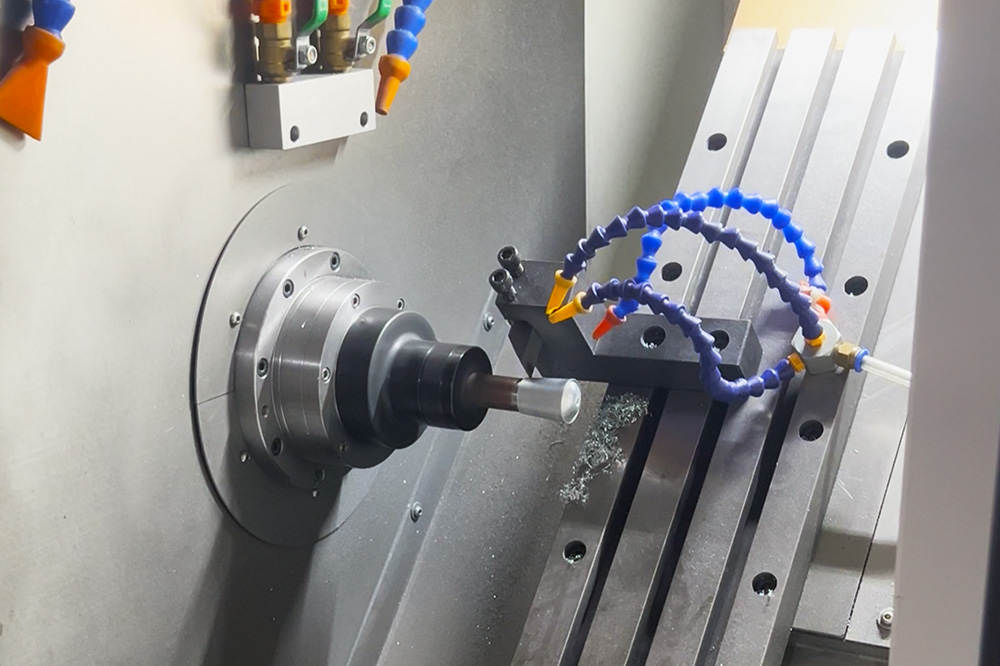
In the premium perfume sector, zinc alloy (Zamak) is the material of choice to manufacture the caps for luxury perfumes, individualised bottle plaques and luxury closures. With its pleasant heavy hand-feel, neat structural precision and wide range of electroplating options, Zamak enables niche and luxury brands to replicate even the most complex 3D design concepts into real luxury packaging. How does a custom zinc alloy cap transition from a preliminary 2D blueprint to a flawless, mirror-polished piece on a luxury perfume bottle? As a premier custom Zamak perfume cap manufacturer and full-suite fragrance packaging supplier, Leaders Packaging, we present a comprehensive step-by-step breakdown of the zinc alloy precision die-casting process. 1. Product Design & Design for Manufacturability (DFM) Superior die casting is achieved through stringent engineering within our R&D department of day one. Die before the mold manufacturing starts engineering have a review of client 3D CAD files by applying DFM concept. Consistent Thickness: Although Liquid Zamak fills out well, thick and thin walls may induce internal shrinkage or surface air holes. Perfume cap wall thickness is usually optimized within 1.5mm-2.5mm to get perfect structural integrity and heavy feel without casting defects. Draft Angle Considerations: Adding a 1° to 2° draft angle will ensure easy removal from the mold cavity and protect sharp brand logotypes and reliefs from surface defects. Moldflow simulation: High-end simulation software simulate molten Zamak flow in the mold and predicts air traps or cold shuts to find out the best gate and vent positions. 2. Precision Tooling & Mold Trials The mold is the core of the precision die casting. Mirror finishes on luxury perfume caps require micro-level tooling precision. STEP 1: CNC Machining & Electrical Discharge Machining (EDM) High precision CNC milling and EDM form the mold cavity to the tight tolerances of ±0.01mm. Step 2: Tooling Heat Treatment/Nitriding H13 steel is treated with hardening and nitriding, it will allow the mold to last for 100,000~300,000 shots. STEP 3: T1 Mold Trial & CMM Inspection Initial sample castings undergo Coordinate Measuring Machine (CMM) dimensional verification and cap-to-bottle fitment testing. 3. Hot Chamber Die Casting Execution The production of zinc alloy perfume caps is made by high efficiency hot chamber die casting machine. High quality ingot (like environmentally friendly Zamak 3 or Zamak 5) is melted in a pot on the inside at 410°C to 430°C. A hydraulic plunger pushes molten zinc alloy through the gooseneck into the mold cavity at a high pressure (10–30 MPa). High heat dissipation solidifies the metal within seconds, permitting auto ejection with mold opening. 4. Post-Processing & Hand Polishing Raw castings feature gates, overflows, and minor flash that require multi-stage mechanical refining: Gate & Flash Trimming: Precision trimming dies cleanly strip away sprue metal and runner systems. Vibratory Tumbling & Hand Polishing: Because perfume caps are tactile touchpoints, surface quality is paramount. Castings are subjected first to vibratory deburring and then to skilled manual polishing with the use of cloth wheels, which removes parting lines and micro-porosity, resulting in a perfect mirror finish. 5. Luxury Surface Finishing Processes Surface finishing adds metallic luster, color depth, and corrosion resistance to Zamak perfume closures. Finishing Method Process Characteristics Visual & Tactile Result Best Suited For Luxury Electroplating Rack plating with multiple layers (Copper-Nickel-Chrome/Gold); exhibits good adhesion and salt-spray resistance. Shiny Chrome, 24K/18K Gold, Rose Gold, Gunmetal, Brushed Antique Bronze. Classics caps for the high-end and heavy metallic closures. PVD Coating   (Physical Vapor Deposition) Eco-friendly, ultra-hard, highly resistant to wear and fragrance oil corrosion. Vibrant, custom colors with a sophisticated metallic luster and exceptional color stability. Specialised niche perfume lines and exclusive luxury editions. Lacquering & Spray Coating Combined with silkscreen printing, hot stamping, or laser engraving. Matte soft-touch, high-gloss piano lacquer, opaque ceramic-feel finishes. Trendy seasonal fragrance lines and color-matched cap designs. 6. Quality Control & Component Assembly Finished caps are subjected to stringent QA to comply with the global packaging norms prior to dispatch: 100% visual inspection: Rigid screening for scratches, pits, plating bubbles or color variation. Cross-Hatch & Salt Spray Testing: Confirms the adherence of the coating and provides assurance that it will hold up to perfume oil exposure, as well as environmental rusting. Plastic Insert Fitment & Pull-Force Testing: Well-designed plastic inserts (PP/POM) are inserted within the zamak casing to ensure maximum snap-on retention force and ease of cap removal. 🌟 WHY PARTNER WITH LEADERS FOR YOUR FRAGRANCE PACKAGING? Leaders Packaging is one of the leading suppliers of custom Zamak perfume caps and turnkey fragrance packaging solutions to the global luxury markets, In-House Production: Mold engineering, die casting, hand polishing, electroplating and final assembly all managed for you under one roof. One-stop PP packaging solution: Leaders offers more than Zamak caps, but also perfume glass bottles, customised metal plaques, fine-mist pumps and customised gift boxes. World Class Conformance: Product is fully compliant with EU REACH and ESG regulations, and is free of lead and compliant with the nickel release directive to allow for export worldwide. Conclusion From CAD engineering and precision tooling to hot chamber die casting, hand polishing, and luxury electroplating, creating a premium Zamak perfume cap demands technical rigor at every step. Partnering with an experienced turnkey supplier ensures seamless execution and elevates brand value in competitive markets.
Tapones de perfume personalizados: Cómo las marcas de fragancias de lujo eligen el tapón adecuado

Tapones de perfume personalizados: Cómo las marcas de fragancias de lujo eligen el tapón adecuado

Custom perfume caps can transform a fragrance bottle into a total sensory experience. The caps protect the spray mechanism, express the fragrance and the packaging, and give a meaningful twist to the daily use of perfumes and fragrances. The choice of the cap is not limited to the color and the price. It has to match the fragrance, the bottle, the closure, the decoration process, and the point of sale. For LEADERS, custom perfume caps are an integral part of luxury fragrance packaging, and the materials and surface finish are as important as for the rest of the packaging. Why Custom Perfume Caps Carry So Much Brand Value In fragrance, even the smallest detail can have a huge impact on the overall emotional impression of the product. For instance, a well-designed cap that opens and closes smoothly and has a solid base that fits perfectly in the bottle shoulder shows that one has gone the extra mile to pay attention to the smallest of details. This is especially important for niche perfume lines, gift sets, as well as for higher-end launches that are expected to sit on a vanity for a long time after the initial purchase. Your perfume caps can also give your brand a recognizable silhouette. A square glass bottle, for example, is architectural with a dense metal cap, soft with a rounded resin cap, and natural with a wood-effect cap. The cap is a visual shortcut to your collection and will make your bottle more recognizable in your store displays, on your social media pages, and at the moments of repeat purchase. For a perfume cap manufacturer, the biggest challenge is to translate the design into production. A cap can look beautiful in a rendering, but it has to fit the sprayer, has to be in line with the bottle, can be dropped during transportation and handling, and must still look perfect after assembly and distribution. Material Choices Behind a Premium Cap Feel Material is the fastest way to change the perceived value of a fragrance package. It affects touch temperature, hand weight, molded detail, and the way light moves across the surface. LEADERS works with Zamac, aluminum, plastic or resin, and wood-related cap directions, giving brands different routes into premium perfume packaging. Zamac for weight, definition, and sculptural detail For fragrances that deserve a heavier, more collectible form, a Zamac perfume cap is the perfect solution. The material is ideal for supporting strong geometrical lines, crisp edges, plaques, and relief decorations. A wide range of luxury surfaces can be realized, such as polished, electroplated, matte, or textured finishes. The cap is the object that is most linked to the brand, and therefore it should not be used as a simple closure. Aluminum, resin, and wood directions for different aesthetics Aluminum perfume caps are light and stylish and are especially suitable for fresh, unisex, travel, or contemporary fragrances. They match perfectly with metallic finishes and express refinement without being as heavy as Zamac. For brands looking for a light cap with a smooth surface, Aluminum is a very suitable design option. Plastic caps can be made to support colors. Plastic caps let designers use translucent or soft shape designs. Plastic caps can even grow into line extensions. Wood or wood-grain capped bottles give a contrast to most fragrances. Wood or wood-grain capped bottles are perfect for artisanal or natural positioned scents. As, with any material the best caps are those that support the fragrance concept and user environment. Closure Experience Matters More Than It Looks A stunning cap can look terrible when you actually put it on, and it’s loose, it’s rough, or it’s just not sitting right. It’s got to go on and sit right. It’s got to protect the pump. It’s got to feel the same way every time you open and close a bottle. For Luxury fragrance packaging, opening and closing a bottle is part of the ritual. Magnetic perfume cap designs are popular as they allow for a smooth and deliberate closure. The magnetic pull creates a satisfying moment of alignment. The closure of premium perfume bottles is particularly important and is expected to close quietly and with confidence. Caps for refillable bottles need to withstand repeated opening and closing without making the bottle feel like it is only to be used temporarily. In addition to a durable finish, the cap should also have stable closure characteristics and a good grip. Surface Finishing Turns Structure Into Desire The material of a cap gives it the necessary shape and structure, whereas the finish is what ultimately gives the cap its character. Polishing a metal cap can create a jewelry-like effect, whereas a matte finish can create a more architectural and quiet effect. Electroplating allows for a change in mood from classic gold to cool silver or even to more decorative and darker tones. Spraying and transfer effects create a link between the fragrance and the color of the bottle glass and the outer box, or even create a contrasting effect. In finishes, we choose the best finish for the world of the fragrance and not as a decoration on its own. A high-gloss metallic cap can be suitable for a powerful evening fragrance. A satin finish can be more intimate for a skin fragrance or a minimalistic eau de parfum. How to Choose the Right Cap for a Fragrance Project The smartest starting point is the fragrance position. A luxury extrait, a clean everyday eau de parfum, a travel spray atomizer, and a gift-set miniature all ask different things from the cap. Once the product role is clear, the brand can narrow material, closure style, finish, and decoration without turning the cap into a random design exercise. Bottle compatibility must be considered when choosing a cap. The cap needs to protect the sprayer fit well on the neck of the bottle and keep the line of the glass, pump and closure looking clean. A cap that looks nice by itself can look completely different when placed on a bottle.The final choice depends on how the product will be used. A product meant for display, in stores will benefit from a detailed design whereas a portable perfume will need a strong surface and simple handling. Conclusion A perfume cap is not a finishing touch to a fragrance. It contributes to the customer’s perception of value, of quality and of the brand’s character. The strongest decisions regarding caps relate to the material, the closure, the surface finish and the bottle. Most importantly, they need to work in real-life situations. For fragrance brands creating packaging for their luxury, refillable or portable fragrances, LEADERS provides a clear development route from the cap concept to completion of the finished packaging detail. Find out more about LEADERS’ custom perfume caps that create as much of a memory as the fragrance itself. FAQ Q: What makes custom perfume caps important for luxury fragrance packaging? A: First of all, Custom perfume caps can influence the first touch and the bottle silhouette. Furthermore, the closure feel and the perceived value of a fragrance are affected as well. In luxury packaging, the cap helps to make the product complete and memorable. A well-matched cap can make a bottle feel heavier, cleaner, warmer, more modern, or even more collectible, depending on the material and finish. Q: When should a brand choose a Zamac perfume cap? A: A Zamac perfume cap can be a very good option when you need weight and crisp details in your perfume cap, and you want to give your brand a very premium metal feel. A Zamac cap can be sculptural, a decorative plaque, polished or matte, depending on the look you want to create for your fragrance. Of course, it has to balance with the size of the bottle and the overall design mood. Q: Are magnetic perfume caps suitable for refillable perfume bottles? A: Magnetic perfume caps can be suitable for refillable perfume bottles. However, the closure has to be carefully matched to the perfume bottle and the sprayer. The smooth closing motion is very suitable for repeated use of the closure. In case of refillable packaging, the cap also has to be equipped with durable finishing and has to feel good when handling the bottle, in order to continue to look and feel great in the long run. Q: How can travel spray atomizer packaging keep a premium brand feel? A: Travel spray atomizer packaging is compact, secure, and consistent with the fragrance line when full-size. Material, cap or case finish, spray comfort, and color direction are key when creating a portable version of packaging that is of premium quality and is consistent with the main bottle in terms of design and tactile quality.
Hogar
WhatsApp
Correo electrónico
Contactos