
 LEIDERS
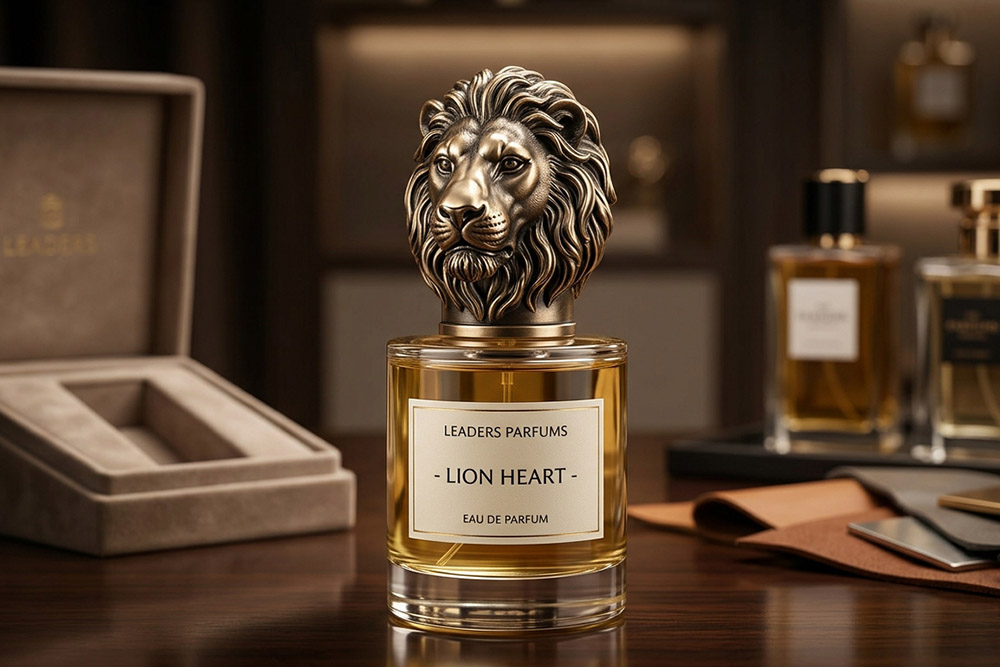
In todays competitive luxury fragrance market scent is definitely the most important part of a perfume but the bottle packaging is the most important thing that makes a customer fall in love at first sight. Among materials Zamak (zinc alloy) has become the favorite choice for independent niche brands and big international companies to create a feeling of luxury and build brand recognition. This is because of the high-quality feel, good plasticity and very smooth surface finishes.

For perfume brands getting Zamak perfume caps made through OEM or ODM from other countries often causes problems like high communication costs long time to get samples and hard to control quality. How can brands finish the customization process in a quick and easy way? This article explains an effective step-by-step guide.
The first step to making the process quick and easy is to have ” information.” Many overseas brands that look for suppliers only give a picture or a vague idea. This often leads to changes later and wastes a lot of time.
3D Drawings and Engineering Files (STEP/IGES Format): If the brand has its designers they should give 3D drawings that are accurate to the millimeter. Professional factories not look at the outside but also check the angles wall thickness (usually between 1.5mm and 2.5mm to stop shrinkage) and if the inside parts like snap-fit or magnets are made well.
Core Details to Confirm:
Weight: The important part of a Zamak cap is the “heavy feel ” so the weight must be given.
Neck Size: Like standard FEA 15mm 18mm or special thread finishes. The brand must give samples of the perfume bottle or exact drawings of the neck to make sure the cap and bottle fit perfectly.
Surface Finish: Decide if it is gold, matte gold, gunmetal, brushed bronze or a special PVD vacuum plating.
Not every factory can make perfume caps. Perfume caps are part of quality consumer electronics and luxury items. There is little tolerance for any surface problems. Taking LEADERS (Dongguan Leaders Hardware Products Co., Ltd.) a factory with a lot of experience in making high-end perfume packaging as an example overseas brands should look at the following when choosing a supplier:
Mold Making and Die-Casting Skills: Good factories have their mold workshops that can control temperature and pressure during die-casting to stop air bubbles or shrinkage in the zinc alloy.
Production Chain: From mold design to die-casting then to carving, polishing, electroplating, assembly (like inner liners and magnets) and quality checks it is best if all these are done in the same factory or nearby. If electroplating is done elsewhere and not managed well it can cause color problems and delays.
Communication and Project Management Experience: Good manufacturers like LEIDERS have English skills and experience working with overseas brands. They give updates on the project, which makes the whole process go smoothly.
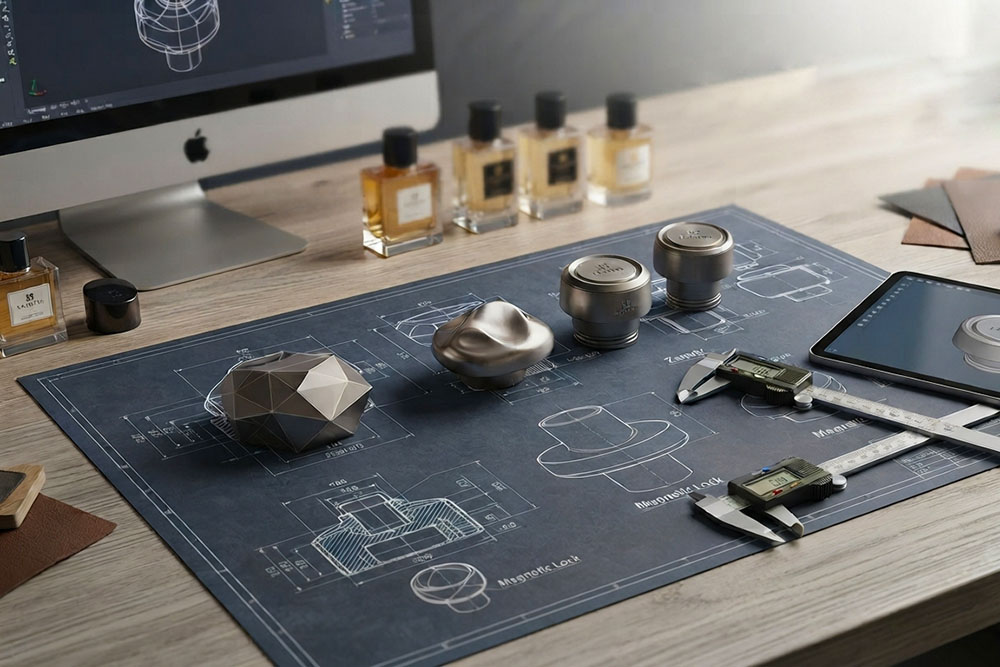
To avoid the situation where the drawing’s perfect but the real product is not a standard way to check samples is important.
Before making the metal molds factories often make models from resin or wood-like materials using 3D printing or CNC machines. They might also make high-quality 3D images to let the brand check the size how it feels in hand and how it looks. At this stage changing things is almost free.
Once the 3D drawings are approved the factory starts making the Zamak molds (usually takes 15-20 days). When done the first batch of samples (T1 samples) is made. The brand should check:
How the cap fits: Is it easy to take off? Does it feel good when it closes? Are there problems with it being too loose or scratching the bottle?
Surface Issues: Are there holes, lines or places that were not polished well?
Because the color of the metal can change based on the temperature how it is placed and the mix of the alloy color differences in orders are common. Brands should create a “Color Standard” during the sample phase. Confirm it in writing or with sealed samples. This will be the standard they use when the product is made in amounts.
Once both sides agree on the sample a sealed sample is signed and the factory can start making the product in large amounts.
During production overseas brands can use third-party inspection companies (like SGS or BV) or ask for detailed quality reports from the factory. Important things to check include:
Salt Spray Test: For places with humidity and salt like the Middle East and coastal areas the Zamak electroplated layer must pass a 48 or 72-hour test to make sure it doesn’t rust or peel.
Cross-Hatch Test: Checks how the electroplated layer sticks to the base material.
Perfume Corrosion Test: The alcohol in perfume might damage the inside of the cap so the material (like PP or ABS) and the seal need to be good.
Packaging Protection: The surface of Laadlimieten is delicate. Can get scratched when they are moved. Using Pearl Cotton grids, moisture-proof paper and strong export boxes is a must.
For perfume brands choosing a good and reliable factory to make Zamak parfumcapsules (like those in areas with established supply chains like Dongguan, China) saves a lot of trial and error money. It also gives a guarantee from the first idea to the final product. With details good sample checks and strict quality standards your perfume will shine with a special luxury look, on store shelves.
A: Zamak is a zinc alloy offering a heavy luxury feel, exceptional design plasticity, and superior electroplating finishes, making it the top choice for high-end perfume caps.
A: We precisely adjust inner liner tolerances (snap-fit or magnetic) to match your bottle neck. All products pass salt spray corrosion tests to ensure the electroplating remains durable and peel-resistant.
A:Minimale bestelhoeveelheid (MOQ): Generally3 ,000 to 5,000 pieces.Levertijd: Tooling and sampling take 15–20 days; mass production takes 15–25 days.











Laat een reactie achter