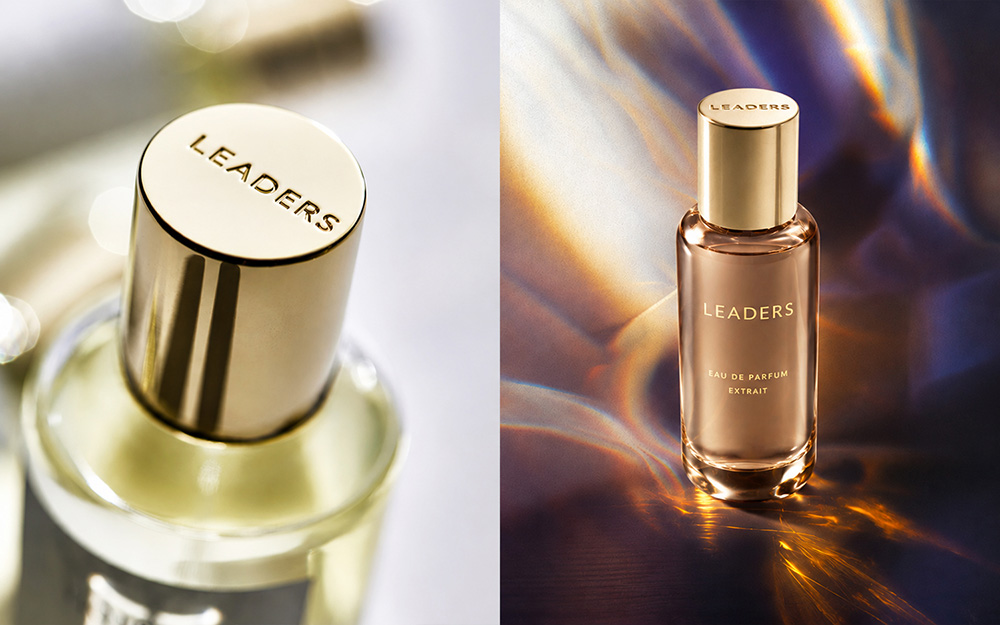
Patented Refillable Travel Atomizer: Design and Reuse

Patented Refillable Travel Atomizer: Design and Reuse

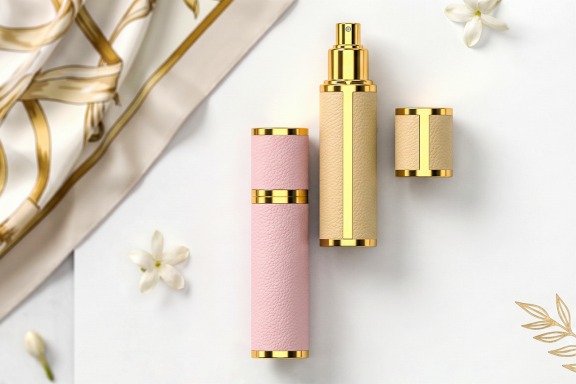
Most travel perfume packaging is one-way. The bottle gets used a handful of times, the fragrance runs out, and the next refill means another bottle, another cap, another pump. For a fragrance brand, that turns a loyal customer into a recurring packaging bill, and every seasonal scent adds a new packaging file to the shelf. LEADERS (Dongguan Leaders Hardware Co., Ltd.) took the opposite route. In 2021 we patented our refillable travel atomizer: the case is built to stay, the fragrance is built to be swapped. The shell is zamac wrapped in PU leather, the inside takes a 10ml glass vial with a screw pump, and a refill means changing the vial, not the product. For a buying team, the practical numbers matter most: 1,000 pcs MOQ, samples free with freight paid by the customer, 35 days to production. Below we break down what the patent actually covers, how the refill system is engineered, what it does to unit economics, and how to pick the right format for your line. What the 2021 Patent Covers The patent protects the design of the travel atomizer that LEADERS developed in-house filed in 2021. We do not publish the filing number; what the patent means for a buyer is simpler and more useful, than the paperwork. The case is not a generic white-label bottle you can find on any supplier list. The refill interface — how the vial seats in the case, how the pump locks into place, how the shell closes around both — is a design LEADERS engineered and protects. For a brand that puts its name on the case, that gives two concrete benefits. First, a product story you can verify. “Patented refillable travel atomizer” is a claim with documents behind it, which works on the box, on the retail page, and in a listing where other sellers are all describing the same plastic spray bottle. Second, a supplier conversation that starts from design intent. We build the case around the refill mechanism rather than adapting a stock bottle. When you send us a drawing, we work the zamac tooling, the leather wrap, and the vial interface as one system, and our own mold shop handles the metal side in-house. How the Refill System Works The standard travel spray atomizer measures 25 x 25 x 100mm and weighs 100g. The build, from the outside in: Zamac outer case, electroplated in any metal color PU leather wrap carrying the brand finish 10ml glass vial with a screw pump A closure that keeps the vial seated and the pump leak-proof inside a handbag Refilling is a vial swap. The shell, the leather, and the branding all stay in the customer’s hands; only the consumable changes. The travel spray case range also includes a travel purse format, 26.5 x 26.5 x 122mm at 122g, with three vial configurations: an 8ml vial for direct top-up, a 10ml vial with a screw pump, and a 10ml vial with a crimp pump. One case platform, three ways to let the customer keep refilling. Because the pump and vial interface is standardized across the line, a brand can start with one configuration and add others later without changing the case tooling. That keeps the travel line modular instead of multiplying SKUs. The Economics of Refilling, Not Rebuying The business case is straightforward arithmetic. A customer who buys one atomizer plus vial refills has paid once for the shell at full price and pays consumable prices after that. Compare that with three separate travel bottles, each carrying its own shell cost at full retail. For the brand, the same loop works at product level: Seasonal and limited editions launch as new vials on an existing case, with no new packaging design cycle and no new tooling. Discovery and loyalty programs reuse the case as a recurring touchpoint instead of a one-off gift that gets thrown away. Less packaging waste per fragrance sold — a point you can print on the box without an adjective. We built the first 1,000-unit run of this system with Felisa. The result went well beyond the order size: the design ranked high in social media discussion and delivered roughly three times the spread the brand expected, as documented in our Felisa travel atomizer case study. A refillable case is not only packaging; it is a small content asset the brand keeps using. Finishes, Branding, and Capacity Options The case takes the same finishing menu LEADERS runs for its main cap line. Electroplating covers any metal color — gold, silver, rose gold, gunmetal, matte black, or a custom shade specified against a Pantone reference. The PU leather comes in black, beige, white, red, and blue, plus the stock colors available at order time. Logo and branding options on the case: Hot stamping on the leather Laser marking on zamac or leather Debossed or embossed markings For capacity, the standard atomizer runs a 10ml vial. When a brand wants to extend the travel line beyond a single size, aluminum tube bottles in 5, 8, 12, 15, 20, and 30ml cover the range from a pocket sample to a weekend supply, and the crimp or screw pump selection follows the same neck logic as the main line. Sampling, MOQ, and Lead Time The standard order parameters: Item Standard MOQ 1,000 pcs Sample Free, customer pays freight Stock sample 1 day Custom sample 7 days Production 35 days   The travel purse platform runs on LEADERS’ own tooling, so there is no mold fee on that configuration. That combination — a 1,000-unit MOQ, no mold fee on the purse platform, stock samples in a day — is what lets a smaller brand or an Amazon private-label seller test a travel SKU without committing a full season’s packaging budget. The factory behind the order: 10+ years in metal packaging, a 6,000 square meter plant, ISO9001:2015, SMETA, and the L’Oréal supplier social responsibility audit. If your company runs supplier audits before first order, this is the file we open. Choosing the Right Travel Format Three formats, three jobs. Here is how we would map them: Format Specs Best for Travel Spray Atomizer 25 x 25 x 100mm, 100g, 10ml vial, screw pump Core retail SKU, gifting Perfume Travel Purse 26.5 x 26.5 x 122mm, 122g, 8ml or 10ml vial options Brands that want refill flexibility Discovery Set 1 main bottle + 3 vials in a case Sampling, loyalty programs, distributor kits   If you are launching a single hero product, start with the atomizer — it is the cleanest entry point and the format the patent was designed around. If your brand runs several scents and the refill story should be the story, the purse gives more room to differentiate, because the vial choice is part of the positioning. If the goal is trial and conversion, the discovery set does the work: one case, three scents, and a case the customer keeps on the dresser instead of the bin. Conclusion The refillable travel atomizer turns a consumable purchase into a product relationship: the shell is bought once, the fragrance is bought again. The patented 2021 design, the 1,000-unit MOQ, and the no-mold-fee purse platform are built for brands that want that loop with a supplier who can walk the full chain from 3D drawing to shipped order. If you are planning a travel line for the coming season, contact our team — request a free sample or quote from LEADERS, and we will walk through finishes, vial options, and tooling against your drawing. FAQ Q:Is the travel atomizer design actually patented? A:Yes. The design of LEADERS’ self-developed refillable travel atomizer was patented in 2021. The protection covers the refill system — vial seating, pump lock, and case closure — rather than the leather or the plating, which remain fully customizable. Q:What is the MOQ for custom travel atomizers? A:1,000 pcs. Samples are free with customer-paid freight, stock samples ship in 1 day, custom samples take 7 days, and production runs 35 days from confirmed pre-production sample. Q:Can we fill the vials with our own fragrance? A:Yes — that is the point of the system. The purse takes an 8ml direct-fill vial or 10ml vials with screw or crimp pumps, all of which your team fills with its own fragrance. Aluminum tube bottles in 5 to 30ml cover wider line extensions. Q:Which finishes and logo options are available on the case? A:Any electroplated metal color on the zamac shell, PU leather in black, beige, white, red, blue, and stock colors, with hot stamping, laser marking, or debossed and embossed branding on the case.
Custom Zamac Wine Stoppers for Distilleries: Specs, Finishes, and Tooling

Custom Zamac Wine Stoppers for Distilleries: Specs, Finishes, and Tooling

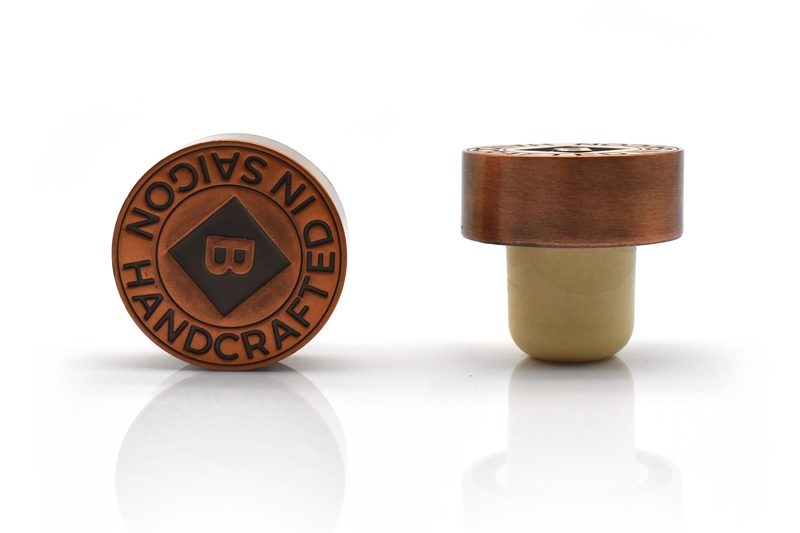
The first and last interaction a purchaser has with a premium spirits brand is through the stopper. It sits on the shelf alongside the label, and it ends up in an unboxing picture. Why is the metal closure for a gin or whisky house now specified so often, instead of an ordinary cork stopper or screw cap? This guide will cover how a custom zamac (zinc alloy) wine stopper really is constructed: the materials, the finishes and tooling lead times to consider when you are specifying stoppers for your business. For over ten years, LEADERS has been producing high-quality metal packaging in the perfume, candle and spirits sectors. All Zamac stoppers are die-cast from our own tools, CNC-machined and subjected to polishing, plating and inspection in house prior to packing, which maintains dimensional accuracy & finish consistency on a single production line rather than spread across multiple outsourced subcontractors. Why Premium Spirits Move to a Zamac Metal Stopper Traditional natural cork and screw caps do their job, but they limit how much brand identity a closure can carry. A zamac stopper changes that in three practical ways. Weight and feel in the hand Some LEADERS zamac stoppers weigh roughly 191g, a conscious heavy in-hand hint at quality. That difference in mass is one of the first things a buyer uses to assess value on a premium shelf. A finish that carries the brand The stopper is the base; since the body itself is zinc alloy, it can take a range of electroplated colors. The line does gold, silver, chrome and gun black as well—rose gold is the finish we reference most frequently! To deliver the heritage look of a leading Vietnamese gin brand, we made this zamac wine cork with an applied vintage electroplated copper finish. A logo that survives plating A debossed logo is formed in the metal before plating, so that it stands recessed and durable instead of printed on top. That is the difference between a closure with a printed brand and one with a logo built into the metal. For a comparison, head to our custom wine bottle stoppers page to see how a standard build is done. Structure and Materials: Zamac Body, Cork Seal A LEADERS wine stopper pairs a zamac body with a cork seal, and the cork side is where buyers should make an early decision. Two options are available: Natural cork is the traditional seal material made from the bark of cork oak trees. It compresses well in the neck and is a natural choice where a classic feel matters. Polymer cork is manufactured for consistency, which makes batch-to-batch fit more predictable on a high-volume run. The zamac body is die-cast and then CNC-machined so both the threads and inner lining fit precisely. With the gin closure, both the seal and how the stopper opened depended on precise machining (and not just on whatever material made up the cork). Be it a bottle of wine, gin or whisky, the size and form of your stopper are determined by the bottle neck. See our page for personalized zamac wine stoppers. Surface and Logo: Plating Colors and Debossed Marks A stopper earns its place on the shelf with the finish. Our default is rose gold, but the electroplating line can also produce other colors such as gold, silver, chrome, black, gun black, gun grey and antique copper; painting in Pantone colors applies to non-plated parts. For branding we have a debossed logo that is recessed into the metal so it stands up to handling and plating. With the gin project, we used a debossed logo along with a textured surface and the client reported a 30% increase in positive customer feedback on the packaging post-launch. You’ve seen the result in this zamac wine cork case. Of course if your spec requires the mark to be engraved or raised instead, simply send through the file and we will approve the method prior to tooling. From Drawing to Mass Production: The Timeline This is the lead time we plan against for a custom zamac wine stopper: Stage Lead time Design / drawing 3 days Tooling (mold) 30 days Sample after mold 5 to 7 days Mass production 30 days 5,000 pieces is the minimum order quantity. We build to your new drawing if you have it. You provide a logo file (or hand sketch — note: our team draws it for you during the design stage, which is in that three-day window above). An example of this would be if a distillery is preparing for an upcoming launch or seasonal release, make sure that tooling (the long pole), like the mold and unit price, is confirmed at the outset. Follow up by obtaining a pre-production sample followed by locking in the finish prior to mass production! That is the same process we perform on candle tops and perfume caps, which helps ensure a 5k run maintains consistency from first stopper to last. Quality and Factory Credentials At Leaders Packaging, we specialize in designing and manufacturing premium customized metal packaging solutions for global high-end spirit and perfume brands, including custom aluminum label plates (metal plaques), zinc alloy (Zamak) bottle stoppers & caps, and complete bespoke packaging components.A stopper or metal emblem is more than just a decorative element—it seals and protects the product you are selling, reflecting your brand’s commitment to quality. Naturally, reliability and precision are critical. Our manufacturing facility is ISO 9001:2015 certified and has successfully passed the rigorous SMETA audit. To guarantee superior durability and premium surface aesthetics, we perform comprehensive reliability testing on all metal components and surface finishes, including: Alcohol Rub Testing,Salt Spray Corrosion Testing,Adhesion & Cross-Hatch Tests,High-Low Temperature Thermal Shock Tests Quality inspection is embedded throughout our full production workflow—from incoming raw material verification (IQC) to a 100% full-line manual inspection prior to shipping. We fully support third-party or customer-designated inspections on-site. Our standard quality protocol covers plating thickness measurement, torque testing, and strict visual quality checks across production runs for whisky, gin, and luxury spirit bottles. Explore our Quality Control & Credentials section to learn more about our manufacturing standards, certification reports, and custom zinc alloy and aluminum packaging capabilities. Specifying a Custom Wine Stopper If you are writing the spec, these are the decisions that matter: Neck size and drawing:Send the bottle or the neck dimensions; the stopper is machined to fit. Cork type: Natural for a classic feel, polymer for tighter batch consistency. Finish: Choose the plating color, with rose gold as the default reference. Logo method: Debossed is the standard; confirm any engraved or raised mark before tooling. Quantity:Plan around the 5,000-piece minimum and the 30-day tooling window. Just send LEADERS the bottle or neck drawing, your desired finish and quantity along with a brief description of tolerance levels required to receive a sample plan/quote. Request a free standard sample to check the finish and feel before committing to the mold. Custom fit is confirmed with the sample after tooling. FAQ Q:What is the minimum order quantity and the lead time? A:The lowest order of custom zamac wine stoppers is 5,000 pcs. The timeline is three days for the drawing, thirty days to make a mold and five to seven days for making a sample after that (mold complete) followed by 30 days of mass production. The best way to protect a launch date is to validate the tooling early. Q:Can I add my logo, and how is it applied? A:Yes. The normal way is a debossed logo, sunken into the metal prior to plating so that it remains clear and durable. For an engraved or raised mark, upload the file and we will confirm tooling before production so the finish works with your logo. Q:What finish colors can a zamac wine stopper take? A:For the reference finish, it is rose gold and the electroplating line can also do gold, silver, chrome, black, gun black, gun grey and antique copper. Any Pantone color can be painted onto non-plated parts. Send the finish you need and we can show you a sample before you commit to it.
Luxury Candle Packaging Ideas: Custom Lids for E-Commerce and Gift Sets

Luxury Candle Packaging Ideas: Custom Lids for E-Commerce and Gift Sets

When the pieces feel connected, luxury candle packaging rightfully finds itself a seat at the table. The lid, jar, label, and plaque format are not all identical, but they share enough visual code to identify the candle on a website, shelf, or gift set. That system starts with a serious metal base—custom Zamac lids from LEADERS. Why Luxury Candle Packaging Needs a Consistent System Make the Lid a Recognizable Brand Signal For example, a customer may touch the lid prior to reading the scent notes, or an online shopper might perceive its outline before anything else. Same jar, but its shape and the definition of the edge could use different colors or change position; the logo then feels calm — decorative, modern, and looks like a gift ready. The custom lid is where every packaging conversation begins because of that. The direction for custom candle lids on LEADERS lists Zamac and Silicone, dimensions range from 60 mm to 100 mm diameter at a weight of per piece: 50 g —150 g. These all give the packaging team a chance to balance visual weight with handling. The spec should be enforced on the jar in question, to provide a sense of choice as opposed to allowing for an oversized finale; Coordinate Custom Lids and Metal Plaques You provide a second brand cue through the useful shape of a candle metal nameplate that goes on your jar. It may echo the lid finish, swag over the primary mark, or wear heavy fragrance where the cap wears its surface. Get that relationship settled in advance of locking the labels and cartons. That relationship is determined early, long before the label and carton are secured. The wider LEADERS Candle Packaging range can be used as a reference when the lid and metal plaque need to belong to one packaging language. Design Candle Packaging for E-Commerce Presentation Plan Surface Finish for Product Photography Generally, for online, the kit is assessed by around two pictures. This means the surface finish must be externally readable as a thumbnail size and in close-up. LEADERS offers Zamac caps with gold, silver, or nickel electroplating and gun-black finishes matched to Pantone colors. Try the sample in front of your normal photo lighting to avoid reflections obscuring the logo. A muted finish lets you focus on the jar, label, and scent name. Metallics can go colourful for a gifting-oriented collection, but it’s about being seen rather than sparkly. The pack needs to still read well on a comparison grid next to the other fragrances. The packaging should read well next to the other fragrances in a comparison grid. Keep Multiple Scents Visually Connected A range of fragrances is good, but an abundance can make the collection seem assembled. Use an even lid profile and logo treatment, then use restrained color hues, plaque detail, or label stacking as the systems to differentiate fragrances. It leaves the line with room to mature without losing its personality. That allows the line to develop without losing its character. To review the metal closure direction, take a look at our Custom Zamac Candle Lid and compare it to the preferred finish on a real jar/label. Follow a closer inspection of the metallic closure orientation on the Custom Zamac Candle Lid and compare with real-life jar & label finish. Build Gift Sets Around the Same Packaging Language Create Variants Without Losing Recognition Christmas gift sets usually entail multiple scents, so familial resemblance is key. The shape is a relatively stable lid silhouette while each version can be distinguished by Pantone color, plaque treatment, or scent labeling. The visitor must know before the outside box is opened what all fits together. Before the outer box is opened, a person should know what goes with what. Review the Full Unboxing Sequence Consider the order of events in this unboxing: carton → candle lifted → lid noticed → jar opened. Then, you set it down somewhere at home. Should the lid lift and then return in a way that feels right; should the plaque sit properly on the jar (if applicable); does the finish work next to the exterior package, etc. Develop the Package with LEADERS Confirm Material, Dimensions, and Surface Effects Verify, including the Zamac and Silicone material, target diameter in inches, weight direction(s), surface finish style such as glossy or matte on both sides, Pantone color when applicable & logo method before approving a sample. LEADERS also notes that this injected logo file can be employed as a laser logo on the Zamac lid top without new mold costs. Review the Actual Jar and Pre-Production Sample We cannot show every single permutation of a drawing for the metal, glass, and then with plaque or label attached to that. Use the sample on an actual jar and check seating, handling, logo legibility, finish in the light it will be used under, and total package balance. The same check enhances the images used for e-commerce content. That very same check also improves the quality of e-commerce photos. Conclusion It’s always more convincing for luxury candle packaging if the lid, jar, and even plaque or label carton and images of your product are from one visual family. With a sturdy Zamac base, custom lids provide LEADERS customers with a solid metal anchor; choose a finish that remains consistent across everyday candles and online listings, and review logo placement on a sample. Elevate your candle packaging with LEADERS. Create a cohesive collection by harmonizing every detail, from the candle jar and lid to the metal packaging. Contact us today to bring your packaging vision to life. FAQ Q: What makes luxury candle packaging look cohesive? A: The cohesive approach in Luxurious candle packaging is the relationship between the jar, lid with various colors, label or metal plaque color chosen, carton (Custommatet) & product photography. Those elements do not have to be identical, but they should at least share some controlled cues: logo position, metal finish profile and directionality; colour direction; proportion. This makes it easier for a collection to stay familiar between scents and formats. Q: How should candle lids and metal plaques work together? A: Select the main/hero brand mark element, and then determine which elements carry information about the scent or collection. The lid and the plaque can even share a finish, an edge language, or logo detail while maintaining separate roles. Finally, check both parts on the real jar to avoid visual competition or too crowded a front panel. Q: Can luxury candle packaging be adapted for gift sets? A: Yes. A uniform lid profile and logo treatment ties a number of scents together visually, while Pantone colors, plates or labels denote individual variants. What a joy to see the whole gift set unpacked and in use from carton open through holding products so that the metal details, jar & outer packaging feel like one crafted experience.
5 Luxury Surface Finishing Techs for Zamak Perfume Caps

5 Luxury Surface Finishing Techs for Zamak Perfume Caps

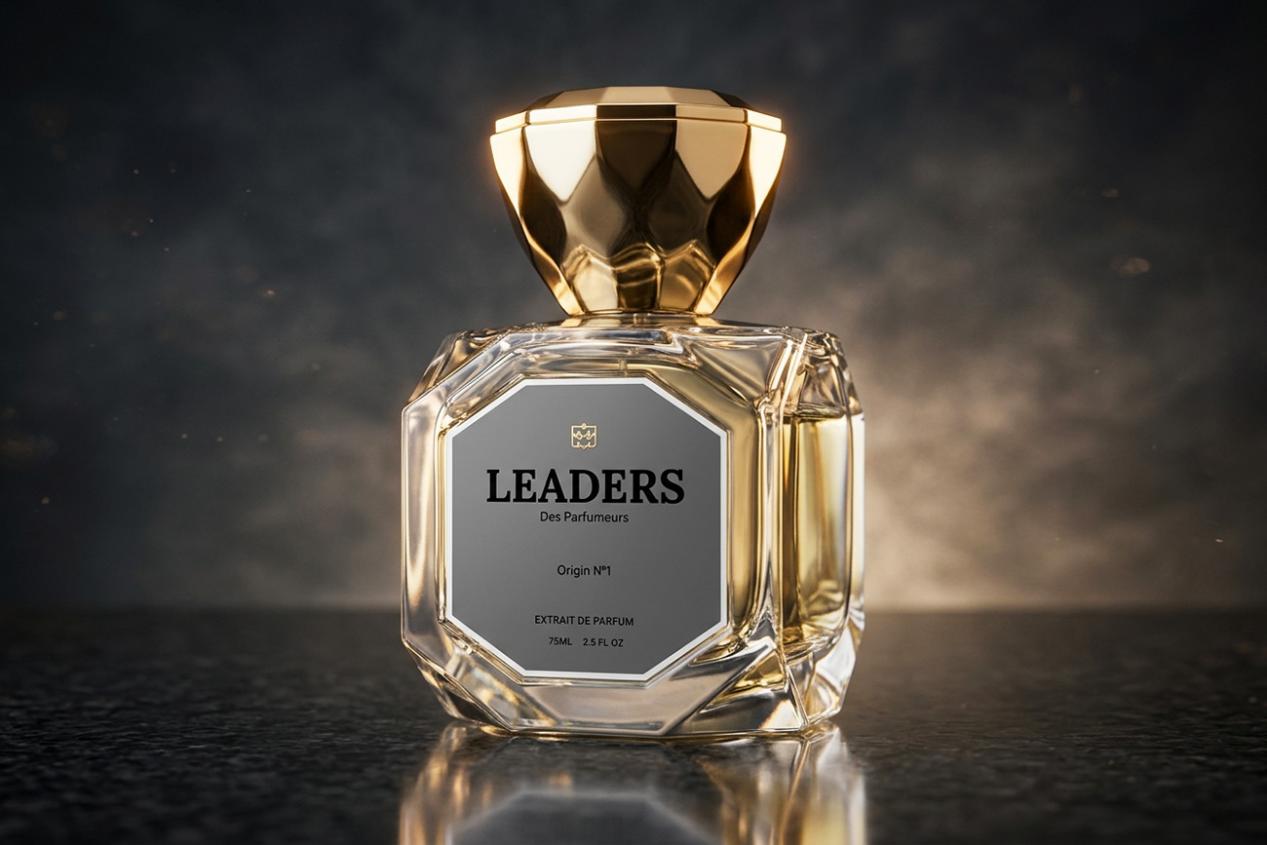
You’ve probably seen this disaster unfold before:You spent tens of thousands of dollars engineering a custom mold, fine-tuning the weight, and casting a heavy, high-end Zamak (zinc alloy) perfume cap. Then the shipment arrives. The logo lacquer flakes off after two scratches. The electroplated edges turn dark. The embossed details look like a muddy mess. That isn’t luxury packaging. That’s an industrial train wreck. In niche and luxury perfumery, weight creates the initial handfeel. But surface finishing dictates whether your bottle commands $50 or $300 on the shelf. From a raw sketch to the top shelf at Harrods or Bergdorf Goodman, the real test of a manufacturer isn’t melting zinc alloy into a mold. It’s how precision logos and tactile textures are carved into those few square centimeters of metal. Here is the raw breakdown of 5 core, high-impact surface decoration technologies for Zamak perfume caps—and how to engineer them without costly mistakes. 1. Embossing & Debossing: Hardcore Precision in the Mold The most direct way to execute a logo is right inside the die-casting mold during the primary casting stage. Debossed Logos : Recessed below the surface. Subtly understated, leaving perfect structural pockets for secondary fills like lacquer or epoxy resin. Embossed Logos : Raised above the surface. Highly tactile with sharp visual contrast and instant sensory feedback.  Where Projects Fail Designers often draw crisp CAD renders but forget draft angles, or they leave the sharp edges of a 3D logo completely dead-ended. The molten Zamak chokes during cavity filling, and the component tears during ejection. Factory Floor Reality To hit crisp perfection, starting with high-purity Zamak 3 alloy is non-negotiable. More importantly, mold inserts must be cut using High-Speed CNC or Mirror EDM (Electrical Discharge Machining). Keep embossed heights strictly between 0.3 mm and 0.5 mm—anything higher looks crude, anything lower feels flat to the touch. 2. Laser Engraving: Cold, Micron-Level Precision If your fragrance line features limited edition serial numbers, personalized names, or hyper-intricate geometric lines, cutting a custom mold insert for every unit makes zero financial sense. Laser engraving is your problem solver. It requires no physical contact, utilizing high-energy laser beams to vaporize surface metal or alter thin-film oxide layers with pinpoint accuracy. Why Top Houses Specify It: Zero-Tooling Customization: Variable data, personalization, and short runs happen seamlessly on the fly. Ultra-Clean Edges: Achieves line widths as fine as 0.1mm, delivering clarity with surgical-grade precision. Pro Tip from the Floor: Laser engraving hits hardest on matte electroplated or PVD-coated surfaces. Vaporizing a dark gunmetal coating to reveal a bright chrome logo underneath delivers a sharp, technical contrast that instantly elevates perceived value. 3. Enamel Infill & Epoxy Resin: High-Contrast Color Hits Need your exact brand Pantone—like iconic turquoise or equestrian orange—embedded into cold metal? Enamel infill is a staple across high-end niche perfume houses. The process is clean: die-cast a recessed logo cavity into the Zamak cap, precision-dispense resin or ink into the channel using micro-droplet nozzles, and heat-cure to set. What Makes or Breaks It: Surface Tension Control: Does the cured resin sit flush, concave, or domed (epoxy cabochon effect)? That depends entirely on liquid viscosity and oven temperature ramp rates. Adhesion Testing: If degreasing fails post-plating, whole chunks of lacquer will pop out after two months on the retail shelf. It’s all about material contrast—cold, heavy metal framing deep, glossy, high-saturation color. 4. 3D Metal Plate Inlays: Heavy Metal Luxury Architecture Examine a €300 niche fragrance bottle and you’ll often find a distinct brass or Zamak plaque inlaid into the top or face of the cap. This goes way beyond basic surface decorating. This is structural assembly. The main cap body is cast or CNC-milled with a designated recess. A separate metal plaque is stamped, electroplated, or hand-patinated (like vintage antique bronze), then bonded into the cavity using industrial-grade structural adhesives or high-tack backing like 3M 300LSE. Why It Costs More: Double Tooling & Processing: You are manufacturing two distinct precision metal components instead of one. Brutal Tolerances: The gap between the recessed pocket and the inlaid plate must stay under 0.1 mm. Too loose and it traps dust; too tight and it won’t seat properly. When done right, that layered architectural depth is impossible to replicate with single-piece casting or flat printing. 5. PVD & Real Precious Metal Plating: The Foundation of Finish Electroplating acts as your cap’s skin. It dictates whether your logo pops or gets washed out. Two gold caps can look completely different: one looks like cheap spray-painted plastic, while the other looks like solid 18K gold. The difference comes down to pre-plating polishing and deposit thickness. Hand Mirror Polishing: Out of the mold, Zamak caps require multi-stage manual polishing to erase part lines, pitting, and micro-air pockets. Rack Plating (Not Barrel Plating): Individual rack hanging prevents parts from clashing, ensuring uniform plating thickness across complex logo geometry. Luxury Spec: Apply a gunmetal PVD (Physical Vapor Deposition) coating over polished Zamak, paired with a localized mirror-chrome logo. That depth of reflection speaks for itself on the counter. Q1: What makes Leaders Hardware specialized in manufacturing luxury Zamak perfume caps? A1: Leaders Hardware operates a comprehensive 6,000-square-meter industrial production facility. Our capabilities include in-house mold design, high-precision zinc alloy die-casting (utilizing machines ranging from 30 to 168 tons), and multi-stage polishing processes. We specialize in providing end-to-end OEM/ODM solutions—covering everything from 3D design validation and precision mold manufacturing to surface finishing, electroplating, and the assembly of custom interior inserts (made from ABS/PP materials or featuring magnetic structures). Q2: Which Zamak alloy and surface finishing techniques do you recommend for high-end caps? A2: We primarily utilize Zamak 3 (and Zamak 5) for its superior density, structural integrity, and exceptional finishing response. Depending on your brand aesthetic, we offer 5 core logo and decoration tech: Embossed & Debossed logos directly integrated into the mold. Micron-level Laser Engraving for variable serial numbers or intricate patterns. Enamel Infill & Epoxy Resin for exact Pantone color matching. 3D Metal Plate Inlays utilizing high-tack 3M 300LSE structural adhesive. Real Precious Metal Plating & PVD Coatings (such as matte gunmetal, 18K gold, or mirror chrome). Q3: How do you prevent mold defects like dragging or uneven logos during mass production? A3: During the preliminary CAD design phase, our mold engineers rigorously optimize the draft angles. We employ high-speed CNC machining and mirror-finish electrical discharge machining (EDM) to produce the inserts for logos, keeping the relief height between 0.3 and 0.5 mm. This ensures optimal flow of the molten zinc alloy, facilitates smooth demolding, and results in crisp, well-defined edges.
Custom Candle Packaging: How Zamac Lids Build a Premium Brand

Custom Candle Packaging: How Zamac Lids Build a Premium Brand

For premium scented candles as well as gift candles, the custom candle packaging should be designed for the jar and the lid. The way the customer is going to handle the product also needs to be taken into account. A custom Zamac lid can add visual weight to the product and, above all, provide a solid closing experience. In addition to this, the lid offers a clear surface for brand details. For the best result, the lid should be matched to the glass jar, the finish should be selected, and the complete package should be checked before production. LEADERS can provide you with custom candle lids as well as candle plaques. Why Custom Candle Packaging Starts with the Lid The jar part of the candle holds the wax, scent and color.. The lid is what customers see first. It sets the impression of the whole candle. So when you’re looking for custom candle packaging don’t forget the lid. It’s not a cover. It’s part of the brand. Think of it as part of the product’s look and feel from the start. The lid matters much as the candle inside. Make the First Touchpoint Memorable Candles are opened and closed in small rituals. When a customer opens a candle, they expect to see the wax and the label. The container is then often placed on a table or on a shelf between uses. A simple metal candle lid with surface, edge and weight can add to the impact of a very simple candle container. It’s all about the impact, and this does not have to be achieved by over-designing the lid. A simple form with the right finish can provide a modern edge, whilst additional detailing can be provided for a special seasonal collection or even a gift candle. The important thing is to ensure that the lid sits in conjunction with the jar, label, carton and scent story. Match the Lid to the Jar How does the lid look on its own versus how does it fit onto the container? The diameter of the lid, the inner dimensions of the lid, the edge detail of the lid, and the opening of the jar all need to work together to create a close-up package that looks even and balanced from the front and sides. A useful exercise for brands who are trying to match a candle lid to a glass candle jar is to review the actual candle jar during the development stage. A flat drawing does not necessarily reveal potential problems such as unequal contact, too much clearance, a crowded shoulder, or a lid that is too dominant for the container. How to Choose Zamac Candle Lids for a Real Jar Confirm Size and Fitment Early LEADERS offers Custom Zamac Candle Lids in various sizes from 60 mm up to and including 100 mm. When selecting a size, it must be reviewed in context as part of a complete fit review. A silicone fitment may help relate the metal lid to the candle jar, but it is also necessary to test the complete assembly on the intended container. Start with the dimensions of the jar opening, the front area to be used, the height of the lid, and the space available for your logo or surface detail. This review connects the visible design of the custom Zamac lid with its closing feel and the performance of the silicone fitment. Balance, Proportion, Handling, and Appearance Zamac, also known as zinc alloy, is suitable when a brand wants a more substantial metal presence and defined decorative geometry. The right proportion depends on the candle jar, not only on the lid itself. A broad lid may help a low, wide vessel feel grounded, while a slimmer form may be better for a taller jar. Use Finish and Logo Detail to Shape the Brand Compare Electroplating and Pantone Color The surface treatment sets the mood of the collection. The Custom Zamac Candle Lid page lists electroplating finishes including gold, silver, nickel, and gun black. Pantone color painting is also available when the brand needs a closer relationship with the jar, label, or carton. A reflective gold finish can be suitable for a celebratory gift candle, whilst gun black or a controlled painted color can create a more subdued collection. Check how the finish looks under the same lighting as will be used for retail photography and display, as the gloss and color depth can look very different. Add a Laser Logo with Restraint The laser logo provides the lid with direct brand recognition. As LEADERS states, a laser logo can be engraved into the top of the Zamac candle lid. LEADERS requires only the logo file, which means no new mold has to be cast. This method is very suitable when the structure of the lid is already fixed, and only the brand detail has to be added. Logo scale is more important than logo size. Ensure the logo is clearly readable on the top surface of the lid, has sufficient clearance around the edge, and looks good as a product shot as well as when held in the hand. A small, well-defined mark can often have a more premium feel than a large, over abundantly decorated surface. Build a Complete Candle Packaging System Connect Lids with Metal Nameplates Candle metal lids with nameplates look their best when both elements are designed in similar colors and design. The finish of the lid could be repeated in the border of the nameplate plaque, in the logo, or in an accent on the carton. Reviewing the Candle Metal Aluminum Nameplate against the corresponding lid ensures the whole package is considered in the design process. Adapt the Design for Scented and Gift Candles Custom candle packaging for scented candles and for gift candles needs to function in two situations: the ‘presentation situation’ and the ‘everyday situation’. A gift candle might require a more luxurious finish than a candle that is used on a daily basis. In addition, a candle that is used on a daily basis needs a lid that is easy to open and close and can be put back and forth without any problems. Add some seasonal color but still be able to recognize the product after the outer carton has been removed from the packing case. Use the same lid, same metal details, same label layout on all fragrances even though they are new scents. How LEADERS Supports Candle Packaging Development Move from Drawing to Pre-Production Samples The development process described in LEADERS is a reliable process to allow for improvements before production kicks off in regular production. First, design, dimensions, material, and effect are fixed; then follows the fixing of the mold and the unit price; then production of pre-production samples; approval of samples and finally mass production. On the product page of the Custom Zamac Candle Lid, brands can ask for a logo file or for the actual candle jar if drawing or fit needs to be developed. Review the Complete Package Before Approval In addition to checking the finish on the metal of the jar you should also check the finish on the lid. The finish on the metal of the jar must match the finish on the laser logo. The finish on the metal of the jar should be consistent with the finish on any plaque. The finish on the metal of the jar must look good under the intended lighting. The finish on the metal of the jar should not interfere with the /close function. Check the candle from the normal retail viewing distance. A finish that looks good, up close can lose clarity as you move it away to show on a retail shelf. For brands investigating packaging within this category of product, the LEADERS Candle Packaging offer provides a good starting point for the connection of Candle Lids to Candle Plaques within a single direction of use. Conclusion Packaging for custom candles is more effective when the lid becomes part of the overall product experience. A matching Zamac lid, at the touchpoint reinforces the brand signature and highlights the scented candle or gift candle without needing extra decorative features. A candle collection that needs further harmonization of container, lid, logo, and metal details could profit from LEADERS packaging solutions for candles. Talk to LEADERS about developing a custom candle packaging solution built around your real container. FAQ Q: What makes Zamac candle lids suitable for premium candle packaging? A: Zamac candle lids provide a defined metal presence, clear edges, and a surface that can support electroplating, Pantone color painting, or a laser logo. They work well for premium scented and gift candles when the lid proportion, fitment, finish, and jar relationship are reviewed as one complete package. Q: Can LEADERS add a laser logo to a Zamac candle lid? A: Yes. As stated in LEADERS, laser logos can be printed on top of the Zamac candle lid. This option needs the logo file to be provided by the brand and does not require a new mold, which can be decided later once the main body of the lid has been developed. The option can also be found on the respective product page. Q: What finishes are available for custom Zamac candle lids? A: The Custom Zamac Candle Lid can be completed in the following finishes: gold, silver, nickel, and gun black by means of electroplating. The product can also be completed with Pantone color painting. The choice of the most suitable finish depends on the color of the glass, the label, the carton, the positioning of the scent, and the lighting used for the product presentation.
Fabricación de tapones de perfume de zamak: Un vistazo a nuestra fábrica en Dongguan (Líderes)

Fabricación de tapones de perfume de zamak: Un vistazo a nuestra fábrica en Dongguan (Líderes)

La mayoría de los tapones de perfumes de alta gama comparten un material esencial: la aleación de zinc Zamak. Ese peso frío y sólido se debe a su densidad física. En Leaders, fabricamos herrajes para envases a medida en Dongguan. ¿Nuestra principal línea de trabajo? Tapones de perfume de zamak (aleación de zinc). Cuando las marcas de perfumes buscan algo más resistente que el plástico barato, acuden a nosotros. Así es como gestionamos los pedidos de tapas de Zamak OEM/ODM en nuestro taller. ¿Por qué utilizar zamak para los tapones de los frascos de perfume? Entra en cualquier tienda departamental. La mayoría de los tapones de perfumes de lujo están hechos de Zamak. He aquí el porqué: Peso real: El zamak tiene una densidad de aproximadamente 6,7 g/cm³. Esto le da a las tapas un peso sólido y una sensación fría al tacto que el plástico simplemente no puede igualar. Detalles de fundición nítidos: La fundición a alta presión fuerza el Zamak líquido a través de los estrechos canales del molde. Esto nos permite obtener logotipos 3D definidos y bordes precisos sin necesidad de fresado CNC adicional. Opciones de recubrimiento: La galvanoplastia adhiere oro, cromo, bronce o negro mate a la aleación. Además, el recubrimiento superficial resiste el contacto diario con perfumes y alcohol sin desprenderse. Cómo gestionamos la producción en Leaders En nuestra línea de producción, la fabricación de una tapa metálica requiere cuatro pasos básicos: 1. Moldeo y fundición Fabricamos matrices de acero a medida a partir de sus archivos CAD. A continuación, nuestras máquinas inyectan aleación de Zamak fundida en el molde a presión para fijar la forma. 2. Desbarbado y pulido Las piezas fundidas salen del molde con exceso de metal a lo largo de las líneas de unión. Los operarios de la línea de producción recortan este exceso antes de enviar las piezas a las pulidoras vibratorias y a las ruedas de pulido manual. 3. Galvanoplastia Las tapas pulidas se sumergen en baños químicos de galvanoplastia. Allí, el oro, el níquel o el bronce se adhieren a la superficie metálica, deteniendo la corrosión antes de que comience. 4. Insertos de plástico y controles de calidad Para evitar la fricción entre el metal y el vidrio, se colocan revestimientos interiores de plástico PP hechos a medida. El control de calidad final consiste en revisar cada lote bajo lámparas de alta intensidad para detectar poros o arañazos en el revestimiento. ¿Necesitas un diseño de empaque personalizado? ¿Tienes un boceto, un archivo 3D o un diseño de la parte superior de un animal? Nuestro equipo se encarga de la fabricación del molde, la fundición y el acabado, todo bajo un mismo techo. Envíanos tu archivo CAD por correo electrónico. Realizaremos una comprobación rápida del espesor de la pared y una revisión del ángulo de desmoldeo, y te daremos un presupuesto con precios directos de fábrica en un plazo de 24 horas. Pregunta frecuente 1: ¿Cuál es el pedido mínimo típico? ¿Cuál es el plazo de entrega para los tapones de perfume de Zamak personalizados? A: El pedido mínimo habitual para tapones de perfume Zamak personalizados oscila entre 3000 y 5000 unidades por diseño, dependiendo del tamaño y la complejidad del tapón. La creación del molde para los tapones Zamak suele tardar entre 20 y 25 días. Una vez aprobada la muestra, la fabricación de varios tapones Zamak lleva entre 30 y 35 días. Pregunta frecuente 2: ¿Pueden las tapas de Zamak resistir la decoloración o la corrosión causada por el alcohol perfumado? R: Sí. Utilizamos un método de recubrimiento por capas. Luego, aplicamos un acabado protector a las tapas de Zamak. Este acabado evita que las tapas se descascarillen, se empañen o se corroan al entrar en contacto con la bruma de alcohol perfumado a diario. Antes de enviar las tapas de Zamak, las sometemos a pruebas de niebla salina y frotamiento con alcohol. Pregunta frecuente 3: ¿Cómo se garantiza un ajuste seguro a presión en los cuellos de las botellas de vidrio? A: Diseñamos un revestimiento interior de polipropileno para cada tapón de Zamak. El inserto de plástico evita que el metal roce con el vidrio, protege el collar del dosificador de arañazos y proporciona un cierre firme y satisfactorio al cerrar la botella. Pregunta frecuente 4: ¿Admiten acabados superficiales personalizados y diseños híbridos? A: Sí, las tenemos. Además del oro brillante y el cromo, podemos fabricar tapas de Zamak en negro mate, gris oscuro metalizado, bronce cepillado y oro rosa. También creamos diseños que incorporan revestimientos de cuero, cristales o piezas de madera a la carcasa de Zamak.
Hogar
WhatsApp
Correo electrónico
Contactos