
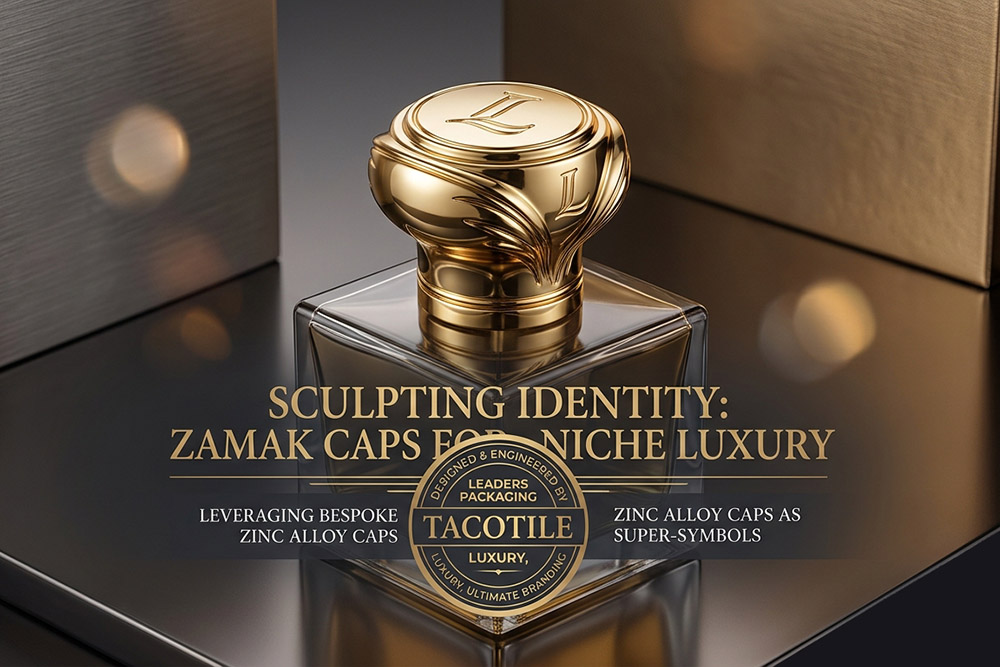
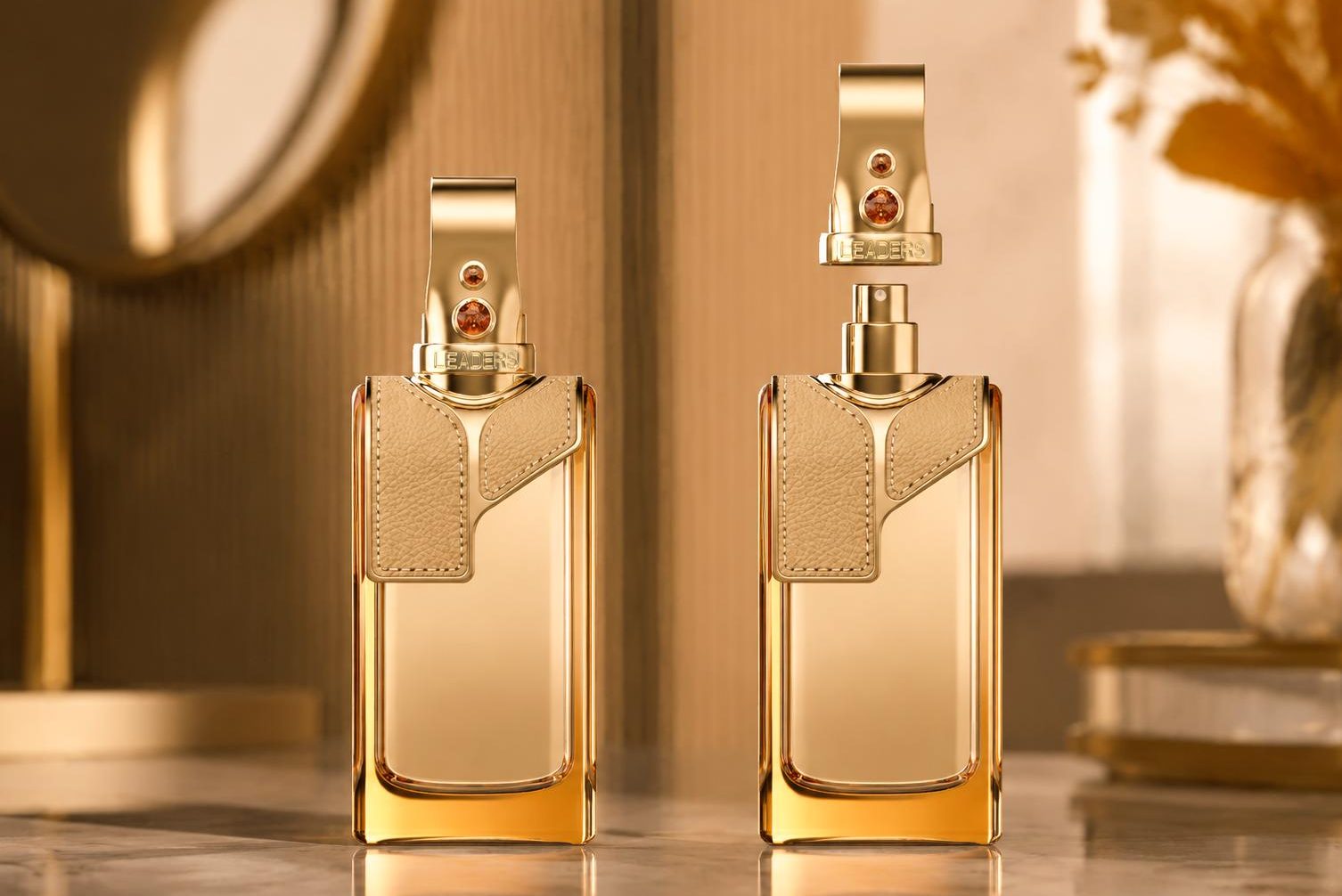
Custom Zamac perfume caps can make a fragrance bottle feel more distinctive by combining sculptural shape, substantial hand feel, controlled surface finishing, and a closure structure that fits the bottle correctly. For luxury fragrance packaging, the cap is often the first component a customer sees and the first one they touch.
Cap development is therefore a design decision as much as a manufacturing decision. The strongest result comes from treating the cap as part of the bottle silhouette, brand language, and opening ritual.

Zamac is an alloy of zinc that can be die cast to make intricate three-dimensional shapes. This allows fragrance labels to play with crisp edges, stacked layers, embossed logos and even flowing curves.
The material also changes the physical conversation between the bottle and the user. A well-balanced metal cap can give a fragrance a more deliberate, substantial character, but it should support the glass bottle and feel natural when handled repeatedly.
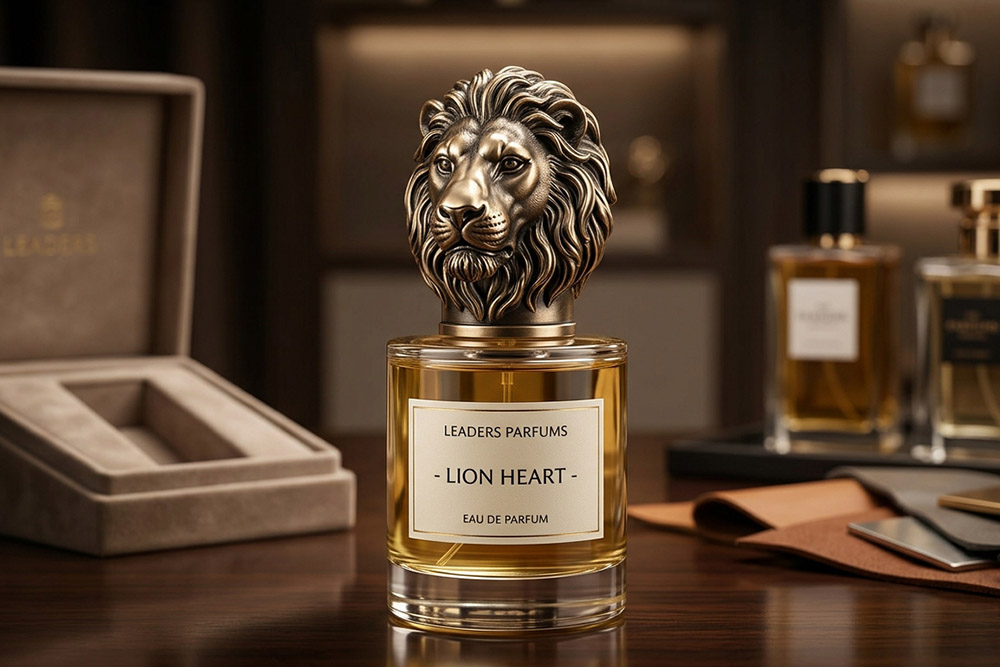
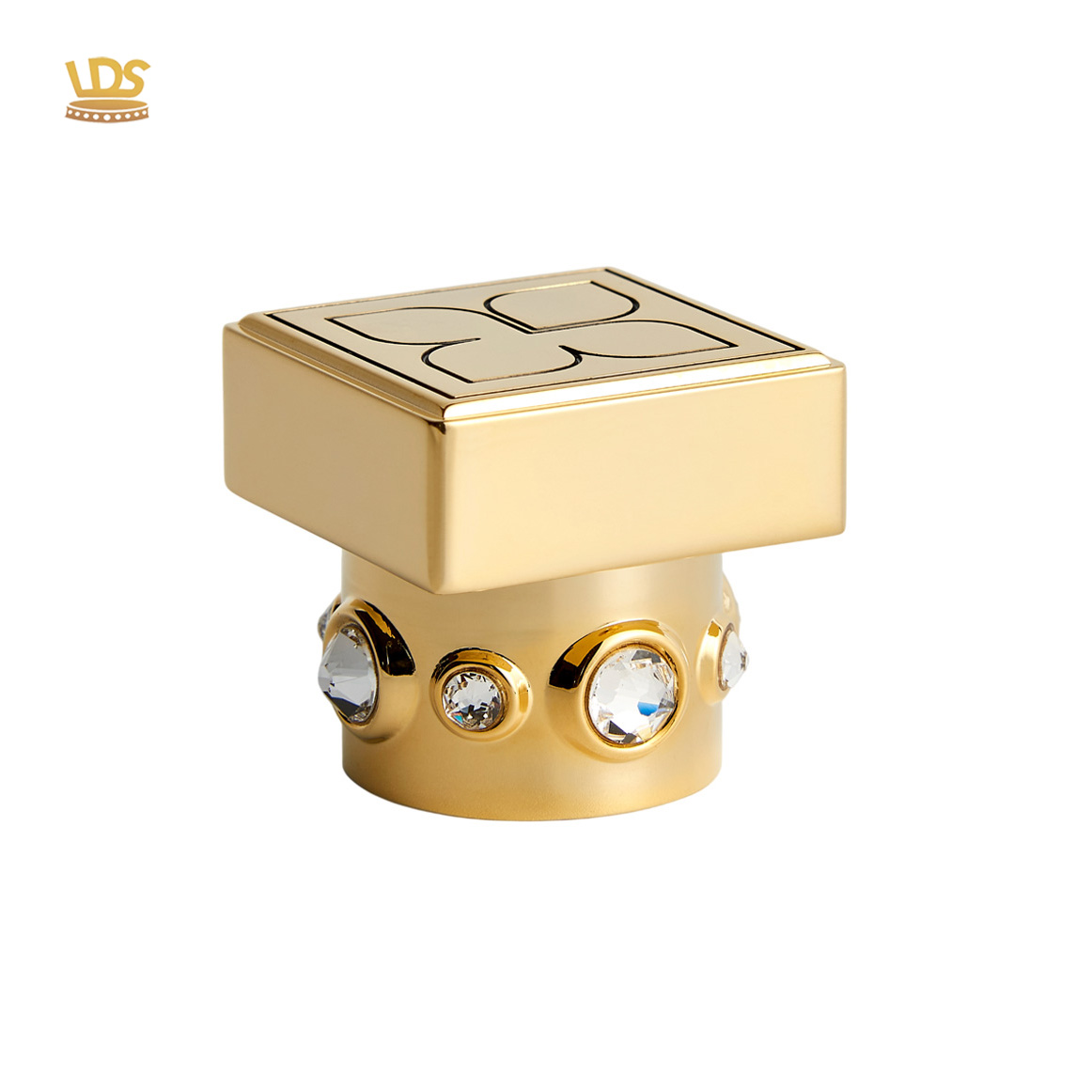
A rectangular cap with controlled planes can suit a clean, architectural fragrance. Soft curves may suggest fluidity, while a sculptural silhouette can help a niche fragrance become recognizable from a distance. A bird-inspired cap can create a distinct visual gesture without relying on a large printed label.
Before mold development, review the cap from the front, side, top, and in the hand. The shape needs enough character to be remembered while leaving the bottle, sprayer, and scent name visible.
Weight influences how a perfume bottle is perceived, especially with a dense metal cap. A substantial hand feel can reinforce a premium position, but an oversized cap may make a slender bottle feel unstable or hide too much glass.
Compare cap weight with bottle capacity, shoulder shape, base width, and sprayer construction. FÜHRUNGSKRÄFTE can be considered when the cap, inner structure, and bottle proportion need to be reviewed as one system.

A beautiful exterior cannot make up for a questionable fit. The bottle neck, collar, spray pump, opening force and internal support all contribute to the finished cap feeling controlled. A metal closure may have an inner plastic part or additional retaining structure.
A sample allows the team to check proportion, grip, alignment, weight, and the relationship between the cap and bottle before final approval. It also shows whether the cap remains comfortable after repeated opening and closing.
The inner cap should be designed around the actual bottle neck rather than a general visual reference. It needs to hold the cap in position without an awkward pull or unstable fit, allowing the outer Zamac form to remain expressive.
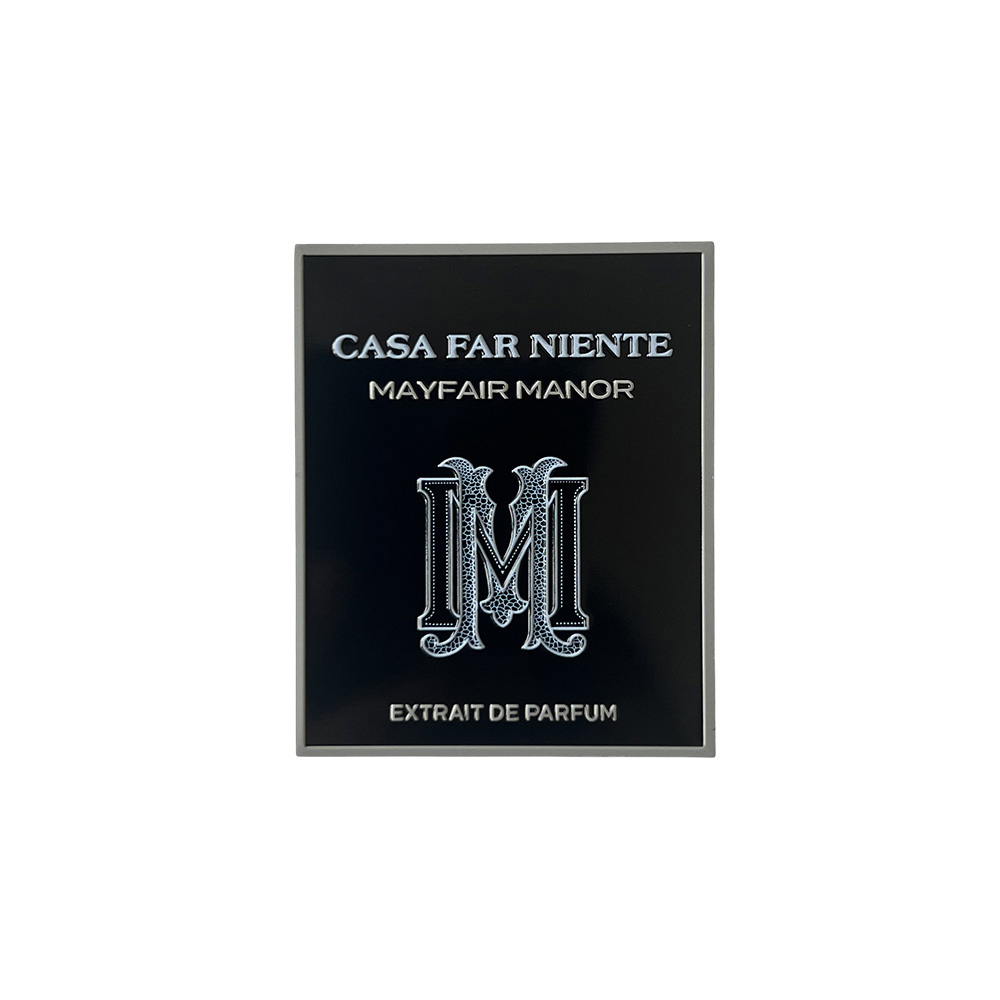
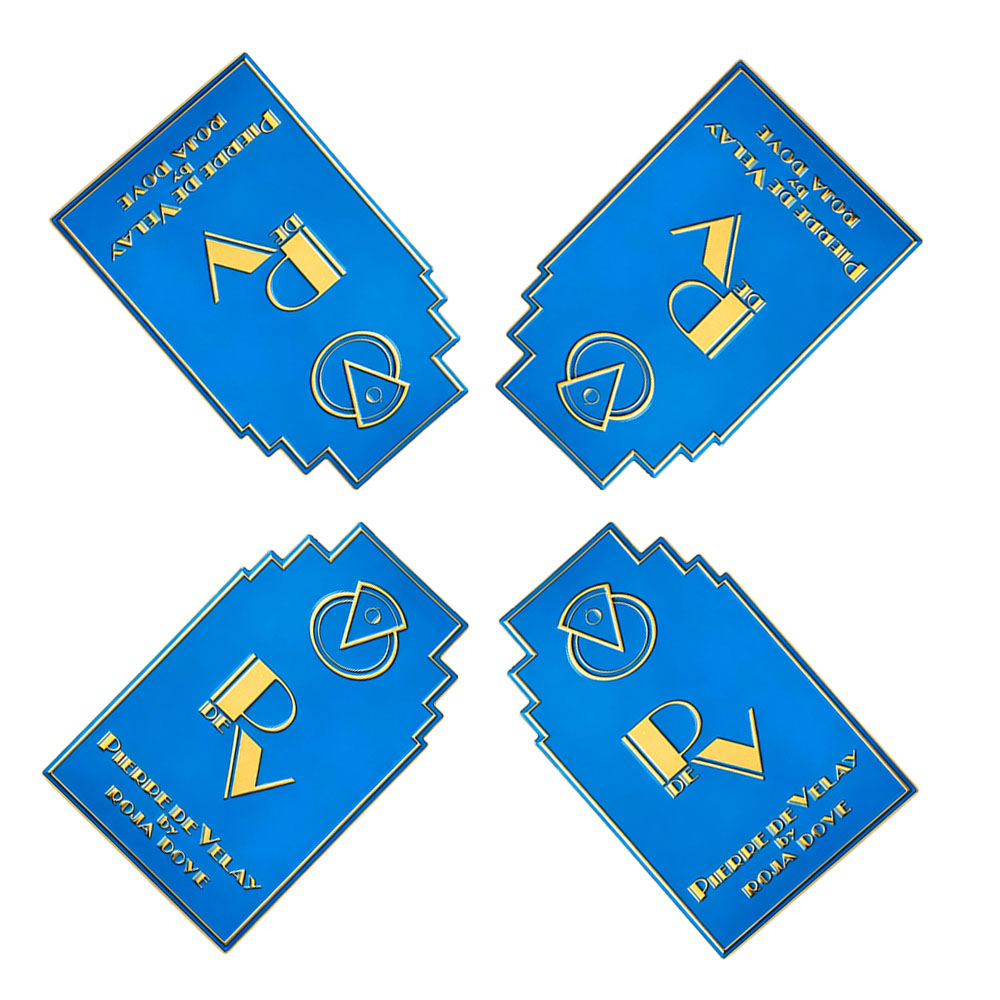
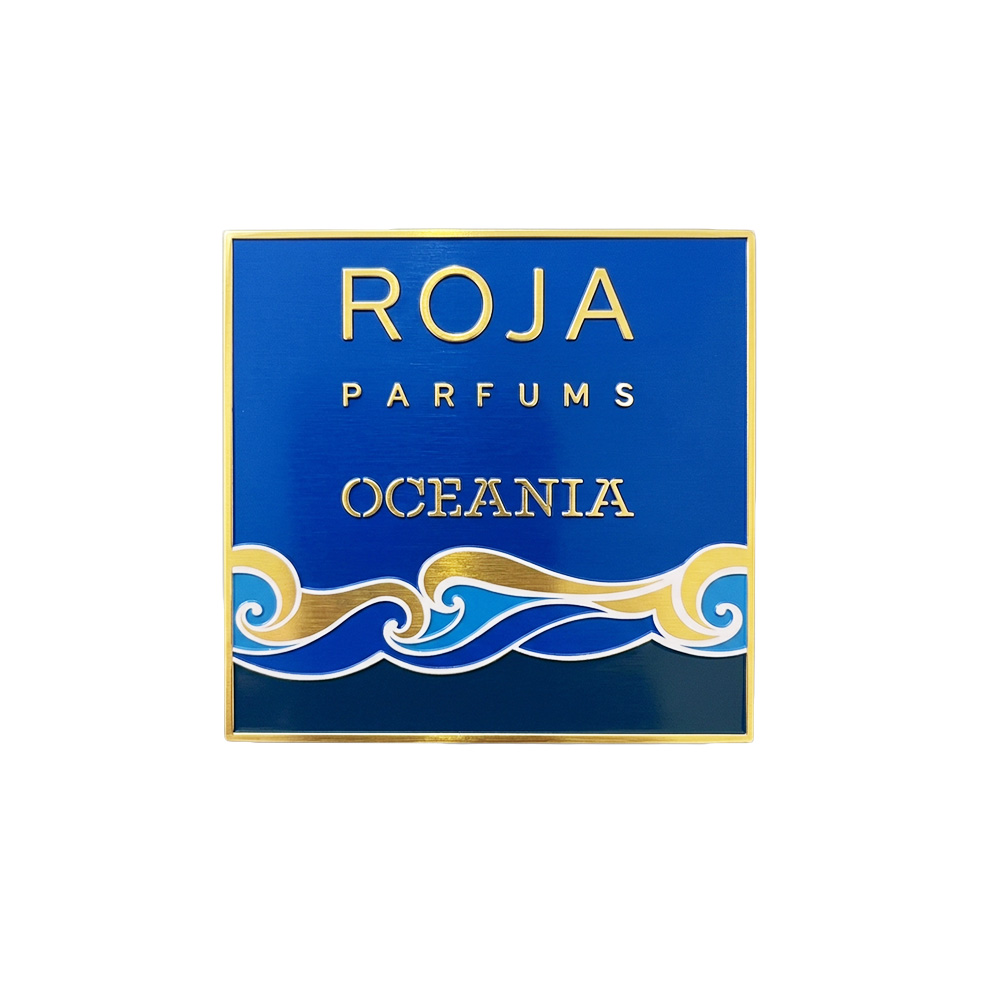
Branding can be pressed, stamped or laser engraved based on the material and finish. An inset mark can be inset into a flat top, a raised emblem can be aligned along a central axis, or a small detail can be placed on the neck without distracting from the bottle label.
Decorative elements should be reviewed with the surface treatment. A polished gold effect, brushed metal direction, or dark painted area can change how a logo catches light. The cap should look intentional in photographs, on a shelf, and in the customer’s hand.
Surface finish gives the same metal form a different emotional direction. Polished plating can feel jewelry-like, while matte or brushed treatment can feel quieter and more contemporary. Vintage effects and painted colors can add depth when the fragrance concept calls for warmth or stronger scent differentiation.
Finish selection should begin with the fragrance position and the materials already present in the package. A bright metallic cap may work with clear glass and a minimal label, while matte black or brushed treatment may suit a darker bottle or a unisex line.
Judge the finish on edges, recesses, corners, and textured areas because these surfaces do not always reflect light in the same way. Physical samples are more useful than an isolated color reference.
A premium fragrance package feels coherent when its visible components share a clear design relationship. Compare the cap with the glass color, bottle shoulder, metal label, spray collar, carton, and photography environment. Repeat enough cues for the fragrance to read as one considered object.
Several scents can share a cap silhouette while using different finishes, colors, or logo treatments to create individual identities across full-size bottles, gift sets, and travel formats.
For a hero bottle, the cap can carry a large share of the brand’s visual signature. A custom zinc alloy structure is useful when the fragrance needs a strong top silhouette or a more collectible presentation. The design should still leave the glass and liquid color visible.
Gift sets benefit from a cap language that is easy to recognize across several items. Shared geometry can create family consistency, while changes in finish or accent color can separate floral, woody, fresh, or evening fragrances.
Creative packaging needs an idea that survives close inspection and quick online viewing. Bird-shaped or wing-like forms can suggest movement, freedom, or nature, but the shape still needs a stable relationship with the bottle and sprayer. Resolved together, concept, fit, and finish can turn the cap into a recognizable brand asset.

LEADERS presents a broader perfume packaging range that includes perfume bottles, Zamac, aluminum, plastic, and wooden caps, plus travel spray cases. This lets brands review the cap alongside the other visible parts of a fragrance collection.
For brands developing a sculptural closure, the zamac perfume cap product range provides a starting point for discussing metal form, surface treatment, logo placement, and bottle coordination.
When the design requires a more distinctive direction, custom luxury perfume cap solutions can be evaluated through design review, mold development, sampling, finishing, assembly, and quality checks.
Custom Zamac perfume caps create value when shape, weight, fit, logo treatment, and surface finish work together. Zamac can support detailed forms and a substantial hand feel, but the best result is always proportionate to the bottle and comfortable in daily use.
For fragrance brands, the cap is an opportunity to make an abstract scent feel physical and memorable.
Explore LEADERS custom Zamac perfume caps when your next bottle needs a stronger connection between brand identity, tactile quality, and luxury fragrance packaging.
A: Zamac is a zinc alloy that can be shaped through die casting into detailed three-dimensional forms. It can support crisp edges, sculptural curves, recessed or raised logo areas, and varied surface treatments. Its substantial hand feel can also strengthen the premium impression of a fragrance bottle when the cap is balanced with the glass.
A: Yes. Custom Zamac perfume caps can be developed around a brand’s desired silhouette, dimensions, logo position, and decorative direction. A prototype should be reviewed before production to confirm the visual proportion, hand feel, inner fit, and relationship between the cap, collar, sprayer, and bottle.
A: Review the cap together with the bottle capacity, shoulder shape, base width, glass color, label, and spray structure. The cap should create enough contrast to be remembered without making the bottle top-heavy or covering the bottle’s main visual features. Finish and logo placement should support the same design language.
A: Check the bottle-neck fit, opening and closing action, weight balance, surface finish, logo clarity, decorative alignment, and packaging protection. Review the physical sample under retail lighting and in the hand, then confirm that the approved standard can be maintained across production and future fragrance variants.













Hinterlasse einen Kommentar