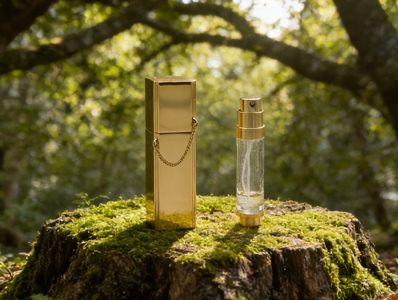
Nullam dignissim, ante scelerisque the is euismod fermentum odio sem semper the is erat, a feugiat leo urna eget eros. Duis Aenean a imperdiet risus.

Contact Us

Sign Up and Never Miss a Deal Again

Our team are committed to providing you quick response with excellent service, competitive pricing, and tailored packaging solutions.
Your Name*

Email*

Tel

WhatsApp

Message*

Latest News

Check out our blog posts

View More
how-to-build-a-perfume-brand

How to Build a Perfume Brand With Designed Perfume Packaging

Building a Perfume Brand Today: Why Packaging Decisions Shape Your Brand’s Identity— LDS Packaging Insights (11+ Years Experience)** The global fragrance industry is evolving faster than ever. Niche labels are rising, indie creators are launching their own lines, and private-label models are giving new brands a path to market in weeks instead of years. Yet through all this rapid growth, one truth remains unchanged: A perfume brand is remembered first by its design, long before anyone experiences the scent. From Paris boutique houses to Los Angeles indie perfumers, packaging is no longer an afterthought. It is the strategic foundation of brand identity, product value, and consumer trust.At LDS Packaging, after 11+ years of manufacturing zamac and aluminum components, we’ve seen how packaging decisions—especially perfume caps, bottles, and travel spray sets—directly influence perception and market success. This article breaks down the modern realities of starting a perfume brand, and how thoughtful packaging design can elevate your business from “another new name” to a brand with presence, authority, and long-term value. 1. The Modern Perfume Market: Opportunity + Noise Today’s fragrance industry is shaped by four forces: 1. Niche & indie growth More consumers prefer personal, story-driven scents over mass-market releases. 2. Lower barrier to entry Contract manufacturing allows even first-time founders to produce quality juice. 3. Packaging differentiation Beautiful packaging wins attention instantly—even in a saturated market. 4. Social media unboxing culture Visual identity is no longer optional; it drives virality and conversion. Cleansery’s industry report notes: “In the early stages, packaging influences purchase decisions more strongly than scent.” This is not surprising. Customers can only smell a fragrance after they buy it or test it physically. But the packaging? That’s visible everywhere—the website, the ad creative, the first Instagram Reel. And this is where most new brands either succeed…or disappear. 2. The First Branding Decision: Choose Your Packaging Direction Before discussing formula or marketing, every founder must answer one question: “What do you want your perfume to feel like?” This determines: materials (zamac, aluminum, glass thickness, insert type) design language (minimal, bold, ornamental, heritage, modern) tactile experience (weight, texture, finishing quality) decoration style (engraving, resin logos, debossing, hot stamping) travel spray options (structure instead of a cap-driven design) Brands that take the time to define this early end up with packaging that supports their identity instead of conflicting with it. For example: A “clean beauty” brand may choose matte aluminum with soft engraving. A luxury Middle Eastern brand may choose heavy zamac with crystal inlays. A designer fashion house may require deep-cut monograms and high-gloss PVD gold. Each choice signals a different emotional message. 3. Why Packaging Matters More Than Ever (Data + Psychology) Consumer behavior research reports: 72% of fragrance buyers judge product quality based on packaging materials.— Packaging Innovations Report 2024 In fragrance, this effect is even stronger because: perfume is a sensory product customers cannot smell through the screen packaging becomes the “top note” of the experience A premium-feeling cap, a well-weighted bottle, or a perfectly aligned logo can instantly raise perceived value—even before the bottle is opened. This is why L’Oréal, Estée Lauder, and niche houses alike invest heavily in tactile design. 4. Travel Sprays: The Fastest-Growing Segment (And Also the Most Misunderstood) ✔ Travel perfume sprays are not based on “caps.”✔ The unit is a set: inner vial + outer shell + actuator + decoration.✔ Many new brands misunderstand their structure. Today, travel sprays are one of the easiest entry products for new brands to launch, because: MOQ is lower (Leaders MOQ 1,000 pieces) tooling is flexible customization options are unlimited consumers love on-the-go formats they sell well as gifts, sampler kits, and bundle upsells But the market quality varies wildly. Most low-tier travel sprays use thin aluminum sleeves and generic components that feel light and disposable. Yet brands that work with proper metal parts and premium finishing often report dramatically higher retail acceptance. This is where packaging becomes an actual business strategy, not just a visual choice. 5. How Packaging Design Directly Impacts Business Results (Real Cases) Case 1 — US Indie Brand Repositions to Premium Tier A California brand launched with basic aluminum sleeves. Sales were flat. After switching to: thicker-wall aluminum laser-engraved logo satin anodized finish improved actuator feel Their average order value rose 18%. Case 2 — European Niche Brand Improves Alcohol Resistance Printed logos dissolved due to repeated alcohol contact. We upgraded them to: epoxy resin logo (3D effect + alcohol resistance) reinforced surface protection color-stable enamel Customer complaints dropped 92%. Case 3 — Middle Eastern House Achieves “Luxury Weight” They wanted a travel spray that “feels like jewelry.” We developed: zamac exterior polished PVD gold deeper tactile grooves Retailers said customers kept the packaging “as a collectible object.” Case 4 — TikTok Creator Brand Goes Viral Through Unboxing The brand’s discovery set used plain caps and generic bottles.We upgraded: aluminum caps 3 anodized colors embossed monogram Their first unboxing video reached 1M+ views, and they sold out the collection twice. 6. The LDS Packaging Advantage: What Actually Matters in Production New brands often focus on aesthetics only. But long-term stability comes from manufacturing fundamentals. We provide: ✔ SMETA 6.1–certified production Ensures international compliance for EU, US, and global retail. ✔ In-house mold development Critical for consistency, alignment, and detail accuracy. ✔ Alcohol-rub, adhesion, drop, and salt-spray tests Guarantees long-term durability and resistance. ✔ Stable MOQ and predictable timelines No surprises, no last-minute changes. ✔ 11+ years specializing in metal fragrance components Zamac, aluminum, PVD plating, resin logos, engraving—end to end. These strengths differentiate “qualified appearance” from “luxury-grade performance.” 7. A Practical Framework for New Perfume Brands Step 1 — Define identity Minimalist, artistic, glamorous, niche luxury? Step 2 — Choose material direction Zamac = luxuryAluminum = modernGlass thickness = premium feel Step 3 — Choose your hero SKU 100ml?Travel spray set?Discovery kit? Step 4 — Develop visual language Logo, finish, weight, shape, color palette. Step 5 — Create sampling Physical samples define reality better than renderings. Step 6 — Prepare for launch Packaging photos, testing, QC video, content assets. Packaging is not a cost—it’s an investment in brand equity. 8. Conclusion: Packaging Builds Memory Memory Builds Brand,Brand Builds Value** In today’s crowded fragrance world, customers forget names quickly—but they remember the bottle, the cap, the weight, the feeling. A perfume is experienced by emotion.Packaging is the first emotion. If you want to create a fragrance brand that stands out, communicates quality, and builds long-term loyalty, your packaging must carry your story with precision and confidence. This is what LDS Packaging helps brands achieve—every day, every batch, every project.
Perfume caps

How to Choose the Right Perfume Cap for Your Brand

There are many choices of perfume caps in the market. According to material classification, there will be metal perfume caps, plastic perfume caps and wooden perfume caps. How to choose the best cap for your perfume? Before choosing, it’s important to know well each material and understand their characteristics. 1. Metal Perfume Cap There are two commonly used material for metal caps-aluminum&zamac (zinc alloy). 1). Aluminum perfume caps Most of the aluminum caps are with existing molds, and the style is relatively simple. Due to the limits of material, it’s not available to be made into a variety of designs. Price of aluminum cap is low, they are more suitable for the fast selling perfumes and market perfumes. 2). Zamac Perfume Cap In recent years, more and more brands, especially Niche Perfume Brands, have chosen to use zamac caps for their perfume bottles. Zamac caps are becoming more and more popular because they can be made with various metallized finishes to make the full bottle look upscale, heavy and cool to the touch. In Europe, major perfume brand has been used or zamac cap instead, zinc ally material is environmentally-friendly, comparing with plastic.But personalized zamac caps don’t come cheap, which is why Luxury or Niche brands use them more. 2. Plastic Perfume Caps Plastic caps contains ABS, Surlyn, acrylic material. 1) ABS cap The ABS material is flexible and can be designed as a special cap, and they can be customized in different decorations with many surface treatments, such as UV coating, metalized, watertransfer printing, etc. ABS cap is not as expensive as zamac caps, it can be a good choice for middle markets and more complex designs. 2) Surlyn cap Surlyn is very popular in the US, many Eau de Toilette Perfume brands like to use Surlyn lid as a bottle cap because it is a kind of special resin, surlyn is highly transparent which looks like the crystal, it’s corrosion resistant, and it can touch perfumes directly. Surlyn can be made into a transparent or matte bottle cap, or any color is available. There are many surlyn caps with existing mold, customized design is acceptable. 3) Acrylic cap The acrylic cap can be made in same color as the surlyn caps, it can be made high transparent, or any color, but acrylic cannot touch perfume directly, tt’s brittle and cracks easily. Acrylic caps were once very popular but now not many brands using it. 3. Wooden Perfume Cap To use original wood as a bottle cap reminds people of nature, earth, forest, environment. Wooden perfume cap is always popular among some brands in Europe. It is particular for classic fragrance with timelasting. It can be made to different shapes and painting with any colors, ancient or modern. General speaking, the choice of perfume cap depends on the positioning of perfume. If your perfume brand is luxurious series, high-end zamac caps is best choice.  If the perfume belongs to the fast selling category of perfume, so plastic caps or aluminum metal caps would be a good option. In addition to the cost, the mission of the brand, the collocation with the bottle, the feasibility of design and production all need to be considered when you choose or design a new perfume cap.
Beautyworld Middle East 2025: Leaders Strengthens Global Partnerships as a Trusted Perfume Cap Manufacturer

Beautyworld Middle East 2025: Leaders Strengthens Global Partnerships as a Trusted Perfume Cap Manufacturer

Leaders at Beautyworld Middle East 2025 Beautyworld Middle East, the leading beauty trade show in the Middle East, brings together numerous industry players from around the globe. Covering all segments of the beauty sector, it serves as a crucial platform for professionals seeking success in this booming market. Connecting with Global Partners Our Leaders team attended the exhibition this week as visitors, focusing on connecting with both new and long-term clients. We engaged in face-to-face discussions on perfume cap projects and followed up with on-site client visits post-show. These interactions not only enhanced trust and rapport between our manufacturing team and partner brands but also led to several successful business collaborations. Witnessing the vigorous development of the global perfume industry firsthand has further boosted our motivation and confidence. About Leaders: Your Reliable Perfume Cap Manufacturer With 11 years of experience as a professional perfume cap manufacturer, our core products include high-end zamac, plastic, and aluminum perfume caps, perfume bottles, metal labels, candle lids and more. Our long-standing partnerships with world-renowned brands have solidified our position in the global market, allowing us to deliver reliable quality and innovative solutions. Exploring New Opportunities in the Middle East The Middle East’s beauty and personal care industry is experiencing unprecedented growth, making it a key hub for business opportunities and innovation. As global connectivity deepens, Beautyworld Middle East continues to evolve into a melting pot for ideas, trends, and collaborations. We look forward to forging more mutually beneficial partnerships and contributing to the perfume industry’s progress in the future. Join Us in Shaping the Future of Perfume Packaging   Leaders will continue building strong relationships with global clients and partners. Explore our perfume cap collection or contact us to discuss your next project.
6 Decoration in Perfume Packaging To Improve Brand Value

Decoration in Perfume Packaging To Improve Brand Value

Fragrance packaging is no longer second fiddle when it comes to product thinking – it heads the bill for branding story, retail impact and sustainability communication. It is smart surface work and perfume packaging decoration that now determines whether your product is “seen,” “remembered,” “bought.” Leaders perfume packaging factory Material expertise and advanced finishing at Leaders At Leaders, we match material know-how with advanced finishing to create metal and plastic parts that satisfy the needs of today’s brands. Below we explain the key decoration techniques that matter in 2026, why they work, and how Leaders as a B2B perfume cap manufacturer turns concepts into reliable production.   Electroplating & Anodizing – premium metal finishes with proven durability Indeed, plating is still the fastest route to luxury finish. High-gloss chrome, soft gold, black nickel – these electroplating effects look premium under retail lights and in pictures. And for parts made in aluminum, anodizing is the preferred method, because it forms a robust oxide layer that is resistant to wear and can be recycled. Recent industry shifts toward low-carbon aluminum also make anodizing more attractive to brands that require both the look they want and a sustainable cred.   On how that map Leaders’ capabilities: we operate automated electroplating lines with process control for thickness, adhesion and environmental discharge. Our anodizing cells provide consistent color and very good wear resistance within worldwide lots for aluminum perfume cap programs. Whether you are specifying a polished chrome OEM zamac cap mold or an aluminum perfume cap mold, our 10 years of demonstrated success in developing hundreds of plastic cap and closure molds for dozens of industry giants is an valuable resource.   Multi-Layer Coating & Spray Finishes – signature color and texture as brand assets Color and texture are storefront memory keys. Multi-layer coating enables designers to create subtle gradients, pearlescent sheens, soft touch velvet coatings and high gloss lacquer in a controlled, repeatable process. These finishes appeal to a sense of luxury and work particularly well with exclusive or seasonal editions that are driven by visual point of difference. Leaders in performance: Our closed circuit spray booths enable complex multi-coat paint recipes and the exact replication of colour to Pantone references. We automate application and manually inspect to keep color tolerances to ±1% on long runs. this means Leaders is perfect as a partner when your marketing calendar requires consistent, photo-ready results across multiple SKUs.   Rhinestone Embellishment – luxury sparkle that survives handling Rhinestone and crystal pavé can take a cap into jewelryland – as long as those stones stay firmly in place through packing, travel and daily wear. Adhesives, base prep or placement tolerances aren’t good enough to land many high-end launches at scale. Our edge: Leaders that can afford to spend invested in auto rhinestone setting and tested adhesives. We do extreme testing – thermal cycling, humidity soak, vibration – to make sure stones don’t loosen. For customers requiring custom gems or unique patterns, our in-house design team creates repeatable placement patterns that can be scaled from small batches to full production.   Embossing & Engraving – tactile identity and “keepability” Embossing and engraving give a long tail (a phenom more formerly known as “keepability”): people keep a bottle as decor or a collectible, ensuring the brand’s continued presence in the home. Whether it’s a deep relief monogram on a perfume cap made of zamac or some micro-engraved copy on the collar, embossing and engraving provide texture and a sense of authenticity. The practical application at Leaders: we marry precision CNC milling to mold tooling to create complex reliefs and re-create subtle artisan marks at scale and production speed. Our embossing engraving perfume lid services include 3D reliefs, handwritten signature replication and micro-text legibility – all validated by tooling trials and sampling prior to mass runs.   Eco-friendly Decoration – beauty that meets modern standards Eco-friendly perfume packaging is no longer an optional argument. Buyers in North America and Europe, in particular, require evidence. Recycled metals, low-VOC finishes, waterborne inks and recyclable mono-material constructions bottom out the list of many of our designs. Leaders’ sustainability approach: we source recycled zamac and low-carbon aluminum, run wastewater treatment for plating and use low-VOC multi-layer coatings where we can. We help our customers by providing them material certs and a record of production so they are able to back up their marketing statements. This makes Leaders a partner for brands that need both premium decoration and credible sustainable perfume packaging.   Production Quality & Testing – decoration that survives real life Decoration must last – through transit, storage and daily use. That is why Leaders embeds quality at every step: mold verification, CNC finishing, adhesion testing, plating thickness checks, and environmental stress testing (thermal cycles, salt spray, humidity). For rhinestones and multi-layer coatings we run drop tests, rub tests and accelerated aging to predict long-term appearance.   For B2B buyers: our status as a B2B perfume cap manufacturer means you get documented QC, batch traceability, and compliance checks suitable for global retail partners.   Case examples & market signals A European niche house relaunched a heritage scent with a zamac perfume cap embossed with a layered patina; sales lift and social shares increased due to the “collectible” feel. A North American brand switched to aluminum perfume cap anodized in a low-carbon alloy for their refillable travel line, and cited packaging sustainability in their CSR report. Limited editions using rhinestone perfume cap pavé generate press attention and higher ASP (average selling price) for holiday campaigns. These examples show how decoration choices directly influence retail performance and brand positioning.   How to Start – practical steps for a packaging program Concept to feasibility: send sketches or moodboards; we run a tooling and finish feasibility review. Sampling: small-run prototypes with full finishing to check color, texture and adhesion. Validation: performance testing (drop, adhesion, humidity, plating thickness). Scale: pilot production then full batch with documented QC. Sustainability dossier: material certificates and process reports for brand claims. Leaders supports every step and provides realistic lead times, MOQ options, and full technical paperwork to speed market entry. Decoration as strategic advantage Perfume packaging decoration is a decisive part of brand equity. By blending technical finishing, sustainable sourcing and rigorous testing, Leaders perfume packaging factory helps brands convert visual and tactile design into commercial success. As a trusted B2B perfume cap manufacturer, we offer the capabilities and evidence clients need to take ambitious designs to market with confidence.   Ready to test a new finish or prototype a decorated cap?    Contact us today to get free samples or request a custom cap design proposal, or a production plan, sample schedule, and sustainability data to support your launch. Let your packaging do the talking-and the selling.    info@lds-perfumecap.com  +8613760662442
2026 Middle East Perfume Packaging Trends

2026 Middle East Perfume Packaging Trends

What Middle Eastern Perfume Brands & Perfume Packaging Supplier Must Prepare For?IntroductionThe Middle East has long been recognized as one of the world’s most influential fragrance markets. Perfume is deeply rooted in the region’s culture, history, and lifestyle, making it not just a luxury but a daily necessity. As we approach 2026, the Middle Eastern perfume packaging industry is undergoing transformative shifts driven by consumer preferences, technological innovation, sustainability pressures, and brand differentiation strategies.For global perfume brands, packaging manufacturers, and component suppliers, understanding these changes is not optional-it is essential for long-term competitiveness. This article provides a comprehensive analysis of the key trends shaping the Middle East perfume packaging market in 2026, focusing on design, materials, cultural preferences, and supply chain opportunities.  1. Cultural Identity and Luxury Remain the Core Drivers Unlike many Western markets where minimalism and light fragrances dominate, Middle Eastern consumers prefer bold, long-lasting perfumes often with high concentrations of oils. Packaging reflects this cultural identity: Heavyweight Caps and Bottles – Customers equate weight with value, making metal caps, zamac components, and thick-walled glass bottles highly desirable. Ornamentation and Craftsmanship – Intricate embossing, engraving, and decorative plating are not seen as “extra”-they are expected. Arabic Calligraphy Integration – Brands increasingly adopt packaging designs that incorporate regional scripts, motifs, and cultural symbols. For suppliers, this means offering premium materials and customization capabilities is no longer optional. By 2026, even mid-tier perfume brands will invest in packaging that carries a “luxury DNA.”   2. Rise of Personalization and Limited Editions   The affluent Middle Eastern consumer base is not satisfied with mass-market packaging. By 2026, demand for personalized and limited-edition perfume collections will grow sharply, fueled by gifting culture and exclusivity-driven purchases. Customizable Caps – Metal caps with engraving of initials, logos, or family emblems. Small-Batch Decorative Packaging – Limited runs using zamac, enamel, or gemstone inlays. Luxury Gift Boxes – Packaging is no longer just for protection but an integral part of the fragrance experience. For packaging suppliers, the opportunity lies in developing flexible production systems that support short-run, high-value orders without compromising quality.   3. Sustainability: The New Standard for High-End Packaging While the Middle East is traditionally associated with opulence, 2026 will mark a turning point in the region’s embrace of sustainable perfume packaging. Driven by global regulations, luxury brands cannot ignore eco-friendly practices: Recyclable Metals – Zamac and aluminum remain preferred materials, but brands will demand optimized alloys that balance weight with recyclability. Refillable Perfume Systems – Consumers increasingly expect luxury perfumes to offer refill options, reducing environmental waste. Sustainable Printing and Coating – Water-based inks, low-VOC lacquers, and plastic-free labels are becoming mandatory for global compliance. For packaging manufacturers, highlighting green innovation without compromising luxury appeal will be a competitive edge.   4. Digital Integration in Packaging By 2026, smart packaging will see wider adoption in the Middle East perfume sector, particularly among premium brands targeting young, tech-savvy consumers. NFC-Enabled Caps or Labels – Allowing customers to scan their packaging for product authenticity and brand storytelling. Augmented Reality (AR) Experiences – Consumers can interact with the packaging to explore the perfume’s history, ingredients, or brand heritage. Blockchain Traceability – Ensuring authenticity in a market where counterfeit luxury perfumes remain a major challenge. Suppliers capable of integrating electronics with luxury aesthetics will become preferred partners for high-end brands.   5. Shifting Supply Chain Dynamics Global supply chain disruptions between 2020–2024 taught brands a valuable lesson: reliance on single-source suppliers is risky. By 2026, Middle Eastern perfume brands will diversify their sourcing strategies. Regional Manufacturing Growth – Countries like the UAE and Saudi Arabia are investing in local manufacturing hubs to reduce reliance on Europe and Asia. Hybrid Supply Models – Brands will combine global sourcing for unique components (e.g., zamac caps) with regional suppliers for packaging assembly. Speed to Market – Shorter product cycles mean suppliers must offer both flexibility and rapid prototyping. This shift creates opportunities for international suppliers who can establish partnerships or joint ventures with Middle Eastern distributors.     6. Key Challenges for Global Suppliers While the Middle Eastern perfume packaging market is full of opportunities, global suppliers must address critical pain points to succeed: High Customization Costs – Luxury-driven designs often demand expensive tooling and production adjustments. Regulatory Compliance – GCC standards for packaging materials, labeling, and recyclability will become stricter. Cultural Sensitivity – Missteps in design (e.g., inappropriate motifs, poor Arabic typography) can lead to product rejection. Counterfeit Risks – Suppliers must integrate anti-counterfeiting technologies into packaging to protect brand reputation.   7. Opportunities for B2B Collaboration For packaging suppliers, the growth of the Middle Eastern perfume sector represents a chance to build long-term partnerships. Opportunities include: Supplying metal perfume caps with luxury finishes such as electroplating, anodizing, and enamel coating. Offering OEM & ODM design services tailored to Middle Eastern aesthetics. Providing sustainable alternatives like recycled zamac or refillable bottle systems. Supporting digital innovation through NFC tags, AR labels, and track-and-trace solutions. By addressing these pain points, suppliers can position themselves as strategic partners rather than just product vendors.   As we move into 2026, the Middle East perfume packaging market will continue to blend cultural tradition, luxury, and modern innovation. For global suppliers, success depends on the ability to: Deliver luxury-driven, culturally relevant packaging designs. Support personalization and exclusivity trends. Embrace sustainability without compromising aesthetics. Innovate with digital packaging solutions. Adapt supply chains for speed, flexibility, and compliance.   8. How Leaders’ Metal Perfume Caps Can Grow Your Fragrance Business? At Leaders, we specialize in providing premium metal perfume caps that meet the growing demand for high-quality, customizable packaging solutions. Our offerings include: Zamac and Aluminum Caps: Available in a variety of finishes such as polished chrome, brushed gold, and matte black, etc. Customization: We offer engraving and embossing options to personalize your stoppers, as well as PVD coating for vibrant, high-end looks. Eco-Friendly Options: Choose from recyclable metal materials and sustainable production practices that help reduce your brand’s environmental footprint. Fast Turnaround: Whether you need small-batch runs or large-scale orders, our flexible production capacity ensures quick delivery without compromising quality.    Contact us today to get free samples or request a custom cap design proposal. Let your packaging do the talking-and the selling.    info@lds-perfumecap.com  +8613760662442
Latin America's Perfume Industry Trends in 2026

Latin America’s Perfume Industry Trends in 2026

2026 Latin America’s Perfume Industry – Trends, Shifts, and Opportunities Introduction The Latin American perfume market is entering a dynamic phase in 2026, driven by rising consumer purchasing power, growing online retail channels, and a shift toward premium and niche fragrances. Countries like Mexico, Colombia, Brazil, and Chile are not only increasing domestic consumption but also expanding export activities to Europe, the Middle East, and North America. For perfume brands and packaging suppliers, understanding the upcoming changes in product design, sustainability standards, and consumer preferences will be critical for market success.   1. Introduction: Latin America’s Perfume Market Enters a New Era The Latin American perfume industry is evolving at a remarkable pace. With a unique blend of cultural heritage, rising middle-class spending, and increasing global brand exposure, the region is set to experience a wave of growth in both domestic and international fragrance consumption. As we approach 2026, several factors are shaping the future: the rise of niche perfume brands, growing demand for sustainable packaging, and the blending of local scents with global luxury standards. For perfume packaging suppliers-especially those specializing in premium perfume caps, perfume labels, and complete decorative solutions-this transformation brings both opportunities and competition.   2. Current Market Landscape in Latin America Latin America’s perfume industry is among the fastest-growing globally, with Brazil, Mexico, and Colombia leading in production and consumption. According to market estimates: Brazil remains the largest perfume market in the world by volume, with a strong culture of daily fragrance use. Mexico is showing robust demand for mid-to-high-end perfumes, driven by younger consumers who view fragrances as a personal identity marker. Colombia is becoming a hub for artisanal and niche perfumes, with small-batch productions gaining popularity. The market in 2025 is valued at over USD 12 billion, and is projected to grow steadily at a CAGR of 4–5% until 2028.   3. 2026 Key Trends Shaping the Latin American Perfume Industry   3.1 Premiumization and Affordable Luxury Latin American consumers are increasingly willing to pay more for quality over quantity. This shift favors perfume brands that invest in high-end packaging-luxury glass bottles, Zamac caps, and intricate embossing-to convey exclusivity. 💡 Supplier Opportunity: Brands will need distinctive perfume caps that balance luxury feel and cost-efficiency. For example, Zamac caps with custom plating (gold, rose gold, matte black) are increasingly favored.   3.2 Rise of Niche and Artisanal Fragrances Local scents inspired by Amazonian botanicals, Andean flowers, and tropical fruits are becoming signature elements in Latin American niche perfumes. These brands often seek smaller production runs but demand high-quality, customizable packaging to compete with global names. 💡 Supplier Opportunity: Offering low-MOQ yet premium packaging solutions-such as engraved aluminum caps, eco-friendly wooden caps, or biodegradable resin finishes-will appeal to these artisanal creators.   3.3 Sustainability Becomes Mainstream Eco-conscious consumers are pushing brands to adopt sustainable materials and production practices. This includes: Recyclable materials (aluminum, glass, PETG) Biodegradable alternatives for caps and labels Refillable packaging systems 💡 Supplier Opportunity: By developing caps using recycled Zamac alloys or certified wood, suppliers can position themselves as leaders in sustainable luxury.   3.4 Digital-First Marketing and Social Commerce Platforms like Instagram, TikTok, and Facebook are now key drivers for perfume sales in Latin America. Influencer partnerships and user-generated content are influencing buying decisions more than traditional advertising. 💡 Supplier Opportunity: Brands increasingly request creative perfume packaging that stands out in online content-meaning high-contrast textures, reflective finishes, and bold shapes for perfume caps.   4. Market Challenges and How Brands Can Adapt   4.1 Currency Fluctuations and Import Costs Volatile currencies in Latin America can impact import prices for luxury packaging components. Solution: Suppliers should offer local warehousing or partial in-region production to reduce freight and customs costs.   4.2 Counterfeit Products The rise in counterfeit perfumes erodes brand value. Solution: Integrating anti-counterfeit technology into packaging, such as laser-engraved serial codes on perfume caps, can help protect authenticity.   4.3 Diverse Consumer Preferences Perfume taste varies widely between countries. For example: Brazil: preference for fresh, floral, and citrus notes. Mexico: leaning towards bold, spicy, and woody fragrances. Colombia: openness to experimental blends. Solution: Packaging designs should reflect cultural nuances while maintaining brand consistency.   5. Forecast: 2026 and Beyond By 2026, the Latin American perfume market will be more premium, personalized, and sustainable than ever before. We expect: Increased collaboration between local niche brands and international suppliers. A surge in eco-friendly packaging demand. Higher adoption of customized perfume caps as a branding tool. Brands that can merge Latin American cultural identity with world-class packaging design will win consumer loyalty.   6. How Our Perfume Cap Solutions Fit the 2026 Trends At Leaders Factory, we specialize in high-quality perfume caps that meet the evolving needs of the Latin American market: Material Diversity: Zamac, aluminum, wood, ABS, and biodegradable resins. Finishing Excellence: Electroplating, PVD coating, anodizing, engraving, and inlay techniques. Sustainability Focus: Recycled metals, certified wood, and eco-friendly coatings. Customization: From low-MOQ niche orders to large-scale luxury runs, we tailor solutions to your brand vision. Our designs are not just functional-they tell your brand story through touch, weight, and visual presence.   7. Time to Upgrade Your Product Plans The Latin American perfume market in 2026 will be vibrant, competitive, and innovation-driven. Packaging-especially perfume caps-will play a decisive role in influencing purchasing decisions, whether for mass-market or niche brands. For B2B buyers, the next two years present the perfect window to upgrade packaging strategies, ensuring products align with premiumization, sustainability, and cultural relevance. With the right partner, your brand can not only adapt to these shifts but lead the market transformation.   Contact us to get free packaging concept consultation & samples for your market!   info@lds-perfumecap.com   +86 137 6066 2442
Home
WhatsApp
Email
Contacts