
Nullam dignissim, ante scelerisque the is euismod fermentum odio sem semper the is erat, a feugiat leo urna eget eros. Duis Aenean a imperdiet risus.
Nullam dignissim, ante scelerisque the is euismod fermentum odio sem semper the is erat, a feugiat leo urna eget eros. Duis Aenean a imperdiet risus.
 Leaders Content Team
Building a Perfume Brand Today: Why Packaging Decisions Shape Your Brand’s Identity
— LDS Packaging Insights (11+ Years Experience)**
The global fragrance industry is evolving faster than ever. Niche labels are rising, indie creators are launching their own lines, and private-label models are giving new brands a path to market in weeks instead of years. Yet through all this rapid growth, one truth remains unchanged:
A perfume brand is remembered first by its design, long before anyone experiences the scent.
From Paris boutique houses to Los Angeles indie perfumers, packaging is no longer an afterthought. It is the strategic foundation of brand identity, product value, and consumer trust.
At LDS Packaging, after 11+ years of manufacturing zamac and aluminum components, we’ve seen how packaging decisions—especially perfume caps, bottles, and travel spray sets—directly influence perception and market success.
This article breaks down the modern realities of starting a perfume brand, and how thoughtful packaging design can elevate your business from “another new name” to a brand with presence, authority, and long-term value.
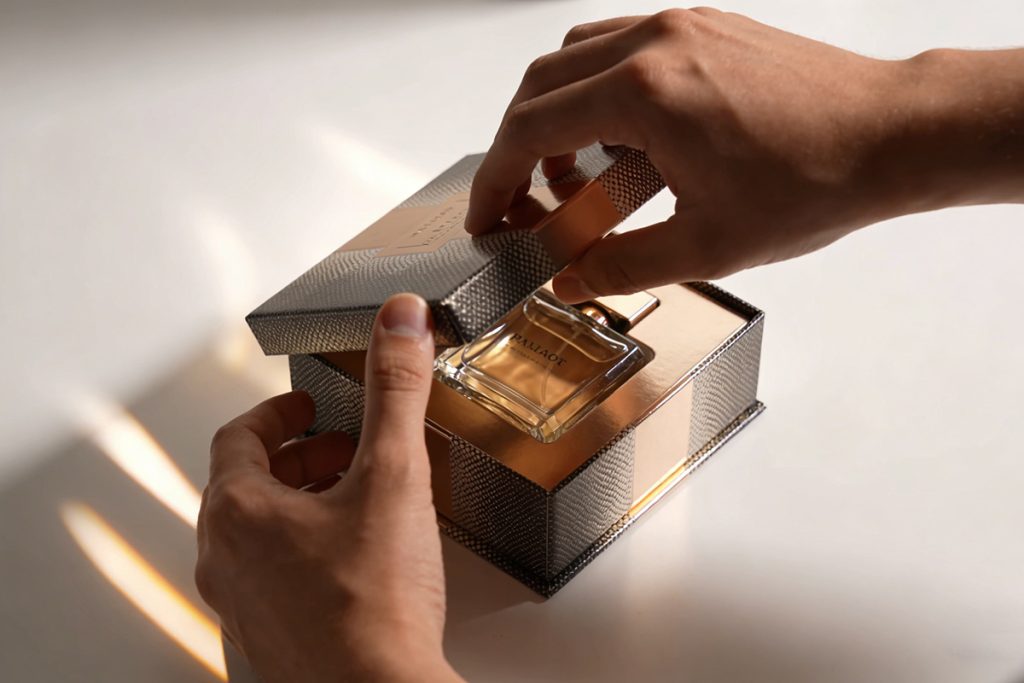
Today’s fragrance industry is shaped by four forces:
1. Niche & indie growth
More consumers prefer personal, story-driven scents over mass-market releases.
2. Lower barrier to entry
Contract manufacturing allows even first-time founders to produce quality juice.
3. Packaging differentiation
Beautiful packaging wins attention instantly—even in a saturated market.
4. Social media unboxing culture
Visual identity is no longer optional; it drives virality and conversion.
Cleansery’s industry report notes:
“In the early stages, packaging influences purchase decisions more strongly than scent.”
This is not surprising. Customers can only smell a fragrance after they buy it or test it physically. But the packaging? That’s visible everywhere—the website, the ad creative, the first Instagram Reel.
And this is where most new brands either succeed…or disappear.
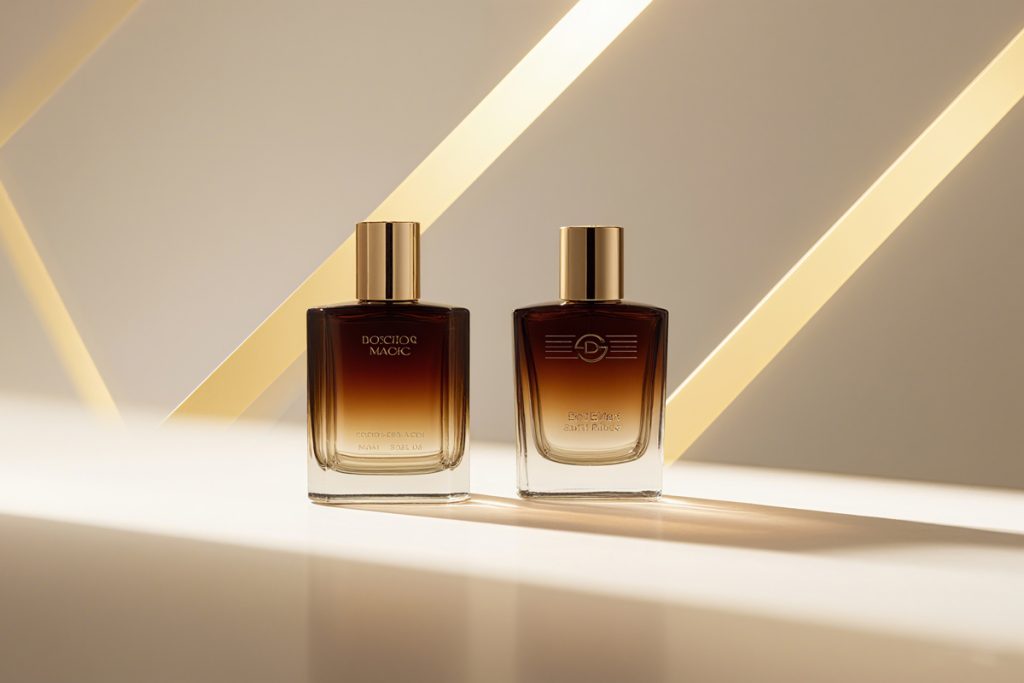
Before discussing formula or marketing, every founder must answer one question:
“What do you want your perfume to feel like?”
This determines:
materials (zamac, aluminum, glass thickness, insert type)
design language (minimal, bold, ornamental, heritage, modern)
tactile experience (weight, texture, finishing quality)
decoration style (engraving, resin logos, debossing, hot stamping)
travel spray options (structure instead of a cap-driven design)
Brands that take the time to define this early end up with packaging that supports their identity instead of conflicting with it.
For example:
A “clean beauty” brand may choose matte aluminum with soft engraving.
A luxury Middle Eastern brand may choose heavy zamac with crystal inlays.
A designer fashion house may require deep-cut monograms and high-gloss PVD gold.
Each choice signals a different emotional message.
Consumer behavior research reports:
72% of fragrance buyers judge product quality based on packaging materials.
— Packaging Innovations Report 2024
In fragrance, this effect is even stronger because:
perfume is a sensory product
customers cannot smell through the screen
packaging becomes the “top note” of the experience
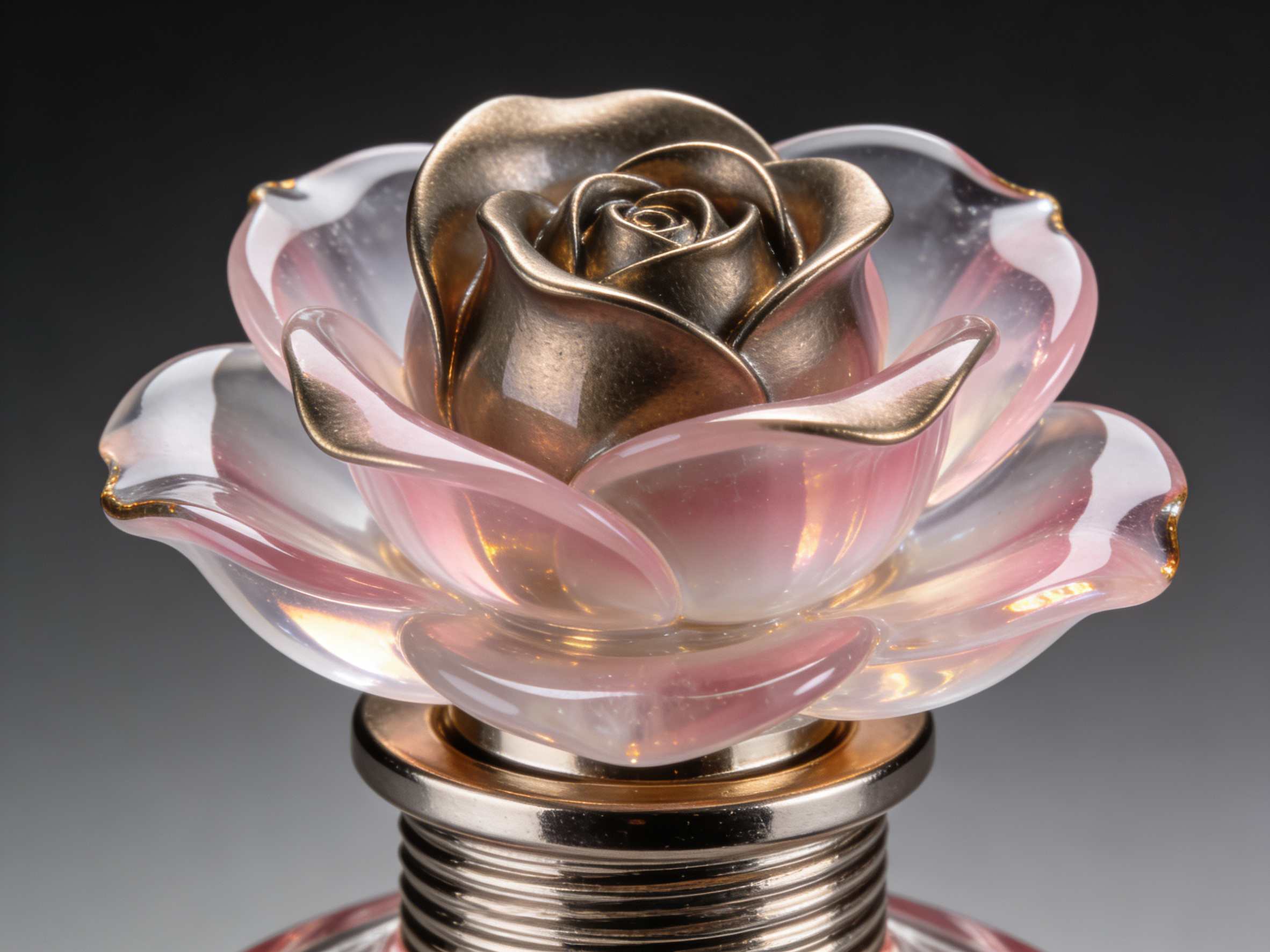
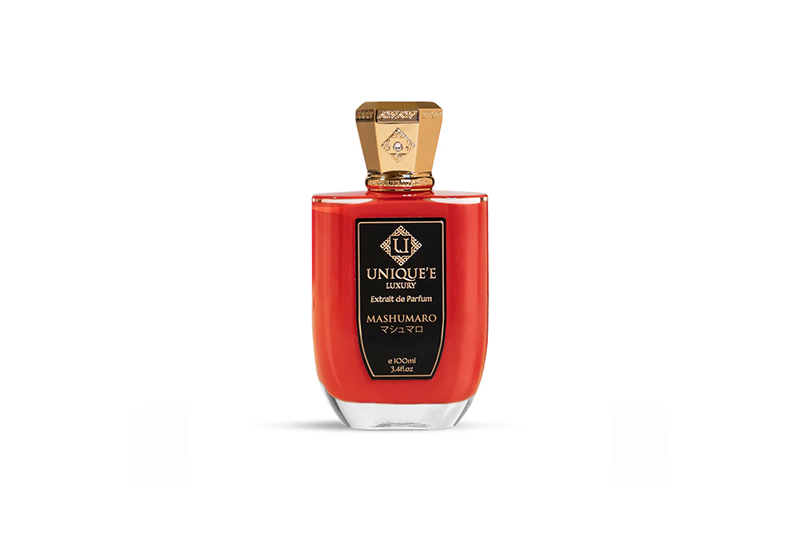
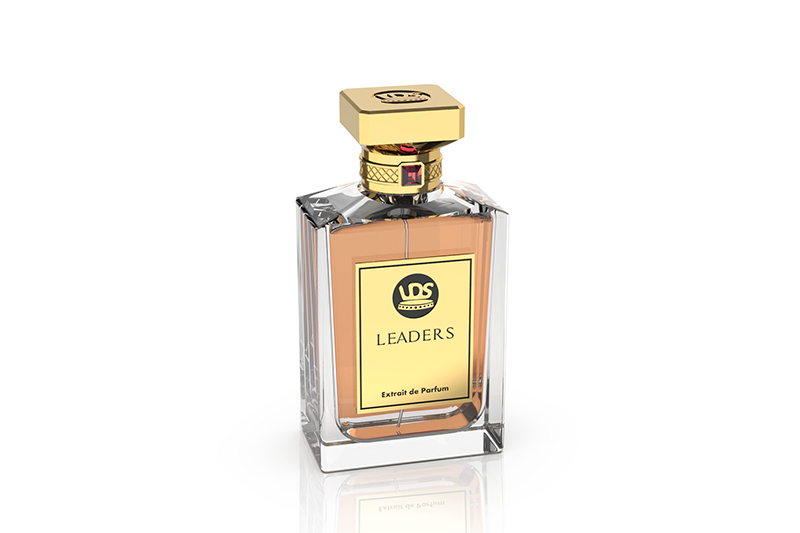
A premium-feeling cap, a well-weighted bottle, or a perfectly aligned logo can instantly raise perceived value—even before the bottle is opened.
This is why L’Oréal, Estée Lauder, and niche houses alike invest heavily in tactile design.
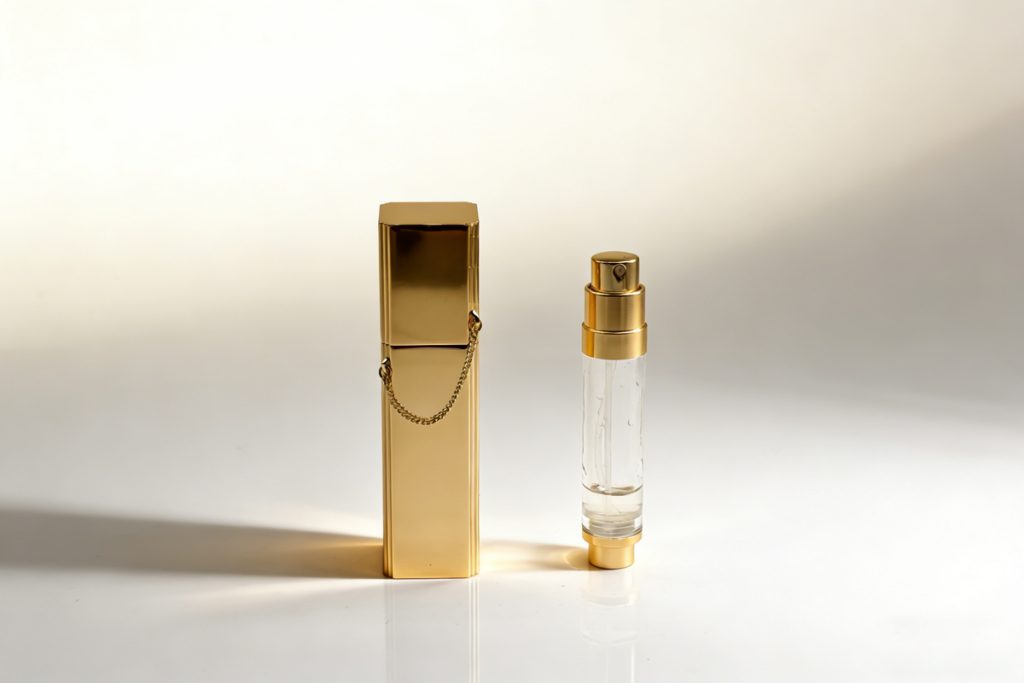
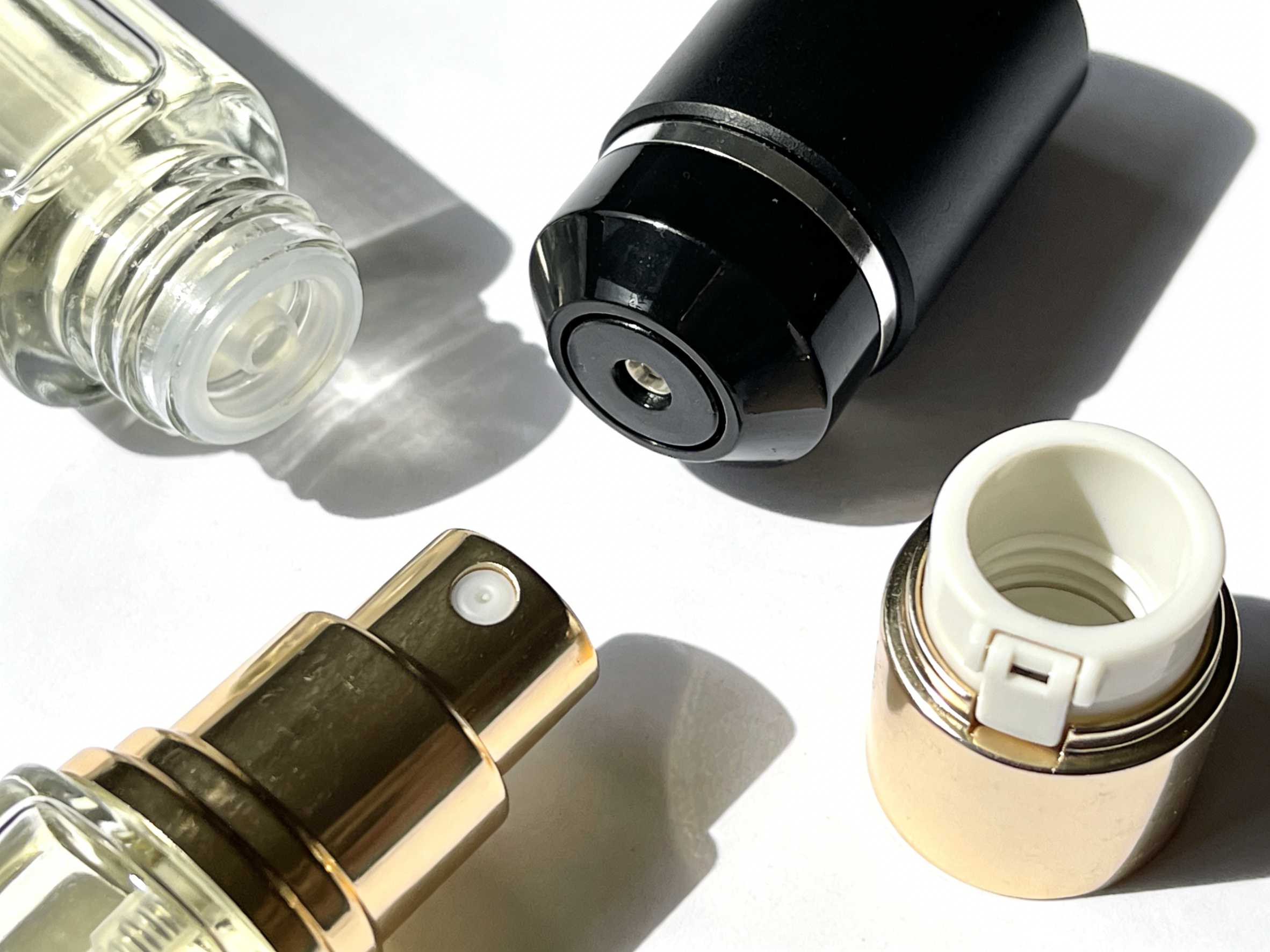
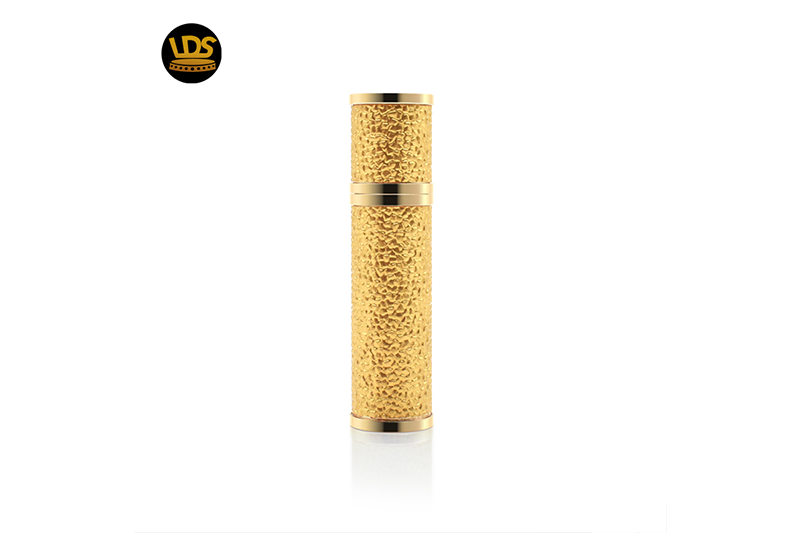
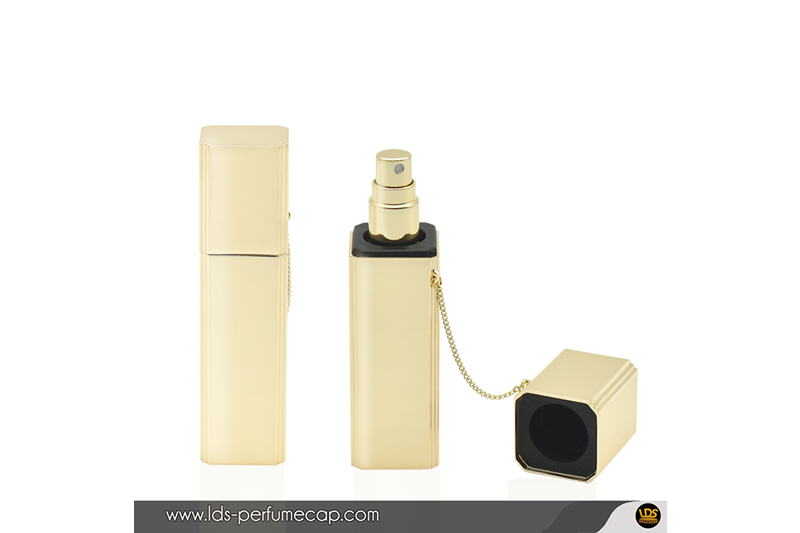
✔ Travel perfume sprays are not based on “caps.”
✔ The unit is a set: inner vial + outer shell + actuator + decoration.
✔ Many new brands misunderstand their structure.
Today, travel sprays are one of the easiest entry products for new brands to launch, because:
MOQ is lower (Leaders MOQ 1,000 pieces)
tooling is flexible
customization options are unlimited
consumers love on-the-go formats
they sell well as gifts, sampler kits, and bundle upsells
But the market quality varies wildly.
Most low-tier travel sprays use thin aluminum sleeves and generic components that feel light and disposable. Yet brands that work with proper metal parts and premium finishing often report dramatically higher retail acceptance.
This is where packaging becomes an actual business strategy, not just a visual choice.
A California brand launched with basic aluminum sleeves. Sales were flat.
After switching to:
thicker-wall aluminum
laser-engraved logo
satin anodized finish
improved actuator feel
Their average order value rose 18%.
Printed logos dissolved due to repeated alcohol contact.
We upgraded them to:
epoxy resin logo (3D effect + alcohol resistance)
reinforced surface protection
color-stable enamel
Customer complaints dropped 92%.
They wanted a travel spray that “feels like jewelry.”
We developed:
zamac exterior
polished PVD gold
deeper tactile grooves
Retailers said customers kept the packaging “as a collectible object.”
The brand’s discovery set used plain caps and generic bottles.
We upgraded:
aluminum caps
3 anodized colors
embossed monogram
Their first unboxing video reached 1M+ views, and they sold out the collection twice.
New brands often focus on aesthetics only. But long-term stability comes from manufacturing fundamentals.
Ensures international compliance for EU, US, and global retail.
Critical for consistency, alignment, and detail accuracy.
Guarantees long-term durability and resistance.
No surprises, no last-minute changes.
Zamac, aluminum, PVD plating, resin logos, engraving—end to end.
These strengths differentiate “qualified appearance” from “luxury-grade performance.”
Minimalist, artistic, glamorous, niche luxury?
Zamac = luxury
Aluminum = modern
Glass thickness = premium feel
100ml?
Travel spray set?
Discovery kit?
Logo, finish, weight, shape, color palette.
Physical samples define reality better than renderings.
Packaging photos, testing, QC video, content assets.
Packaging is not a cost—it’s an investment in brand equity.
Memory Builds Brand,
Brand Builds Value**
In today’s crowded fragrance world, customers forget names quickly—but they remember the bottle, the cap, the weight, the feeling.
A perfume is experienced by emotion.
Packaging is the first emotion.
If you want to create a fragrance brand that stands out, communicates quality, and builds long-term loyalty, your packaging must carry your story with precision and confidence.
This is what LDS Packaging helps brands achieve—every day, every batch, every project.












Leave a comments